What is the best fat loss program for beginners?
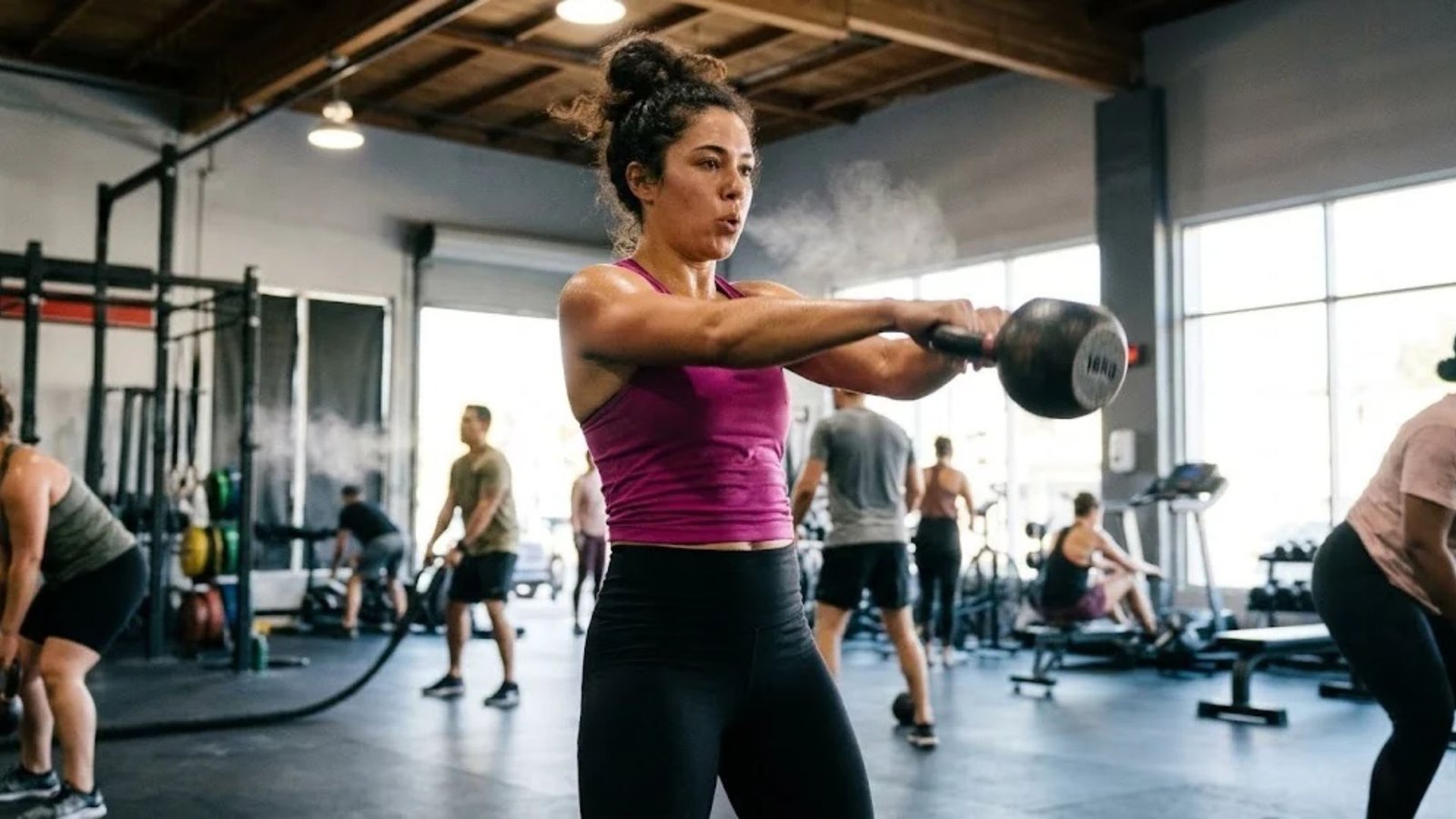
Losing body fat can feel overwhelming when you’re just starting your fitness journey. With so many workout routines, diets, and fitness trends available, it’s difficult to know which approach will actually work. The best fat loss program for beginners doesn’t require extreme workouts or restrictive eating. It combines manageable exercise, balanced nutrition, and consistent habits that you can maintain over time.
If you’re new to exercise, the goal should be to build a routine that improves your fitness while helping you gradually reduce body fat. A combination of strength training, cardiovascular exercise, and healthy eating can help you make progress without pushing your body beyond its current abilities.
Let’s look at what an effective beginner fat loss program should include and how you can get started.
What Is the Best Fat Loss Program for Beginners?
The best fat loss program for beginners combines three or four weekly workout sessions, full-body strength training, moderate cardio, and a balanced eating plan that supports a manageable calorie deficit.
This approach helps you burn calories, preserve muscle, improve endurance, and develop a consistent exercise routine. Rather than focusing on quick results, beginners should prioritize proper technique, gradual progress, and recovery.
A good program should also fit your current fitness level. If you haven’t exercised regularly, starting with shorter sessions and lighter resistance is often more effective than immediately following an advanced workout plan.
5 Essential Parts of a Beginner Fat Loss Program
1. Start With Full-Body Strength Training
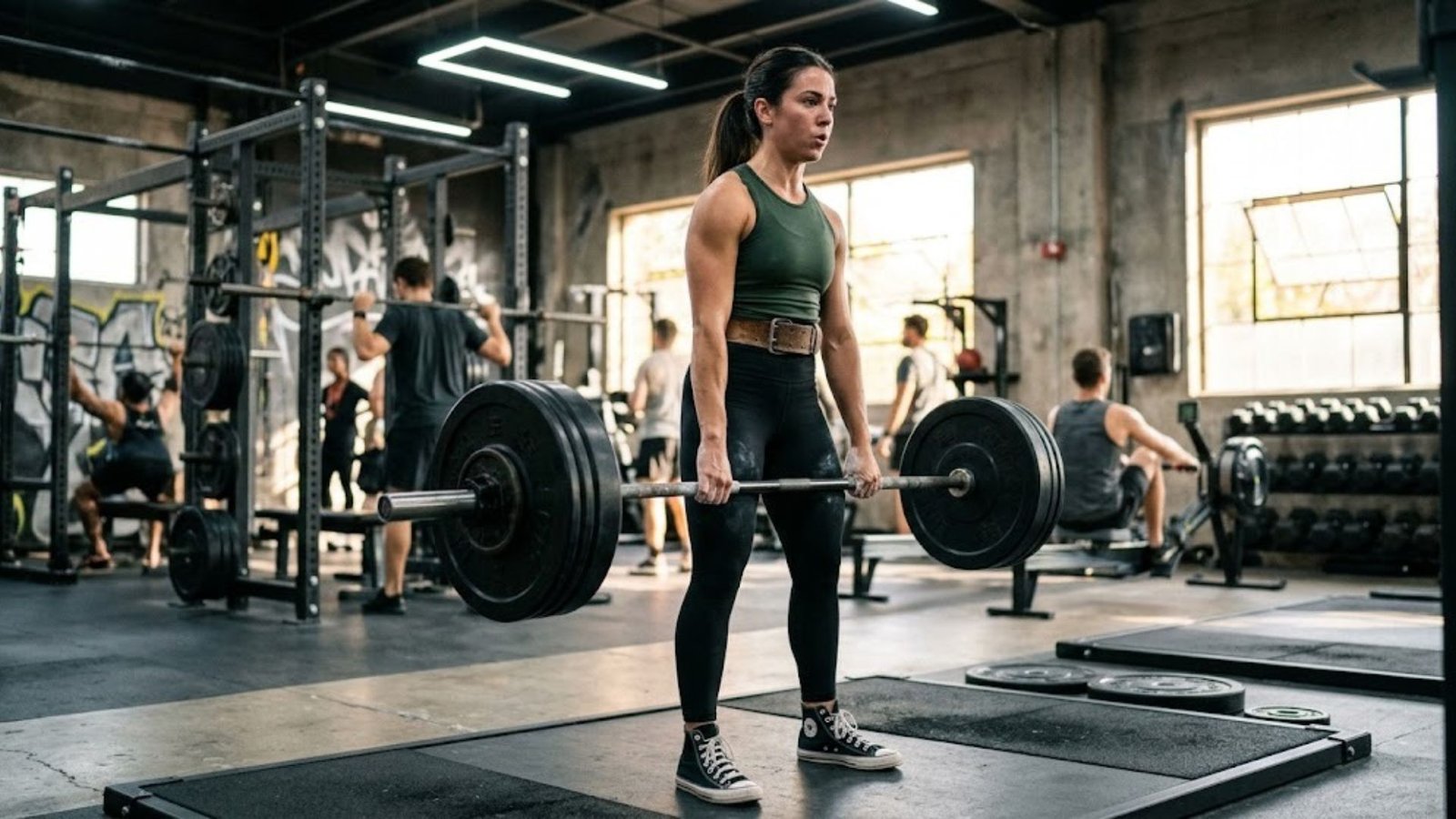
Strength training should be an important part of your fat loss routine. While cardio burns calories during exercise, resistance training helps build and maintain muscle.
Maintaining muscle is especially helpful when losing weight because it supports a healthier body composition. You may notice improvements in strength, posture, and how your clothes fit even when the number on the scale changes slowly.
Beginners can start with two or three full-body sessions per week. Focus on basic movements such as:
Squats or leg presses
Push-ups or chest presses
Dumbbell rows
Glute bridges
Lunges
Planks
Start with one to three sets of each exercise, using a resistance level that allows you to maintain proper form. Increase the weight or repetitions gradually as you become stronger.
2. Include Cardio to Increase Daily Activity
Cardiovascular exercise supports heart health, improves endurance, and increases the number of calories you burn.
You don’t need to spend hours running on a treadmill. Choose activities that you enjoy and can perform consistently.
Good beginner-friendly cardio options include:
Brisk walking
Cycling
Swimming
Elliptical training
Low-impact aerobics
Light jogging, if appropriate for your fitness level
Aim for manageable sessions of 20 to 30 minutes at first. You can gradually increase your duration as your endurance improves.
Walking is an especially practical starting point. It requires little equipment, can fit into most schedules, and helps you become more active without placing too much stress on your body.
3. Follow a Balanced Nutrition Plan
Exercise is only one part of fat loss. Your eating habits also influence whether you lose body fat.
To lose fat, you generally need a calorie deficit, meaning you consume fewer calories than your body uses over time. This doesn’t mean starving yourself or eliminating entire food groups. A moderate, sustainable approach is easier to maintain and can help protect your energy and workout performance.
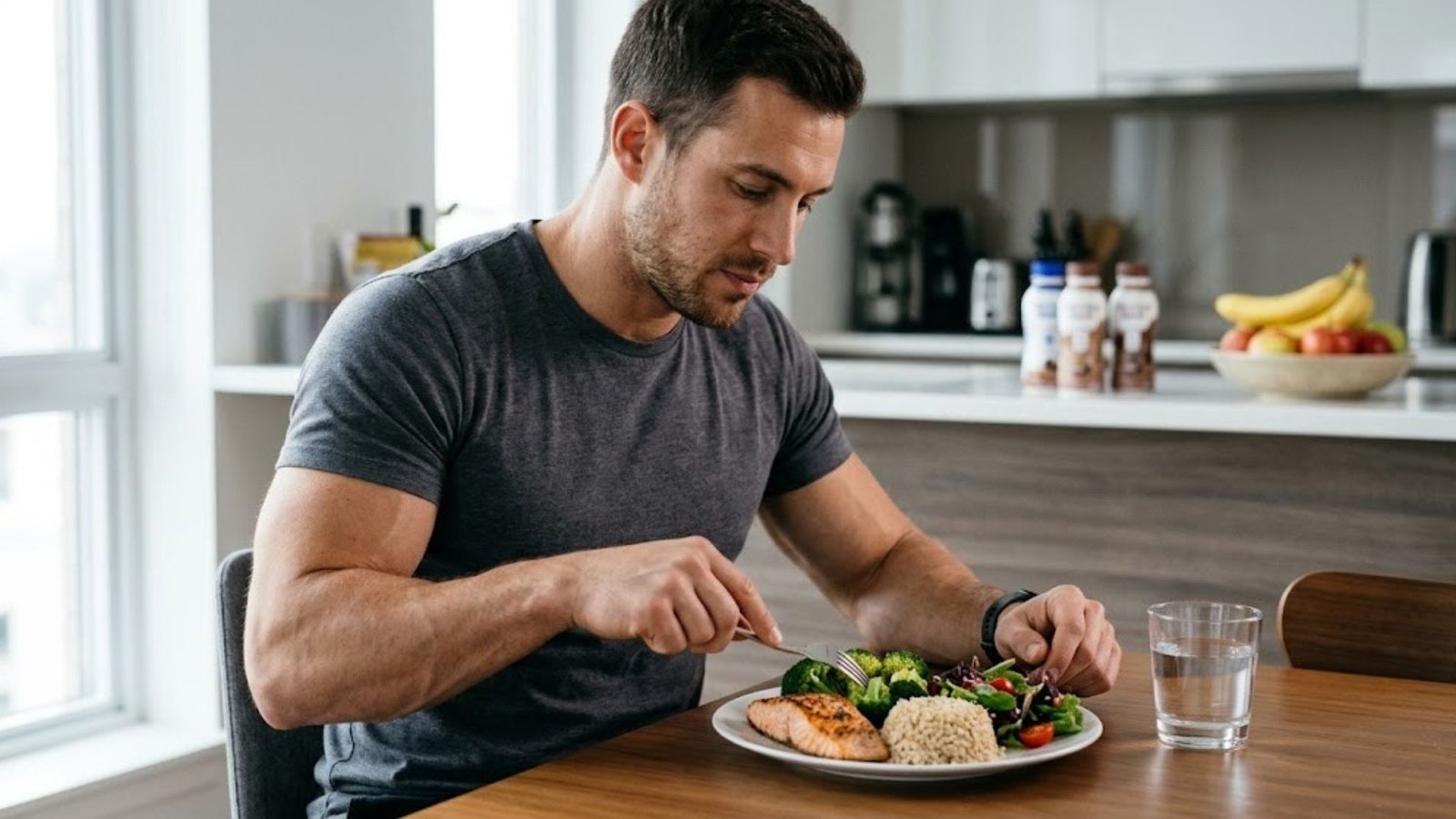
Build your meals around:
Lean protein: Chicken, fish, eggs, turkey, tofu, and Greek yogurt
Vegetables: Broccoli, spinach, carrots, peppers, and leafy greens
High-fiber carbohydrates: Oats, brown rice, potatoes, beans, and whole grains
Healthy fats: Avocados, olive oil, nuts, and seeds
Fruits: Berries, apples, bananas, and oranges
Pay attention to portion sizes, sugary drinks, frequent snacking, and highly processed foods. You don’t have to avoid your favorite meals completely. Focus on making balanced choices most of the time.
For more guidance, read our article on How Important Is Nutrition for Fat Loss?.
4. Give Your Body Enough Time to Recover
Working out every day isn’t necessary for beginners. Your body needs time to recover from exercise, especially when you’re introducing new movements and training muscles that haven’t been challenged regularly.
Include rest days between strength workouts and consider light activities such as walking or stretching on recovery days.
Getting enough sleep also supports workout recovery, energy levels, and appetite regulation. Aim for a consistent sleep schedule and give yourself time to adjust to your new routine.
5. Track Your Progress Beyond the Scale
Your body weight doesn’t tell the whole story. Changes in muscle, water retention, and other normal fluctuations can affect what you see on the scale.
Track several indicators of progress, including:
Waist and hip measurements
Progress photos
Workout performance
Energy levels
How your clothes fit
Improvements in strength and endurance
Review your progress every few weeks rather than judging your results from day to day. Consistent improvements in your habits and fitness are valuable signs that your program is working.
Sample Weekly Fat Loss Workout Plan for Beginners
If you’re unsure how to organize your workouts, the following schedule is a practical starting point. It includes strength training, cardio, and recovery without requiring you to exercise every day.
| Day | Workout |
|---|---|
| Monday | Full-body strength training |
| Tuesday | 20–30 minutes of brisk walking |
| Wednesday | Rest or light stretching |
| Thursday | Full-body strength training |
| Friday | 20–30 minutes of cycling or walking |
| Saturday | Optional light activity or recreational exercise |
| Sunday | Rest and recovery |
You can adjust this schedule based on your availability and fitness level. If two strength sessions feel challenging at first, start there and build toward three sessions as your body adapts.
For additional guidance on organizing your workouts, check out How Many Days a Week Should I Work Out to Lose Fat?.
Common Fat Loss Mistakes Beginners Should Avoid
Starting a fitness program is exciting, but some common mistakes can make progress harder than necessary.
Doing too much too soon: Jumping into intense workouts every day can lead to excessive soreness, fatigue, and difficulty staying consistent. Increase your activity gradually.
Relying only on cardio: Cardio is useful, but ignoring strength training can make it harder to maintain muscle while losing weight.
Eating too little: Extreme calorie restriction can affect energy, recovery, and long-term adherence. Choose a balanced eating plan instead.
Expecting immediate results: Fat loss takes time. Focus on steady improvements rather than looking for dramatic changes after a few workouts.
Following an unsuitable workout plan: An advanced routine may not match your current strength or experience. Start with exercises you can perform safely and progress at a reasonable pace.
You can also learn which foods may make fat loss more difficult in our guide, What Foods Should I Avoid When Trying to Lose Fat?.
Should Beginners Work With a Personal Trainer?
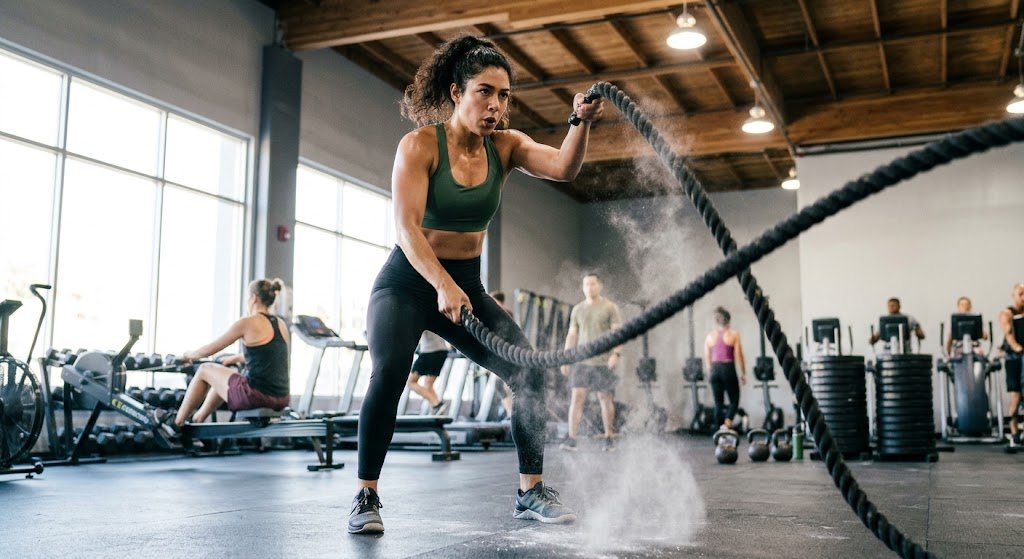
A personal trainer can make starting a fat loss program easier by helping you choose appropriate exercises, learn proper technique, and follow a structured schedule.
Instead of guessing which workouts to perform, you’ll have a plan based on your goals, fitness level, and available time. A trainer can also help you adjust exercises as your strength improves and keep you accountable when motivation drops.
Personal training can be especially useful if you’re returning to exercise after a long break, feel uncomfortable in the gym, or aren’t sure how to combine strength training and cardio.
If you’re new to structured workouts, read Can Beginners Work With a Personal Trainer? to learn more about getting started with professional guidance.
You can also explore How Nutrition Supports Your Personal Training Results for more information about combining exercise and healthy eating.
Frequently Asked Questions
1. What is the fastest way for a beginner to lose body fat?
The most effective starting point is to combine a manageable calorie deficit with regular strength training, cardio, and daily movement. Avoid crash diets and excessive exercise. Consistency is more useful than trying to lose weight as quickly as possible.
2. How many days a week should beginners work out for fat loss?
one or two cardio sessions. Your schedule should allow enough recovery between challenging workouts.
3. Is walking enough to lose fat as a beginner?
Walking can contribute to fat loss by increasing daily calorie expenditure. However, combining walking with strength training and balanced nutrition generally provides a more complete approach.
4. Should beginners do cardio or strength training first?
Both are useful. If your main goal is improving strength and maintaining muscle, perform strength training before cardio during the same session. You can also schedule them on separate days based on your preference and available time.
5. How long does it take to see fat loss results?
Results vary depending on your starting point, nutrition, activity level, and consistency. Some people notice improvements in energy and fitness within a few weeks, while visible body composition changes may take longer. Focus on sustainable progress rather than a fixed deadline.
Start Your Fat Loss Journey With a Plan That Works
The best fat loss program for beginners is one that helps you build healthy habits without overwhelming your schedule or fitness level. Start with simple full-body workouts, add regular cardio, improve your eating habits, and give your body enough time to recover.
You don’t need complicated routines or extreme diets to make progress. What matters is having a clear plan, following it consistently, and making adjustments as your fitness improves.
Ready to take the next step? Franklin Personal Training can help you work toward your fitness goals with structured training and guidance tailored to your needs. Explore the available programs and take the first step toward building a stronger, healthier body.