How important is nutrition for fat loss?
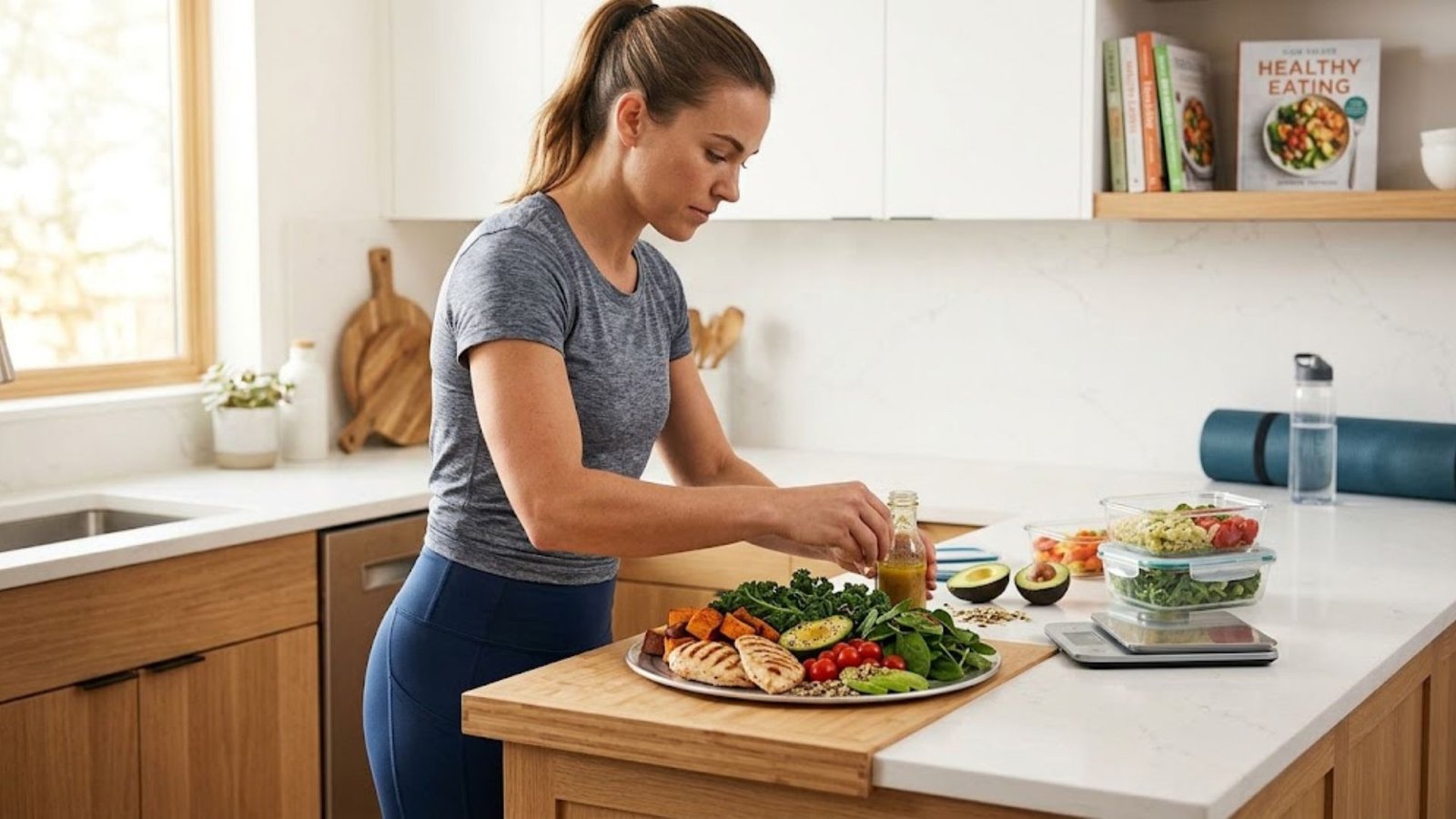
If you’ve ever trained hard for weeks and still didn’t see the scale or the mirror change, you’ve run into one of the most common frustrations in fitness. The cause is usually the same: what’s on your plate isn’t matching the work you’re doing in the gym.
So, how important is nutrition for fat loss? Very important. Training builds the foundation, but nutrition is what decides whether your body actually burns stored fat. Here’s why, and how to put it to work.
Why Nutrition Matters So Much for Fat Loss
Fat loss comes down to one principle: you need to consume fewer calories than your body burns over time. This is called a calorie deficit.
Exercise helps by increasing the calories you burn. But it’s much easier to eat back those calories than to burn them. A hard 45-minute workout can be undone by a few extra snacks, a sugary drink, or a restaurant meal. That’s why people who rely on training alone often feel stuck.
Nutrition gives you direct control over the “calories in” side of the equation. Training, in turn, protects your muscle, boosts your energy output, and shapes how your body looks as you lose fat. You need both, but if one has to lead, it’s nutrition.
Nutrition and Exercise: What Does Each One Do?
It’s not a competition. They do different jobs.
- Nutrition creates the calorie deficit, supplies the nutrients your body needs, and keeps hunger and energy in check.
- Strength training tells your body to hold on to muscle while you lose fat, so you end up leaner rather than just lighter.
- Cardio and daily movement increase the calories you burn and support heart health.
If you only change your diet, you may lose weight but also lose muscle. If you only exercise, you may get stronger and fitter but see little change in body fat. Combining the two is what produces a visible transformation.
The Key Nutrition Factors for Fat Loss
1. Calories
A moderate calorie deficit is the engine of fat loss. Cutting too aggressively backfires: you feel tired, lose muscle, and eventually rebound. A steady, sustainable deficit works better than a crash diet.
2. Protein
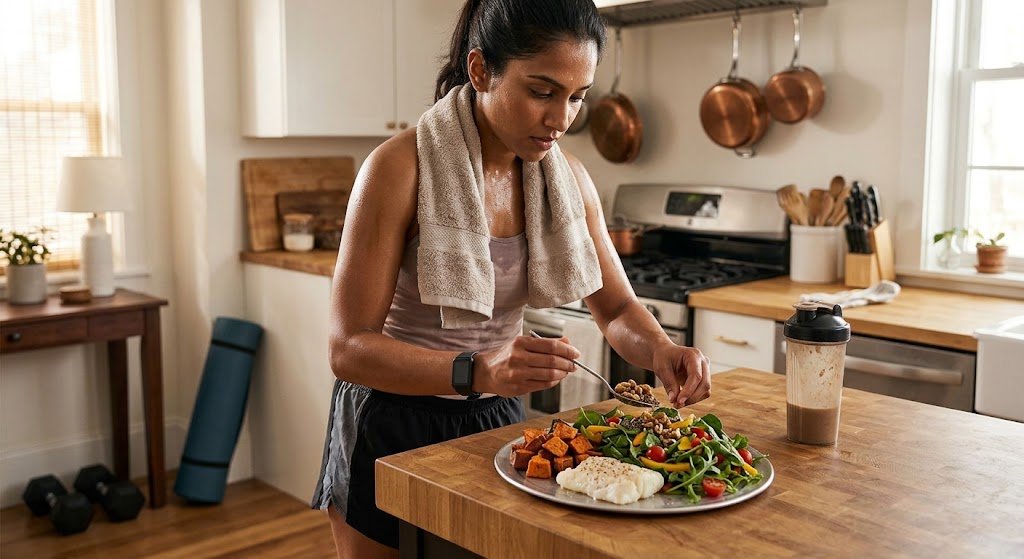
Protein is a fat loss essential. It helps you feel full, supports muscle retention while you’re in a deficit, and takes more energy to digest than carbs or fats. Include a quality protein source at every meal.
3. Carbohydrates
Carbs fuel your workouts, and cutting them too hard too fast can hurt performance. A smarter approach is to gradually reduce carbs over time while keeping enough for training. This is the approach used in structured plans like Dr. Jim Stoppani’s Dieting 101 and Super Shredded 8 Diet.
4. Healthy Fats
Fats support hormones, joint health, and fullness. You don’t need to eliminate them, just choose quality sources such as fish, olive oil, nuts, and avocado, and keep portions in check.
5. Food Quality
Two diets can have the same calories and feel completely different. Whole foods like lean proteins, vegetables, fruit, and whole grains keep you fuller and give you more nutrients per calorie than highly processed foods.
6. Hydration, Sleep, and Consistency
Water, sleep, and stress management don’t get as much attention, but they affect hunger, cravings, and recovery. The best plan is the one you can follow consistently.
Common Nutrition Mistakes That Stall Fat Loss
- Eating too little. Extreme dieting leads to burnout and muscle loss.
- Not tracking anything. Portions and “healthy” snacks add up faster than most people think.
- Liquid calories. Juices, sodas, specialty coffees, and alcohol can quietly add hundreds of calories.
- Weekend overcompensation. Five good days can be offset by two unstructured ones.
- Relying on supplements instead of food. Supplements can support a good diet, but they can’t replace one.
- Following a plan that’s not sustainable. If you dread your meals, the plan won’t last.
How to Get Started
- Set a realistic calorie target based on your body, activity level, and goal.
- Build meals around protein, then add vegetables, smart carbs, and healthy fats.
- Plan and prep ahead so you’re not making decisions when you’re hungry.
- Pair your diet with strength training to keep your muscle and improve your shape.
- Track your progress with photos, measurements, and how your clothes fit, not just the scale.
- Adjust as you go. Your body adapts, so your plan should too.
If you’d rather not guess, working with a structured program takes the confusion out of it. Meal plans, macronutrient guidance, and workouts that work together make the process far easier to stick with.
Frequently Asked Questions
Is nutrition more important than exercise for fat loss?
For fat loss specifically, nutrition has the bigger direct impact because it controls your calorie intake. But exercise, especially strength training, is what helps you keep muscle, improve your body composition, and maintain results long term. The best outcomes come from using both.
Can I lose fat without changing my diet?
It’s possible but difficult. Exercise alone rarely creates a large enough calorie deficit, particularly if appetite increases or you eat more to compensate. Making even a few nutrition improvements usually speeds up results significantly.
Do I need to count calories to lose fat?
Not necessarily, but it helps, especially at the start. Tracking for a few weeks teaches you portion sizes and calorie awareness. Some people later switch to simpler habits like portion control, structured meal plans, and consistent meal timing.
How much protein do I need for fat loss?
Needs vary by body size, training level, and goals, so it’s best to follow a plan tailored to you. In general, prioritizing protein at every meal helps with fullness and muscle retention while dieting.
Should I cut carbs completely to lose fat?
No. Carbs fuel your training and recovery. A gradual, planned reduction usually works better than eliminating them, and the right amount depends on your goal and activity level.
Do I need supplements for fat loss?
No. Supplements aren’t required, and they can’t replace solid nutrition and training. Some people find items like protein powder, omega-3s, or multivitamins convenient for filling gaps, but food and consistency come first.
How long does it take to see fat loss results from changing my nutrition?
Many people notice changes in energy, bloating, and how clothes fit within a couple of weeks. Visible fat loss generally takes longer and varies by starting point and consistency. Aim for steady progress rather than rapid drops.
Can a personal trainer help with my nutrition?
Yes. A knowledgeable trainer or structured program can help you set calorie and macronutrient targets, build meal plans, and adjust them as your body changes.
Note: Before starting a new diet or exercise program, especially if you have a medical condition, are pregnant, or take medication, check with your doctor.
Ready to Take the Guesswork Out of Fat Loss?
Great results come from the right nutrition, training, and accountability working together. With Dr. Jim Stoppani’s programs, you get proven meal plans like Dieting 101 and the Super Shredded 8 Diet, expert-designed workouts, and a supportive community to keep you on track.
✅ 50+ expert-designed fitness plans
✅ Nutrition guides, meal plans, and simple recipes
✅ Daily workouts with video instruction
✅ Supplement guides and the Jim Stoppani app
Want to see more? Explore our Fat Loss Programs or read our related article, What Foods Should I Avoid When Trying to Lose Fat?