What foods should I avoid when trying to lose fat
Losing fat is less about banning specific foods forever and more about building a repeatable way of eating that keeps calories, hunger, protein, and consistency under control. The foods worth limiting are the ones that make it easy to overeat while giving you little fullness, energy, or nutrition in return. Use this guide to identify those foods, make smarter swaps, and build a fat-loss plan that still feels realistic for everyday life.
What foods should you avoid when trying to lose fat?
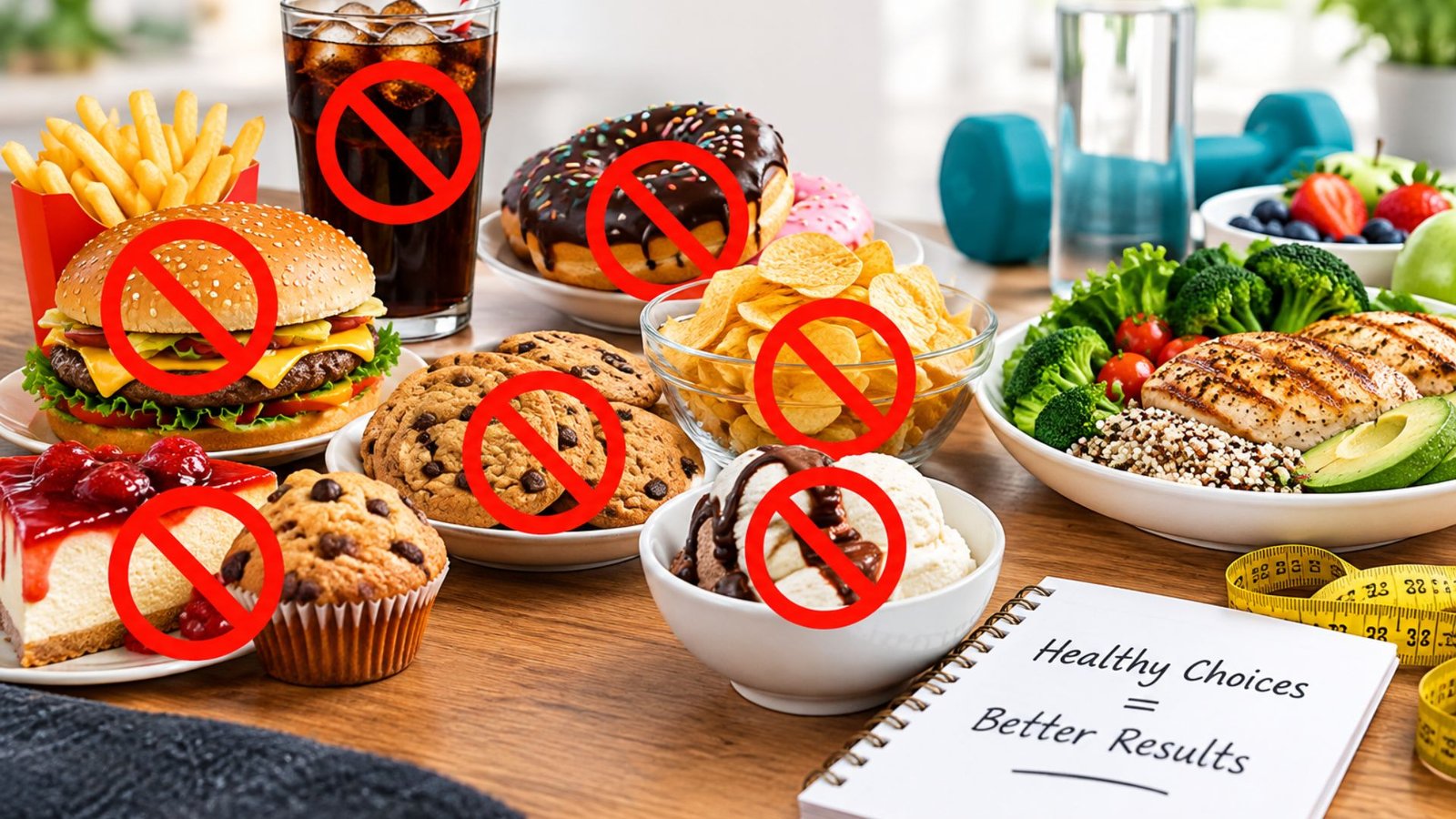
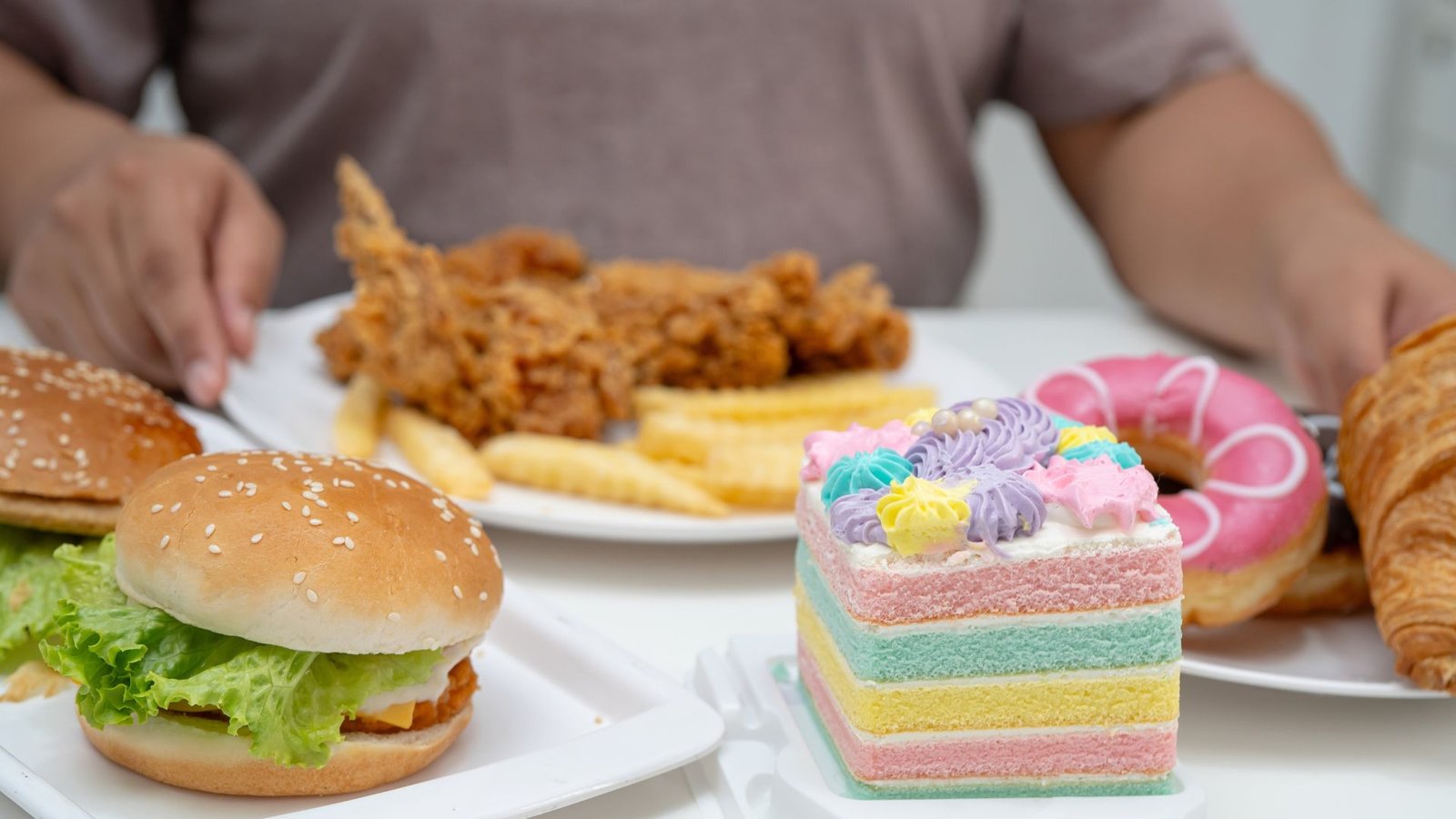
You do not need to completely avoid every food you enjoy to lose fat, but you should reduce foods that are highly calorie-dense, easy to snack on mindlessly, or low in protein and fiber. For most people, that means cutting back on sugary drinks, alcohol, fried foods, pastries, large portions of fast food, ultra-processed snacks, and “healthy” foods that are easy to overeat, such as nut butters, granola, and smoothies. The goal is not perfection; it is creating enough consistency that your body can use stored fat for energy over time.
If you are new to fitness for beginners, this distinction matters. A strict “never eat this again” mindset often leads to guilt, cravings, and quitting. A better approach is to learn which foods slow your progress, decide when they are worth including, and build most of your meals around lean protein, vegetables, fruit, high-fiber carbohydrates, and healthy fats in sensible portions.
Follow these steps to choose foods that support fat loss
1. Identify your easiest calories to reduce
Start with the foods and drinks that add calories quickly without making you feel full. These are often the best first targets because reducing them does not require complicated dieting. Sugary coffee drinks, soda, juice, cocktails, chips, candy, pastries, and large restaurant portions can quietly push your intake higher than you realize.
A simple audit helps. For three to five normal days, write down what you eat and drink without judging it. Then highlight anything that feels automatic, forgettable, or not very satisfying. Those are your first opportunities.
Focus especially on:
Liquid calories, including soda, sweet tea, juice, energy drinks, and sugary coffee drinks
Alcohol, especially mixed drinks, beer, and frequent “just one glass” habits
Snack foods eaten from the bag or box
Desserts eaten out of routine rather than real enjoyment
Restaurant meals with large portions, creamy sauces, fried sides, or extra toppings
You do not have to remove all of them at once. Pick one or two changes you can maintain, such as swapping soda for diet soda or sparkling water, limiting alcohol to specific occasions, or plating chips in a bowl instead of eating from the bag.
2. Limit foods that combine sugar, fat, and low fiber
Many foods that are easy to overeat share the same pattern: they combine sugar, fat, salt, and a soft or crunchy texture with very little fiber or protein. Doughnuts, cookies, cakes, ice cream, chocolate bars, sweet cereals, and many packaged snacks fall into this category. They are not “bad,” but they are designed to be very rewarding, which makes moderation harder.
This is where personal trainer tips can be useful: do not rely only on willpower. Change the environment. Keep tempting foods out of sight, buy single portions instead of family-size packages, and plan when you will enjoy them. If you love dessert, decide ahead of time that you will have it after dinner twice per week, not every time you feel stressed or bored.
Better swaps include:
Greek yogurt with berries instead of ice cream most nights
Fruit and a protein source instead of candy as an afternoon snack
Air-popped popcorn instead of chips when you want volume
A planned dessert portion instead of grazing on sweets throughout the day
The key is not to make every snack “perfect.” It is to make your default choices more filling, so your calorie intake becomes easier to manage.
3. Watch portion sizes on calorie-dense healthy foods
Some nutritious foods can still slow fat loss when portions creep up. Nuts, nut butter, avocado, olive oil, cheese, granola, dried fruit, protein bars, smoothies, and trail mix can all fit into a balanced diet, but they are dense in calories. A small amount can be helpful; a casual handful here and there can become more than you intended.
This is common for people following fitness for beginners plans because “healthy” can start to sound like “unlimited.” Instead, keep these foods but measure them for a short period until you understand portions. Use a spoon for peanut butter, pour oil into a measuring spoon before cooking, and choose whole fruit more often than dried fruit or juice.
Try this checklist before removing a healthy food:
Am I eating this because it helps me feel full or because it is easy to snack on?
Do I know my usual portion, or am I guessing?
Could I reduce the serving and add more protein or vegetables?
Is this food replacing a more filling meal?
If a food is nutritious but easy to overeat, control the portion rather than cutting it out completely.
4. Replace low-protein meals with higher-protein options
Fat loss is harder when meals are mostly refined carbohydrates and fats with little protein. Examples include a plain bagel with butter, cereal with little protein, pasta with minimal meat or beans, or a salad that is mostly dressing and croutons. These meals may taste good, but they often leave you hungry soon after.
Build meals around protein first. Protein supports fullness and helps you maintain muscle while losing fat, especially when paired with strength training. Good options include chicken, turkey, eggs, fish, lean beef, tofu, tempeh, Greek yogurt, cottage cheese, beans, lentils, and protein powder when convenient.
A practical plate structure looks like this:
Choose one protein source.
Add vegetables or fruit for volume and fiber.
Add a carbohydrate portion such as potatoes, rice, oats, beans, or whole-grain bread.
Add a small amount of fat, such as olive oil, avocado, nuts, or cheese.
Adjust portions based on hunger, progress, and training demands.
This approach is especially helpful if you are considering a personal trainer for beginners. A good coach will usually help you build repeatable meals before chasing advanced diet tactics.
5. Reduce fried and heavily sauced restaurant meals
Restaurant food can absolutely fit into fat loss, but frequent fried meals, creamy sauces, oversized portions, and extra sides can make progress difficult. Fried chicken, loaded fries, burgers with multiple toppings, creamy pasta, nachos, and large pizza portions are common examples. The issue is not one meal; it is the pattern when these choices happen often.
When eating out, keep the experience enjoyable while making one or two strategic changes. Choose grilled, baked, or roasted options more often. Ask for sauces and dressings on the side. Swap fries for a vegetable or salad sometimes, or keep the fries and skip the extra appetizer. If the portion is huge, decide before eating that half is for later.
Use this simple restaurant strategy:
Pick the protein first.
Choose one higher-calorie item you genuinely want.
Make the rest of the meal lighter.
Stop when satisfied, not stuffed.
This keeps eating out from turning into an all-or-nothing decision.
6. Plan treats instead of reacting to cravings
Cravings are normal, and trying to eliminate them usually backfires. A better fat-loss skill is learning how to include treats intentionally. When you plan enjoyable foods, you reduce the feeling that you are “cheating,” which makes your plan easier to sustain.
Choose your non-negotiables. Maybe you want pizza on Friday, dessert at a family dinner, or a favorite coffee once per week. Keep those moments, then make your other meals that day more supportive: lean protein, vegetables, fruit, and water. This is not punishment; it is balance.
If cravings hit often, check the basics first. Are you eating enough protein? Are you sleeping poorly? Are your meals too small during the day? Are you keeping trigger foods nearby when stressed? Fixing the pattern usually works better than blaming yourself.
What should you eat instead?
Build most meals from foods that make fullness easier: lean proteins, high-fiber carbohydrates, vegetables, fruits, and moderate amounts of healthy fats. These foods help you create a calorie deficit without feeling like every meal is tiny. They also support training, energy, digestion, and consistency.
Good staples include:
Proteins: chicken, fish, eggs, lean meat, tofu, Greek yogurt, cottage cheese, beans, and lentils
Carbohydrates: potatoes, oats, rice, quinoa, fruit, beans, and whole-grain bread
Vegetables: leafy greens, broccoli, peppers, carrots, zucchini, cucumbers, and frozen vegetable mixes
Fats: olive oil, avocado, nuts, seeds, and cheese in measured portions
Drinks: water, sparkling water, unsweetened tea, black coffee, or low-calorie alternatives
Keep meals simple at first. A beginner does not need a perfect meal plan; they need a plan they can repeat on busy days.
Common mistakes that slow fat loss
Many people stall not because they lack discipline, but because their strategy is too extreme or too vague. Avoid these common mistakes:
Cutting out too many foods at once. This can create cravings and make social eating stressful.
Ignoring drinks. Calories from beverages can add up quickly and are often less filling than food.
Eating “healthy” foods without portions. Nutritious foods still count toward total intake.
Saving calories all day for one huge meal. This often leads to overeating at night.
Expecting exercise to erase everything. Training helps, but food choices still matter.
Quitting after one off-plan meal. One meal does not ruin progress; returning to your next planned meal is what matters.
If you feel stuck, simplify. Track a few habits before changing everything: protein at each meal, fewer liquid calories, planned snacks, and two to three strength workouts per week.
Frequently Asked Questions
Do I have to avoid carbs to lose fat?
No. Carbohydrates can fit well into a fat-loss plan, especially when they come from filling sources like potatoes, oats, rice, beans, fruit, and whole grains. The bigger issue is usually portion size and the type of carb. Refined, low-fiber carbs paired with lots of fat and sugar are easier to overeat than higher-fiber options.
Is fast food completely off limits?
No, but it helps to choose carefully and avoid making it your default meal. Look for grilled proteins, smaller portions, water or zero-calorie drinks, and fewer extras like creamy sauces, large fries, and desserts. If you eat fast food often, improving your usual order can make a meaningful difference.
What is the best snack for fat loss?
The best snack is one that controls hunger and fits your day. Good options usually include protein, fiber, or both, such as Greek yogurt with fruit, cottage cheese, boiled eggs, tuna on whole-grain crackers, a protein shake, vegetables with hummus, or fruit with a measured portion of nuts.
Should I hire a personal trainer for beginners?
A personal trainer for beginners can help if you feel unsure about workouts, nutrition habits, or staying consistent. A trainer can teach proper exercise form, help you set realistic goals, and give personal trainer tips that match your schedule and starting point. You still need to practice the habits, but guidance can make the process feel less overwhelming.
Build a plan you can actually repeat
The foods to limit during fat loss are the ones that make your calorie intake harder to control: sugary drinks, alcohol, fried foods, ultra-processed snacks, sweets, oversized restaurant meals, and large portions of calorie-dense healthy foods. You do not need to fear them, but you do need a plan for them. Start with one or two realistic changes, build meals around protein and fiber, and keep your favorite foods in controlled portions.
Ready to make fat loss simpler and more sustainable? Start today by choosing one food or drink from this guide to reduce, then take the next step by signing up for beginner-friendly fitness guidance or working with a qualified trainer who can help you build a plan you can stick to.