Is Strength Training Safe for Beginners? A Beginner’s Guide!
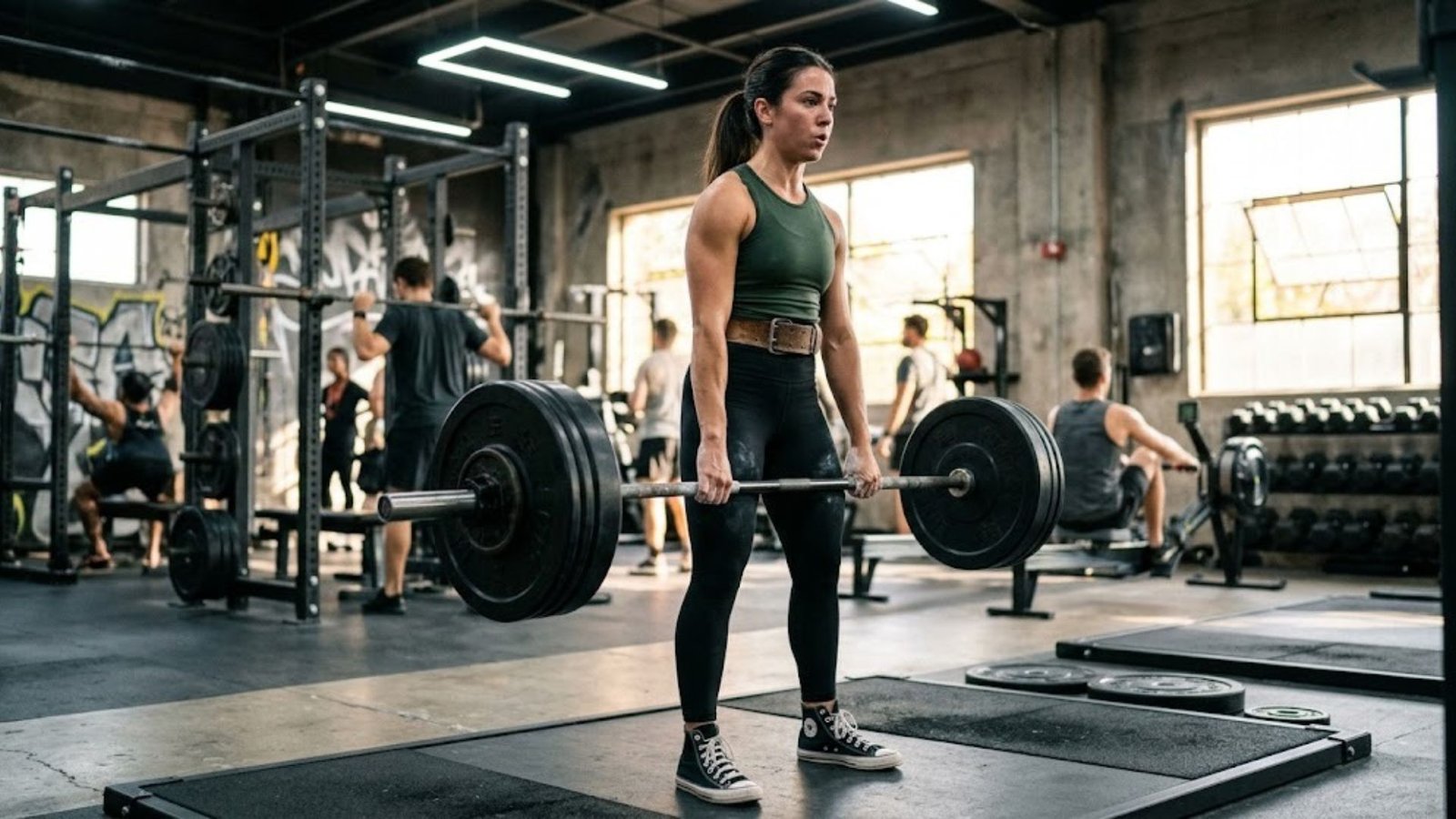
Starting a fitness routine can feel intimidating, especially if you’ve never lifted weights before. You might wonder whether strength training is too demanding, if you’ll get injured, or whether you need experience before using gym equipment. The good news is that strength training is generally safe for beginners when exercises are appropriate for their fitness level and performed with proper technique.
You don’t need to lift heavy weights or follow an advanced workout routine to get started. A beginner-friendly program should focus on basic movements, manageable resistance, and gradual progress. With the right approach, strength training can help you build muscle, improve balance, increase physical strength, and feel more confident in your daily activities.
Let’s look at how beginners can start strength training safely and what to consider before their first workout.
Is Strength Training Safe for Beginners?
Yes. Strength training is generally safe for healthy beginners when they start with manageable resistance, learn proper exercise technique, and allow enough time for recovery.
The key is to match the workout to your current abilities. Someone who has never exercised regularly shouldn’t begin with the same weights, volume, or intensity as an experienced lifter.
A beginner program typically includes basic exercises that target major muscle groups. As your strength and coordination improve, you can gradually increase the weight, repetitions, or difficulty of each movement.
Working with a qualified personal trainer can also help you learn how to use equipment correctly, recognize when an exercise needs modification, and follow a structured routine.
7 Tips for Safe Strength Training as a Beginner
1. Start With Manageable Weights
One of the most common mistakes beginners make is choosing weights that are too heavy. Lifting more than you can comfortably control may cause your technique to break down and increase the risk of injury.
Start with light resistance that allows you to complete each repetition with control. You should feel your muscles working, but you shouldn’t need to swing the weights, hold your breath, or change your body position to finish a repetition.
You can gradually increase resistance as your technique and strength improve.
Remember, the goal of your first few workouts isn’t to see how much you can lift. It’s to learn the movements and build a solid foundation.
2. Learn Proper Exercise Form
Proper form helps you perform exercises effectively and control how your body moves. It also reduces unnecessary stress on your joints and muscles.
Before increasing the weight, learn the basic technique for each exercise. Pay attention to your posture, movement speed, breathing, and range of motion.
Some beginner-friendly exercises include:
Bodyweight squats: Develop leg and glute strength.
Wall or incline push-ups: Build upper-body strength at a manageable difficulty.
Seated rows: Strengthen your back and improve pulling strength.
Glute bridges: Target your glutes and support hip strength.
Dumbbell shoulder presses: Develop shoulder strength with controlled resistance.
Planks: Improve core stability.
If you’re unsure how to perform an exercise, ask a trainer to demonstrate it and check your technique.
3. Warm Up Before Each Workout
A proper warm-up prepares your body for exercise. It gradually increases your heart rate, gets your muscles moving, and helps you practice the movements you’ll perform during your workout.
Spend around five to ten minutes doing light activity, such as walking, cycling, or using an elliptical machine.
You can also include dynamic movements such as:
Arm circles
Bodyweight squats
Hip rotations
Walking lunges
Gentle torso rotations
After warming up, begin your first strength exercises with lighter resistance before moving to your working weight.
4. Avoid Training the Same Muscles Too Hard Every Day
Your muscles need time to recover after challenging workouts. Training the same muscle groups intensely every day can lead to excessive fatigue and make it harder to maintain good exercise technique.
For most beginners, two or three strength training sessions per week are a reasonable starting point. Full-body workouts with rest days between sessions make it easier to train consistently while allowing recovery.
For example, you could strength train on Monday, Wednesday, and Friday, then use the other days for walking, light activity, or rest.
Read our guide on How Often Should Beginners Do Strength Training? for more information about choosing a weekly schedule.
5. Increase Workout Intensity Gradually
Your body needs time to adapt to a new exercise routine. Increasing the weight, repetitions, and workout frequency all at once can make training unnecessarily difficult.
Instead, focus on making small improvements.
You might begin by completing two sets of an exercise with a light dumbbell. After a few sessions, you may be ready to perform more repetitions or increase the resistance slightly.
This gradual approach is called progressive overload. It helps your muscles adapt to increasing demands without requiring you to rush into advanced workouts.
Track your exercises, weights, and repetitions so you can see how your strength improves over time.
6. Pay Attention to Pain and Fatigue
Some muscle soreness is common when you begin strength training, particularly after trying unfamiliar exercises. However, soreness and pain aren’t the same thing.
Mild muscle soreness may appear a day or two after exercise and usually improves as your body adapts.
Stop an exercise if you experience sharp pain, sudden discomfort, dizziness, or unusual shortness of breath. Don’t try to push through symptoms that feel abnormal. Seek appropriate medical advice when needed.
Also, pay attention to ongoing fatigue, joint discomfort, and soreness that doesn’t improve. You may need more recovery time or adjustments to your program.
7. Support Your Training With Proper Nutrition and Sleep
Exercise is only one part of a healthy strength training routine. Your body also needs adequate food, hydration, and sleep to recover.
Include a variety of nutritious foods in your daily meals, such as:
Protein from eggs, chicken, fish, beans, tofu, and dairy
Carbohydrates from oats, rice, potatoes, and whole grains
Healthy fats from nuts, seeds, olive oil, and avocados
Fruits and vegetables for fiber, vitamins, and minerals
Drink water throughout the day, especially when exercising. Aim for a consistent sleep schedule so your body has enough time to recover.
What Does a Safe Beginner Strength Training Routine Look Like?
A beginner doesn’t need a complicated workout plan. A simple full-body routine can train major muscle groups while giving you time to practice basic movements.
Here’s an example of a beginner-friendly workout:
| Exercise | Sets | Repetitions |
|---|---|---|
| Bodyweight Squats | 2 | 10–12 |
| Wall or Incline Push-Ups | 2 | 8–10 |
| Seated Rows | 2 | 10–12 |
| Glute Bridges | 2 | 10–12 |
| Dumbbell Shoulder Press | 2 | 8–10 |
| Plank | 2 | 15–20 seconds |
Choose a variation and resistance that you can perform comfortably with good form. Rest between sets as needed, and don’t rush through the movements.
You can perform this routine two or three times per week, with at least one recovery day between full-body sessions.
As you become more comfortable, a trainer can help you adjust the exercises and increase the difficulty.
For more guidance on workout structure, explore What Is the Best Workout Program to Build Muscle?.
What Are the Benefits of Strength Training for Beginners?
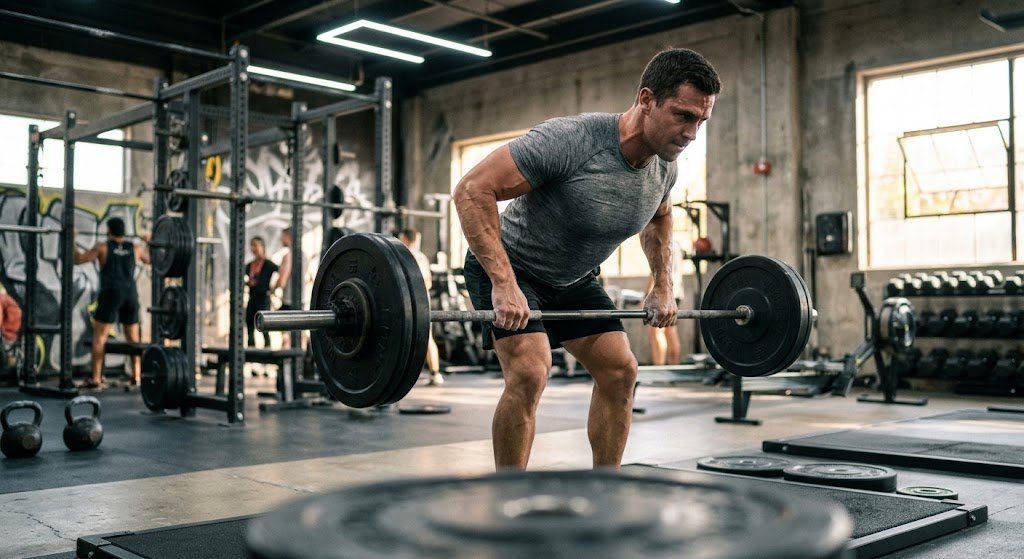
When performed consistently, strength training offers benefits that go beyond building muscle.
Improved muscle strength: Resistance exercises help your muscles adapt and become stronger over time.
Better everyday movement: Developing strength can make activities such as carrying groceries, climbing stairs, and lifting household items easier.
Stronger bones: Weight-bearing and resistance exercises can support bone health.
Improved balance and stability: Strengthening your legs and core can help improve control during everyday movements.
Better body composition: Strength training helps build and maintain muscle, which can support changes in your overall body composition.
Greater confidence: Learning new exercises and seeing your progress can make you feel more comfortable with physical activity.
You can learn more in our article, What Are the Benefits of Strength Training?.
Should Beginners Work With a Personal Trainer?
Working with a personal trainer can be helpful if you’re new to strength training and aren’t sure where to begin.
A trainer can assess your current fitness level, explain how to perform exercises, and create a program that matches your goals and abilities. They can also help you select appropriate resistance, monitor your technique, and adjust your workouts as you improve.
Personal training may be particularly useful if you’re nervous about using gym equipment, returning to exercise after a long break, or struggling to stay consistent.
If you prefer exercising at home, online personal training may also be an option. Read Is Online Personal Training Good for Beginners? to understand how online coaching can support people who are new to fitness.
If you have a chronic health condition, a current injury, recent surgery, or concerns about whether exercise is appropriate for you, speak with a healthcare professional before beginning. A trainer can then help you work within any guidance or restrictions you’ve been given.
Frequently Asked Questions
1. How often should a beginner do strength training?
Most beginners can start with two or three strength training sessions per week. Full-body workouts with rest days between sessions provide a practical way to train major muscle groups while allowing time for recovery.
2. Can strength training cause injuries in beginners?
Injuries can happen, particularly when someone uses excessive weight, performs exercises with poor technique, or increases training intensity too quickly. Starting with manageable resistance, learning proper form, and progressing gradually can help reduce these risks.
3. Should beginners lift heavy weights?
No. Beginners should start with weights they can control throughout the entire movement. Once they can complete their exercises with consistent technique, they can gradually increase the resistance.
4. Is it normal to feel sore after strength training?
Mild muscle soreness is common when starting a new workout routine. It generally improves with recovery. Sharp pain, significant joint discomfort, or symptoms that persist or worsen should not be treated as ordinary soreness.
5. Can beginners do strength training at home?
Yes. Beginners can build strength at home using bodyweight exercises, resistance bands, dumbbells, or other available equipment. The important thing is to follow a suitable routine and use proper technique.
6. Do beginners need a personal trainer for strength training?
A personal trainer isn't required, but professional guidance can make learning easier. A trainer can help you understand exercise technique, choose appropriate workouts, and develop a program that matches your current fitness level.
Start Strength Training With Confidence
So, is strength training safe for beginners? For most healthy adults, yes, when it’s approached with the right exercises, manageable resistance, proper technique, and adequate recovery.
You don’t need to be strong before you start. Strength develops through consistent practice and gradual improvement. Begin with simple movements, listen to your body, and give yourself enough time to learn.
Ready to get started? Franklin Personal Training can help you build a strength training routine that fits your experience and fitness goals. Explore your training options and take the first step toward becoming stronger, healthier, and more confident.