What is the best diet for building muscle?
If you’re trying to build a stronger, more muscular body, your workouts are only part of the equation. Understanding what is the best diet for building muscle can make a significant difference in how quickly you recover, improve your strength, and see changes in your physique.
Whether you’re a beginner starting strength training, a busy professional trying to improve your fitness, or someone who has reached a muscle-building plateau, proper nutrition is essential. Your body needs enough calories, protein, carbohydrates, and healthy fats to repair muscle tissue and support growth.
The good news is that you don’t need an overly complicated diet. A balanced eating plan combined with consistent strength training can help you build muscle and achieve sustainable results.
What Is the Best Diet for Building Muscle?
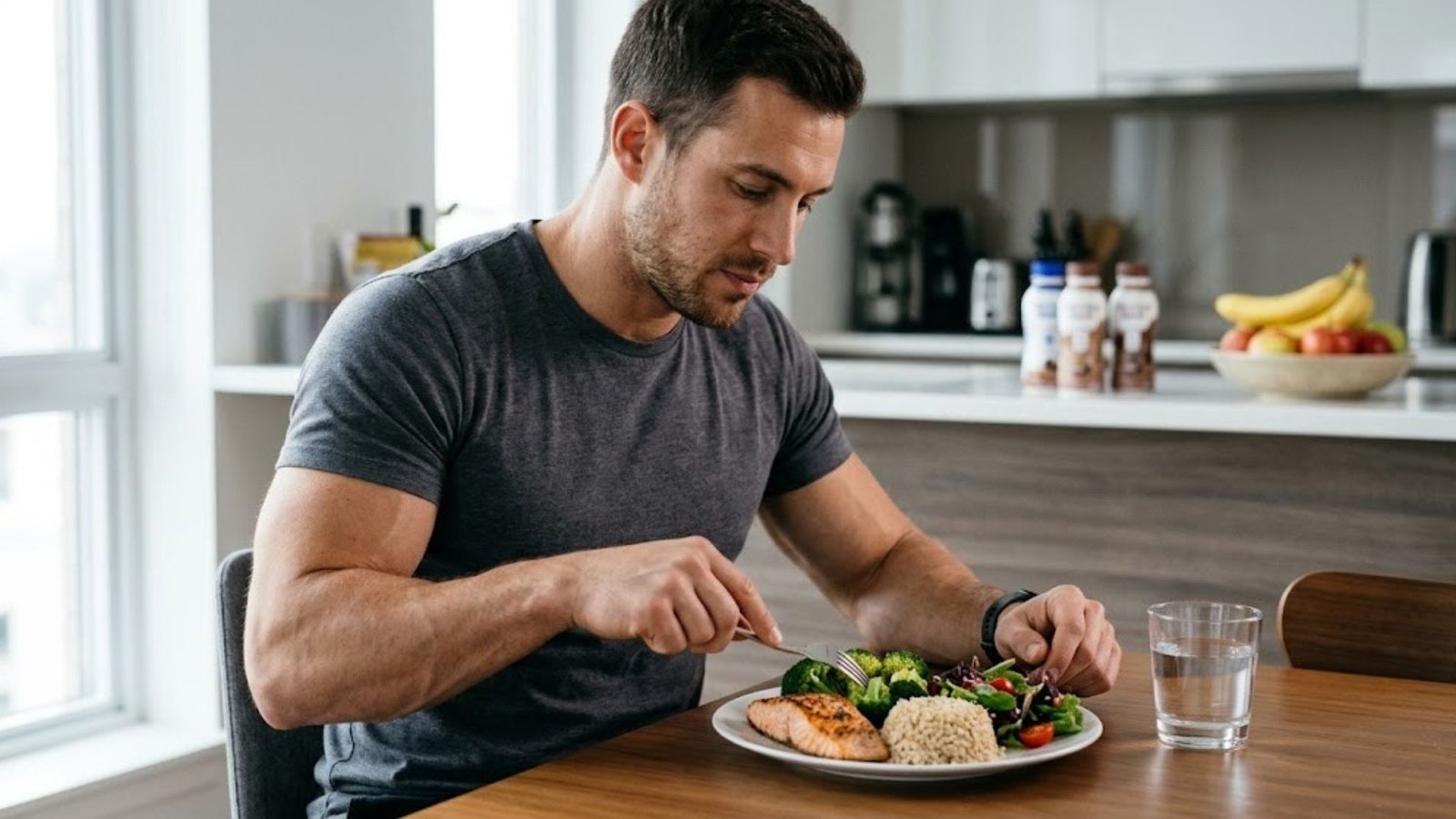
The best diet for building muscle includes adequate protein, complex carbohydrates, healthy fats, and enough total calories to support muscle growth and recovery.
For most people, an effective muscle-building diet should include:
Protein: Chicken, eggs, fish, lean beef, Greek yogurt, and beans.
Carbohydrates: Rice, oats, potatoes, fruits, and whole grains.
Healthy fats: Avocados, nuts, olive oil, seeds, and fatty fish.
Vegetables: Broccoli, spinach, carrots, and other nutrient-rich vegetables.
Hydration: Plenty of water throughout the day.
Eating consistently and getting enough nutrients allows your muscles to recover from workouts and adapt to resistance training.
How Much Protein Do You Need to Build Muscle?
Protein is one of the most important nutrients for muscle development. During strength training, muscle fibers experience small amounts of damage. Your body uses amino acids from protein to repair and rebuild this tissue.
For most healthy adults who exercise regularly, approximately 1.4–2.0 grams of protein per kilogram of body weight daily is a useful target for supporting muscle growth.
For example, someone weighing 70 kilograms may aim for approximately 98–140 grams of protein per day.
Best Protein Sources for Muscle Growth
Include these foods in your regular meals:
Chicken breast
Turkey
Eggs
Salmon and tuna
Lean beef
Greek yogurt
Cottage cheese
Tofu and tempeh
Lentils and beans
Try spreading your protein intake across three to five meals rather than consuming most of it in one sitting.
For additional guidance, read our article on Do I Need Supplements to Build Muscle?, which explains how food and supplements can support your muscle-building goals.
Why Carbohydrates Matter for Building Muscle
Carbohydrates often get overlooked when people focus on muscle growth. However, they provide energy for demanding workouts and help replenish glycogen stores after exercise.
Without enough carbohydrates, you may struggle to maintain workout intensity, particularly during high-volume strength training.
Best Carbohydrate Sources
Choose nutrient-rich carbohydrates such as:
Brown or white rice
Sweet potatoes
Oatmeal
Whole-grain bread
Bananas
Quinoa
Fruits and vegetables
Eating carbohydrates before training can help fuel your workout, while including them in post-workout meals supports recovery.
Don’t Forget Healthy Fats
Healthy fats support hormone production, overall health, and the absorption of fat-soluble vitamins.
Good sources include:
Avocados
Almonds and walnuts
Chia seeds
Olive oil
Peanut butter
Salmon and sardines
You don’t need to eliminate fats to build muscle. Instead, include moderate portions as part of a balanced diet.
How Many Calories Should You Eat to Build Muscle?
To build muscle effectively, your body needs enough energy to support training and recovery.
Many people benefit from eating slightly more calories than they burn each day. This is called a calorie surplus.
However, eating too much can lead to unnecessary fat gain. A modest surplus of approximately 150–300 calories per day can be a reasonable starting point for some individuals, with adjustments based on progress.
Your ideal calorie intake depends on:
Current body weight
Age and activity level
Training frequency
Metabolism
Fitness goals
If you’re new to strength training or returning after a long break, you may also gain muscle without a significant calorie surplus.
Sample Daily Meal Plan for Building Muscle
Here’s a simple example of how you can organize your meals throughout the day.
Breakfast
3 scrambled eggs
Oatmeal with banana
A glass of milk
Mid-Morning Snack
Greek yogurt
A handful of almonds
Fresh fruit
Lunch
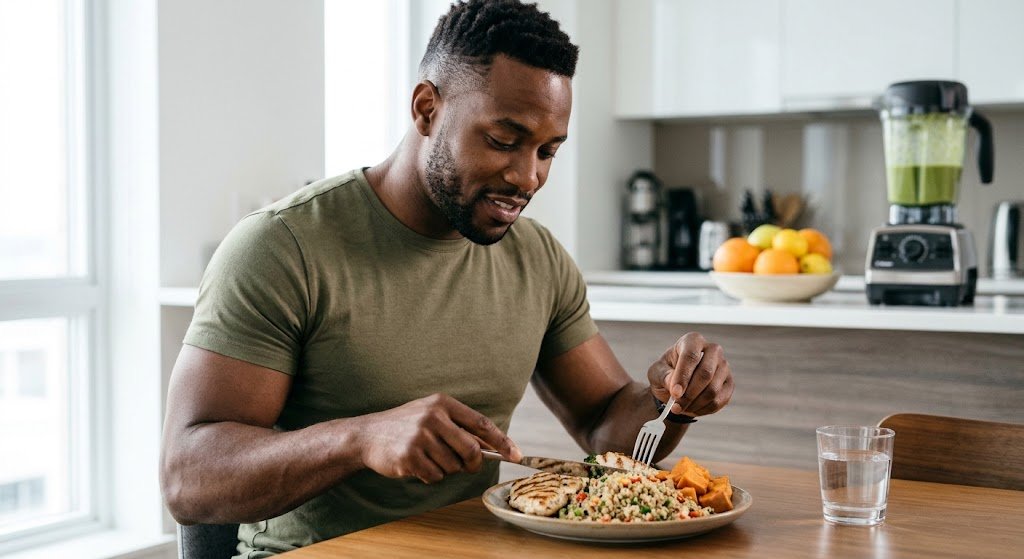
Grilled chicken breast
Brown rice
Steamed broccoli
Pre-Workout Snack
Banana
Peanut butter toast
Dinner
Grilled salmon
Sweet potatoes
Mixed vegetables
Evening Snack
Cottage cheese or Greek yogurt
Adjust portions based on your calorie and protein requirements. This is a general example, not an individualized nutrition prescription.
5 Practical Tips to Improve Your Muscle-Building Diet
1. Plan Your Meals Ahead
Preparing meals in advance helps you stay consistent, especially if you have a busy work schedule. Cook protein sources, prepare carbohydrates, and keep healthy snacks available.
2. Eat Protein with Every Meal
Include a protein source at breakfast, lunch, and dinner. This makes it easier to meet your daily protein requirements.
3. Eat Enough to Support Your Workouts
Avoid undereating when your goal is muscle growth. Your body needs sufficient calories to recover and adapt to resistance training.
4. Stay Hydrated
Drink water throughout the day, particularly before, during, and after exercise. Proper hydration supports physical performance and normal muscle function.
5. Combine Nutrition with Strength Training
Nutrition alone won’t build significant muscle. You also need a structured workout program that gradually challenges your muscles.
Check out our guide on What Is the Best Workout Program to Build Muscle? for practical training strategies.
You can also explore our articles on Best Muscle-Building Workouts for Maximum Growth and How Long Does It Take to Build Muscle With a Personal Trainer? to better understand how training and recovery affect your results.
Common Mistakes That Can Slow Muscle Growth
Even with regular workouts, certain nutrition habits can make building muscle more difficult.
Avoid these common mistakes:
Skipping meals or consistently eating too little.
Not consuming enough protein.
Eliminating carbohydrates unnecessarily.
Depending entirely on supplements.
Ignoring hydration.
Neglecting sleep and recovery.
Remember, building muscle takes time. Focus on developing habits you can maintain rather than following extreme diets or expecting overnight results.
Frequently Asked Questions
1. What is the best food to eat for building muscle?
There isn't one best food. Chicken, eggs, fish, lean beef, Greek yogurt, beans, rice, oats, and sweet potatoes provide nutrients that support muscle growth and recovery.
2. Can I build muscle without eating meat?
Yes. You can build muscle with a vegetarian or vegan diet by eating foods such as tofu, tempeh, lentils, beans, soy products, nuts, seeds, and other plant-based protein sources.
3. Should I eat before or after a workout to build muscle?
Both can help. Eating carbohydrates and protein before exercise provides energy, while a protein-rich meal after training supports muscle repair and recovery.
4. Do I need protein shakes to build muscle?
No. Protein shakes are convenient but not required. You can meet your daily protein needs through whole foods if your diet provides enough.
5. How long does it take to build muscle with proper nutrition?
Many people notice improvements in strength within a few weeks, while visible muscle development often takes several months. Results depend on training experience, nutrition, genetics, and consistency.
Conclusion
So, what is the best diet for building muscle? It’s a balanced eating plan that provides enough protein, carbohydrates, healthy fats, and calories to support your workouts and recovery.
Remember that muscle growth requires more than simply eating protein or lifting weights. Combining proper nutrition, progressive strength training, adequate sleep, and consistent habits will help you develop strength and build lean muscle over time.
Start with manageable changes, monitor your progress, and adjust your nutrition as your fitness goals evolve.
Ready to Build Muscle with a Personalized Fitness Plan?
Getting the right combination of training and nutrition can make reaching your fitness goals much easier. At Franklin Personal Training, we help individuals develop personalized fitness strategies designed around their experience, lifestyle, and muscle-building goals.
Whether you want to gain lean muscle, improve strength, or completely change your fitness routine, having the right guidance can help you stay consistent and make meaningful progress.
Contact Franklin Personal Training today to get started with a personalized training and nutrition approach that helps you build muscle, improve performance, and achieve lasting results.