What Is the Best Workout Program to Build Muscle?

If you’ve spent any time researching how to build muscle, you’ve probably noticed everyone has a different opinion on the best workout program to build muscle. Push/pull/legs, full-body splits, upper/lower routines — the options can feel overwhelming, especially when you just want a plan that works.
At Franklin Personal Training, we’ve helped clients of all experience levels pack on lean muscle, and the truth is there’s no single “perfect” program. But there is a proven framework — and in this guide, we’ll break down exactly what makes a muscle-building program effective, along with sample routines you can start using right away.
What Is the Best Workout Program to Build Muscle?
The best workout program to build muscle is one that combines progressive overload, adequate training volume, compound movements, and consistent recovery — structured in a way you can realistically follow for months, not just weeks.
For most people, that means:
- Training each muscle group 2–3 times per week
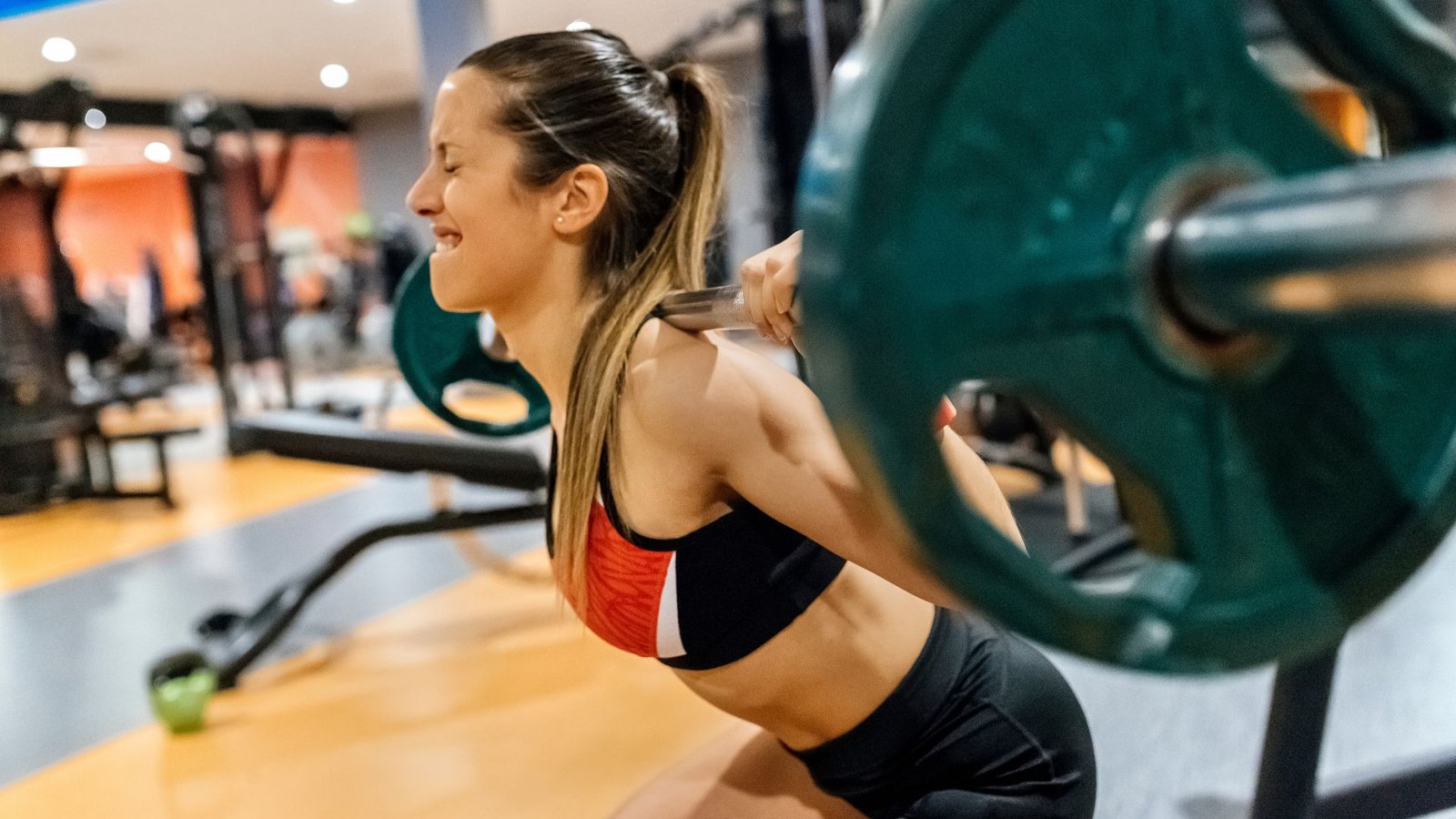
- Prioritizing compound lifts like squats, deadlifts, presses, and rows
- Gradually increasing weight, reps, or sets over time
- Allowing 48–72 hours of recovery between training the same muscle group
The 4 Pillars of an Effective Muscle-Building Program
1. Progressive Overload
Your muscles grow in response to increasing demand. Without gradually adding more weight, reps, or sets over time, your body has no reason to adapt. This is the single most important principle behind any successful hypertrophy program.
2. Training Volume
Volume — the total amount of sets and reps performed per muscle group per week — is a key driver of muscle growth. Research generally supports 10–20 sets per muscle group per week for most lifters, depending on experience level and recovery capacity.
3. Compound Movements First
Exercises like squats, deadlifts, bench presses, and rows recruit multiple muscle groups at once, allowing you to lift heavier loads and trigger greater overall muscle growth. Isolation exercises (bicep curls, leg extensions) still have their place, but they work best as a supplement to compound lifts, not a replacement.
4. Recovery and Nutrition
Muscle isn’t built in the gym — it’s built during recovery. Adequate sleep, rest days, and sufficient protein intake (generally 0.7–1 gram per pound of bodyweight) are non-negotiable for turning your workouts into real results.
Best Workout Program Structures for Building Muscle
There isn’t one universal split, but these three structures consistently deliver results for different experience levels.
Full-Body Split (Best for Beginners)
Train your entire body 3 days a week with a day of rest in between.
- Day 1: Full-body strength (squat, bench press, row)
- Day 2: Rest or light cardio
- Day 3: Full-body strength (deadlift, overhead press, pull-up)
- Day 4: Rest
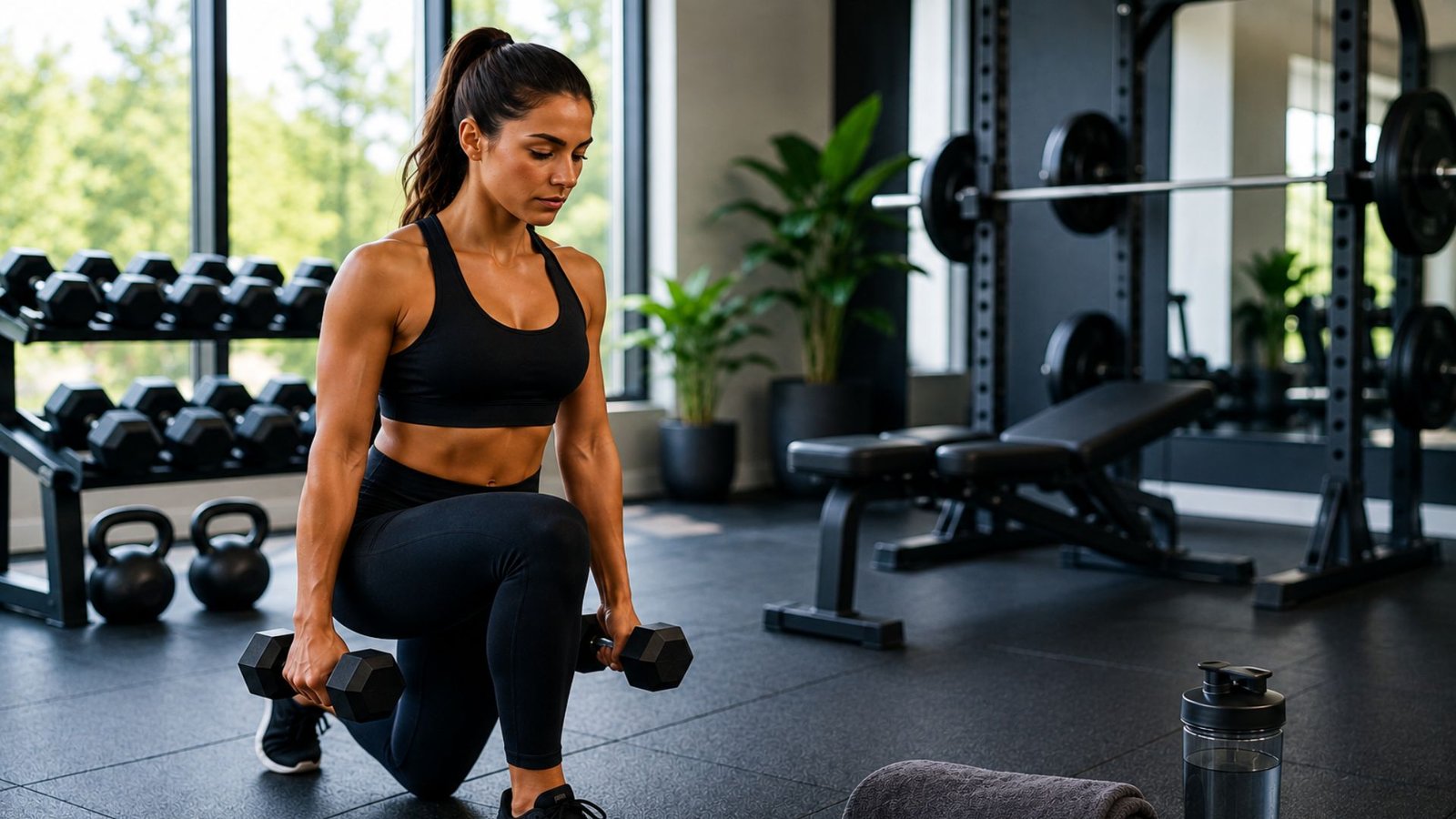
- Day 5: Full-body strength (lunges, incline press, seated row)
- Day 6–7: Rest or active recovery
Upper/Lower Split (Best for Intermediates)
Train 4 days a week, alternating upper and lower body sessions.
- Day 1: Upper body (push and pull)
- Day 2: Lower body (squat pattern focus)
- Day 3: Rest
- Day 4: Upper body (volume and accessories)
- Day 5: Lower body (hinge pattern focus)
- Day 6–7: Rest
Push/Pull/Legs Split (Best for Advanced Lifters)
Train 5–6 days a week with higher overall volume.
- Day 1: Push (chest, shoulders, triceps)
- Day 2: Pull (back, biceps)
- Day 3: Legs (quads, hamstrings, glutes)
- Day 4: Rest or repeat cycle
- Day 5–6: Push/Pull/Legs repeat
- Day 7: Rest
How to Choose the Right Program for You
The best workout program to build muscle is the one that matches your experience level, schedule, and recovery capacity. Ask yourself:
- How many days can I realistically train each week? Choose a split that fits your schedule, not an ideal you can’t sustain.
- How much training experience do I have? Beginners generally respond well to full-body training; advanced lifters typically need higher volume splits.
- How well do I recover? If you’re constantly sore or fatigued, you may need more rest days regardless of which split you choose.

Common Mistakes That Slow Muscle Growth
- Program hopping — switching routines every couple of weeks prevents your body from adapting and showing measurable progress.
- Neglecting progressive overload — lifting the same weights for the same reps month after month stalls growth.
- Skipping recovery — training the same muscle group too frequently without rest limits muscle repair.
- Underestimating nutrition — even a perfect program won’t build muscle without sufficient calories and protein.
- Ignoring form — poor technique limits muscle engagement and increases injury risk.
FAQ: Best Workout Program to Build Muscle
How many days a week should I work out to build muscle?
Most people see the best results training 3–5 days a week, depending on their split and recovery capacity. Beginners often do well with 3 full-body sessions, while more advanced lifters may benefit from 5–6 days.
Is a full-body or split routine better for building muscle?
Both work well. Full-body routines are excellent for beginners and those training fewer days per week, while split routines allow more advanced lifters to increase training volume per muscle group.
How long does it take to see muscle growth?
Most people notice strength improvements within 2–4 weeks and visible muscle growth within 8–12 weeks of consistent training and proper nutrition.
Do I need to lift heavy to build muscle?
Not exclusively. A mix of moderate-to-heavy loads (roughly 6–15 reps per set) with progressive overload is generally most effective for muscle growth.
Can I build muscle without a gym membership?
Yes, with the right approach. Bodyweight training, resistance bands, and home equipment can build muscle effectively, though a gym typically offers more options for progressive overload.
Conclusion
So, what is the best workout program to build muscle? It’s one built on progressive overload, sufficient training volume, compound movements, and real recovery — structured around a schedule you can actually stick to. Whether that’s a full-body routine, an upper/lower split, or a push/pull/legs program, consistency and smart progression will always outperform chasing the “perfect” plan.
Ready to Build Real Muscle with a Program Designed for You?
Generic programs get generic results. At Franklin Personal Training, we design custom muscle-building programs based on your experience level, goals, and schedule — so every session moves you closer to real, visible progress.
Contact us today to schedule your consultation and let’s build a personalized muscle-building program that works as hard as you do.