Do I need supplements to build muscle?
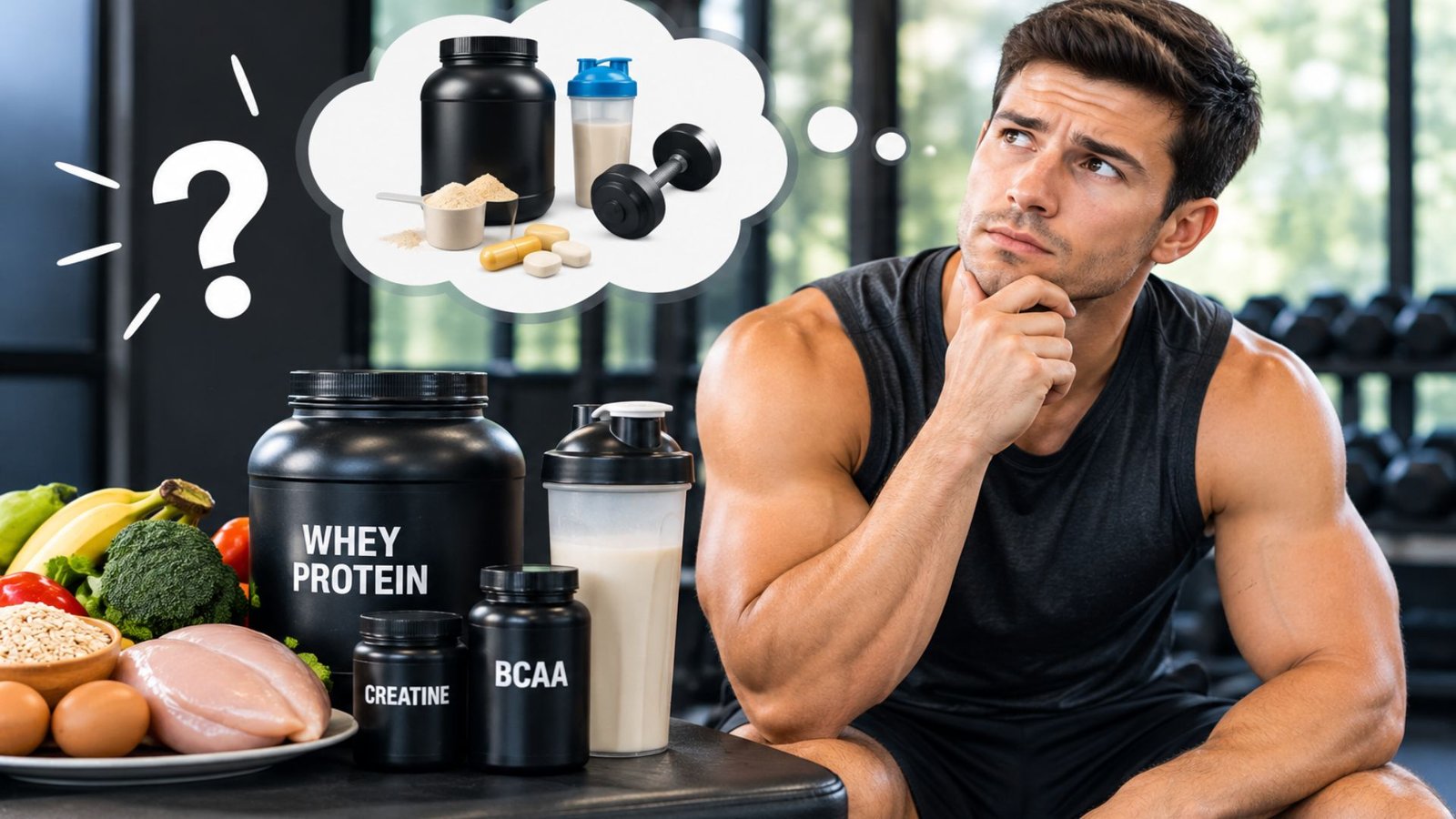
Building muscle does not require a cabinet full of supplements. Most people make the biggest progress from consistent strength training, enough calories, enough protein, good sleep, and patience. If your question is “Do I need supplements to build muscle?”, the practical answer is: no, but a few supplements can be convenient if they help you meet needs you are not already meeting through food and routine.
Do you actually need supplements to build muscle?
No, you do not need supplements to build muscle if your training, food intake, recovery, and consistency are already in place. Supplements are exactly that: additions. They can support a good plan, but they cannot replace progressive resistance training, a protein-rich diet, or recovery habits that allow your body to adapt.
Muscle growth happens when you challenge your muscles repeatedly and give your body the raw materials and rest to repair and grow stronger. Resistance training and protein intake work together to stimulate muscle protein synthesis, which is one reason protein quality and total daily intake matter more than a specific product label. The International Society of Sports Nutrition notes that, for many exercising people, roughly 1.4–2.0 grams of protein per kilogram of body weight per day is sufficient for building or maintaining muscle mass.
That does not mean everyone needs to start counting grams forever. It means you should first ask whether your regular meals are doing the job. If you can eat enough protein from foods such as eggs, yogurt, poultry, fish, tofu, beans, lentils, lean meats, or dairy, a protein powder is optional rather than essential.
The real muscle-building foundation
Before thinking about powders, capsules, or pre-workout drinks, look at the basics. These are less exciting than a new supplement, but they are where most results come from.
A solid muscle-building routine usually includes:
Progressive strength training: Your workouts should gradually become more challenging through added weight, reps, sets, better technique, or improved control.
Enough total food: Building muscle is harder if you consistently under-eat. Some people need a small calorie surplus, while others may gain muscle while maintaining or losing fat, especially if they are newer to training.
Adequate protein: Aim to include a protein source at most meals rather than saving it all for dinner.
Carbohydrates for training energy: Carbs are not mandatory in one exact amount, but they often help fuel harder sessions and better performance.
Recovery time: Muscles grow between workouts, not just during them. Sleep, rest days, and stress management all matter.
Consistency over months: A good plan repeated steadily usually beats an extreme plan followed inconsistently.
If those pieces are missing, supplements will have a limited effect. A shake after a workout will not make up for random training, poor sleep, or skipping meals all day.
Supplements that may be useful
Some supplements are popular because they are convenient, not because they are magic. The best choices are simple, well-studied, and matched to a real need.
Protein powder
Protein powder can help if you struggle to get enough protein from food, have a busy schedule, or need a portable option after training. Whey, casein, soy, pea, and blended plant proteins can all fit, depending on your diet and tolerance. The main benefit is convenience: a shake is easy when cooking is not realistic.
Still, protein powder is not automatically superior to food. Whole foods provide additional nutrients, texture, and satisfaction. If your meals already cover your needs, adding extra shakes may not improve results and may simply add calories you did not need.
Creatine monohydrate
Creatine is one of the more commonly discussed supplements for strength and power training. The NIH Office of Dietary Supplements reports that creatine may improve performance in activities involving short, intense efforts and may help training adaptations over time, though individual responses vary.
Creatine is not a steroid, and it does not build muscle without training. It works best as part of a consistent lifting program. Some people experience stomach discomfort or other side effects, and anyone with medical concerns, kidney issues, pregnancy, medication use, or uncertainty should speak with a qualified health professional first.
Vitamin or mineral supplements
Vitamins and minerals do not directly “force” muscle growth, but deficiencies can affect energy, health, and performance. A supplement may be appropriate if a clinician identifies a deficiency or if your diet pattern makes low intake more likely, such as limited sun exposure, vegan eating without enough B12, or restricted food variety. Health care providers may recommend supplements such as vitamin D or B12 when there is a clear need.
When are supplements worth considering?
Supplements are worth considering when they solve a specific problem you can name. For example, a protein powder may help if you routinely miss your protein target because breakfast is rushed. Creatine may be worth discussing if you are healthy, strength training consistently, and want a simple performance-support option.
Use this quick checklist before buying anything:
Is my training consistent? If not, fix the program first.
Am I eating enough total food? Muscle gain needs energy.
Do I get protein across the day? If not, improve meals before relying on products.
Do I sleep enough to recover? Poor sleep can limit progress.
Can I explain why I need this supplement? If the answer is vague, wait.
Have I checked safety and quality? Choose products carefully, especially if you compete in tested sports or take medication.
This approach keeps supplements in their proper place: useful tools when needed, not the center of the plan.
What to be careful about
Not every muscle-building supplement is safe, effective, or accurately marketed. In the United States, dietary supplements are regulated differently from drugs, and the FDA does not approve supplements for safety and effectiveness before they are sold. That makes it important to be skeptical of dramatic claims, proprietary blends, and products promising rapid transformation.
Be especially cautious with products marketed as extreme fat burners, testosterone boosters, hormone-like muscle builders, or stimulant-heavy pre-workouts. More ingredients do not always mean better results. If a product makes big promises but does not clearly explain what is in it, how much is included, and why it is useful, that is a red flag.
A safer habit is to choose simple products from reputable companies, look for third-party testing when relevant, and avoid combining multiple supplements at once. If you start everything together, you will not know what helped, what caused side effects, or what was unnecessary.
Food-first muscle-building habits
A food-first approach is flexible and realistic. You do not need a perfect diet, but you do need repeated meals that support training.
Try building meals around this simple pattern:
Protein: eggs, Greek yogurt, chicken, fish, lean beef, tofu, tempeh, lentils, beans, cottage cheese, or protein-rich plant alternatives.
Carbohydrates: rice, oats, potatoes, fruit, whole-grain bread, pasta, or beans.
Fats: olive oil, avocado, nuts, seeds, nut butter, or fatty fish.
Color and fiber: vegetables, fruit, legumes, and whole grains to support overall health.
For many people, the easiest upgrade is not a supplement at all. It is adding a protein source to breakfast, preparing a simple lunch, or eating a balanced meal after training instead of waiting hours.
The bottom line
So, do i need supplements to build muscle? No. You need effective strength training, enough food, enough protein, recovery, and consistency. Supplements can help when they fill a real gap, but they should make your plan easier—not distract you from the work that actually drives progress.
Start with the basics for several weeks. If you are training consistently and still have a clear nutrition gap, consider a simple, evidence-informed option such as protein powder for convenience or creatine after checking whether it is appropriate for you. The best muscle-building plan is not the one with the most products; it is the one you can repeat, recover from, and improve over time.