How Many Days a Week Should I Work Out to Lose Fat?

If you’ve ever stared at your calendar trying to figure out how many days a week you should work out to lose fat, you’re not alone. It’s one of the most common questions we hear at Franklin Personal Training, and the honest answer is: it depends on your body, your schedule, and your goals — but there is a science-backed sweet spot most people can start with today.
In this guide, we’ll break down exactly how many days a week you should work out to lose fat, what those workouts should look like, and how to build a routine that actually fits your life instead of fighting against it.
How Many Days a Week Should You Work Out to Lose Fat?
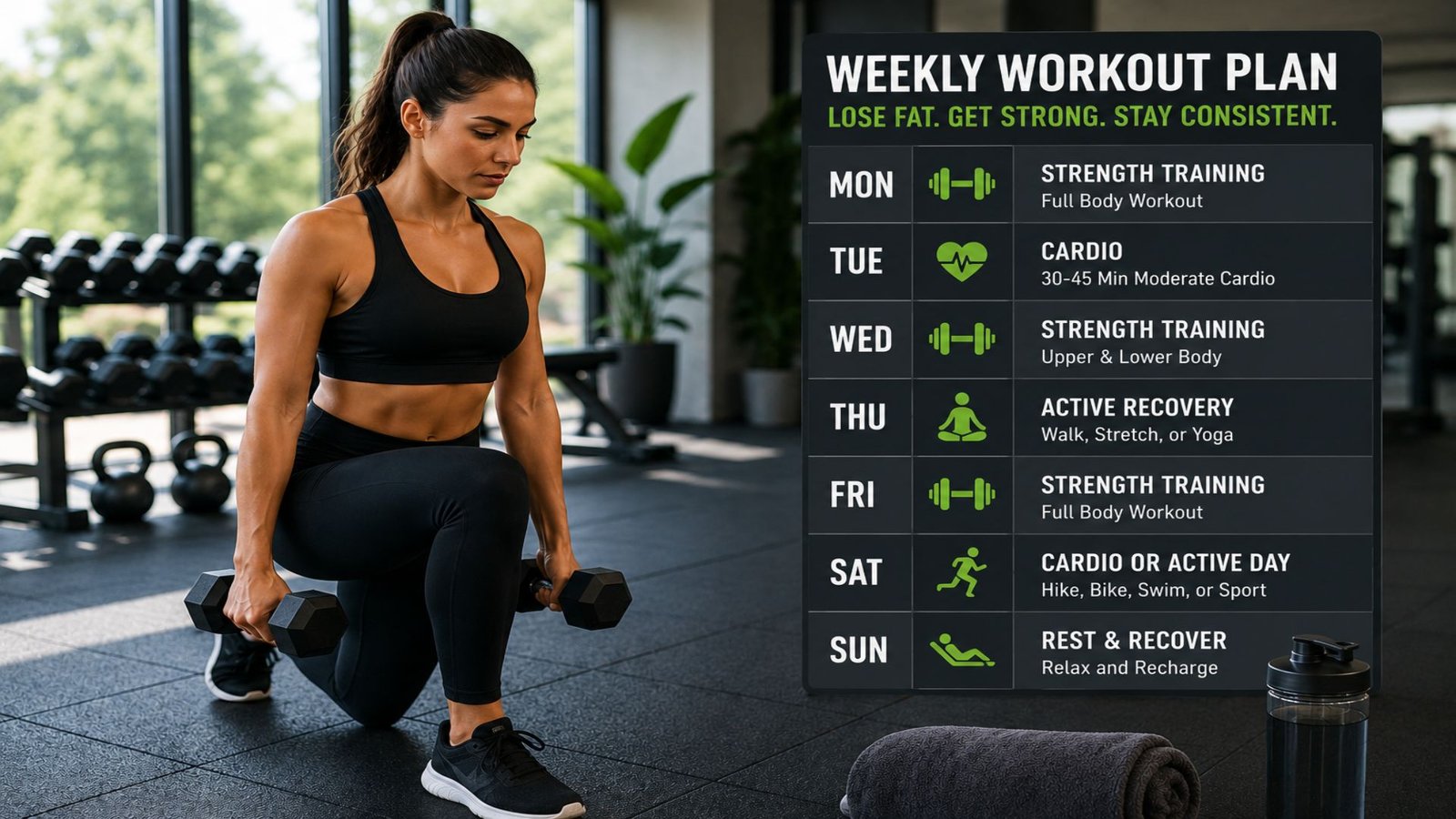
For most adults, working out 4 to 5 days a week offers the best balance of fat loss, muscle preservation, and recovery. This typically includes:
- 2–3 days of strength training
- 2–3 days of cardio or active recovery
- At least 1–2 full rest days
Fewer than 3 days a week usually isn’t enough to create the consistent calorie deficit and metabolic stimulus needed for meaningful fat loss. More than 6 days without proper recovery can lead to burnout, injury, and even stalled progress.
Why Workout Frequency Matters for Fat Loss
Fat loss ultimately comes down to burning more calories than you consume, but how you distribute your workouts across the week directly affects your results, your energy levels, and your ability to stay consistent long-term.
It’s Not Just About Burning Calories
Strength training builds and preserves lean muscle, which raises your resting metabolic rate. Cardio burns calories during the session and improves your cardiovascular capacity. Both matter, and neither works as well without the other.
Consistency Beats Intensity
A realistic 4-day routine you can stick to for six months will beat a punishing 6-day routine you abandon after two weeks. Sustainable frequency is the real key to fat loss.
The Ideal Weekly Workout Split for Fat Loss
Here’s a sample structure we often recommend for clients focused on fat loss:
Beginners (3–4 days per week)
- Day 1: Full-body strength training
- Day 2: Rest or light walking
- Day 3: Full-body strength training
- Day 4: Cardio (30–40 minutes, moderate intensity)
- Day 5: Rest
- Day 6: Optional light activity
- Day 7: Rest
Intermediate to Advanced (5 days per week)
- Day 1: Upper body strength
- Day 2: Cardio or HIIT
- Day 3: Lower body strength
- Day 4: Active recovery (yoga, walking, mobility)
- Day 5: Full-body strength or circuit training
- Day 6: Cardio
- Day 7: Rest
Both approaches include strength training, cardio, and recovery — the three pillars of an effective fat-loss program.
How Many Days a Week Should I Work Out to Lose Fat If I'm a Beginner?
If you’re just starting out, 3 days a week is a great starting point. Your body needs time to adapt to new movement patterns, and overtraining early on is one of the biggest reasons beginners quit.
As your fitness improves, you can gradually add a fourth or fifth day. The goal isn’t to jump straight into a demanding schedule — it’s to build a habit you can sustain.
What Matters More Than Frequency Alone
Workout frequency is important, but it doesn’t work in isolation. These factors play just as big a role in fat loss:
- Nutrition: You can’t out-train a poor diet. A moderate calorie deficit with adequate protein is essential.
- Sleep: Poor sleep disrupts hunger hormones and recovery, making fat loss harder regardless of how often you train.
- Workout intensity: Quality matters as much as quantity — a focused 45-minute session often beats an unfocused 90-minute one.
- Recovery: Muscles adapt and burn fat more efficiently when given time to repair.
Signs You Might Be Working Out Too Much (or Too Little)
Too much: persistent fatigue, poor sleep despite exhaustion, or plateaued results despite more effort.
Too little: minimal progress after 4–6 weeks, workouts that feel too easy, or long gaps between sessions.
If either sounds familiar, it may be time to reassess your weekly structure — something a personal trainer can help you dial in precisely.
Actionable Tips to Build a Fat-Loss Workout Schedule
- Start where you are. If 3 days a week is realistic right now, start there and build up.
- Prioritize strength training. Aim for at least 2 sessions a week to preserve muscle while losing fat.
- Add cardio strategically. Mix moderate-intensity sessions with occasional higher-intensity intervals.
- Schedule rest like a workout. Recovery days aren’t optional — they’re part of the plan.
- Track your progress. Use measurements, photos, or performance metrics, not just the scale.
- Adjust every few weeks. Your body adapts, so your routine should evolve too.
FAQ: How Many Days a Week Should I Work Out to Lose Fat?
Can I lose fat working out only 2 days a week?
It's possible, especially if paired with a solid nutrition plan, but progress will likely be slower. Most people see better and faster results training 3–5 days a week.
Is it better to work out every day for fat loss?
Not necessarily. Daily training without rest can increase injury risk and hinder recovery, which may actually slow fat loss over time. Most people do best with 1–2 rest days built in.
How many days a week should I work out to lose fat and build muscle at the same time?
A 4–5 day split with a mix of strength training and moderate cardio is typically ideal for losing fat while maintaining or building muscle.
Do I need to do cardio every day to lose fat?
No. Strength training also burns calories and boosts metabolism. 2–3 cardio sessions a week combined with strength training is usually sufficient.
How long until I see fat loss results?
Most people notice changes in energy and how clothes fit within 3–4 weeks, with visible fat loss typically becoming noticeable around 6–8 weeks of consistent training and nutrition.
Conclusion
So, how many days a week should you work out to lose fat? For most people, 4–5 days a week, combining strength training, cardio, and adequate recovery, offers the best path to sustainable results. The right frequency ultimately depends on your current fitness level, lifestyle, and goals — but consistency will always outperform perfection.
Fat loss isn’t about pushing yourself to exhaustion every day. It’s about building a realistic, well-structured routine you can maintain long enough to see real change.
Ready to Build a Fat-Loss Plan That Actually Works for You?
Figuring out the right workout frequency is only part of the equation — the real results come from a personalized plan built around your body, your schedule, and your goals. At Franklin Personal Training, we take the guesswork out of it for you.
Contact us today to schedule your consultation and let’s build a fat-loss program designed specifically for you — one that fits your life and delivers results you can see and feel.