How Many Days a Week Should I Do Strength Training?
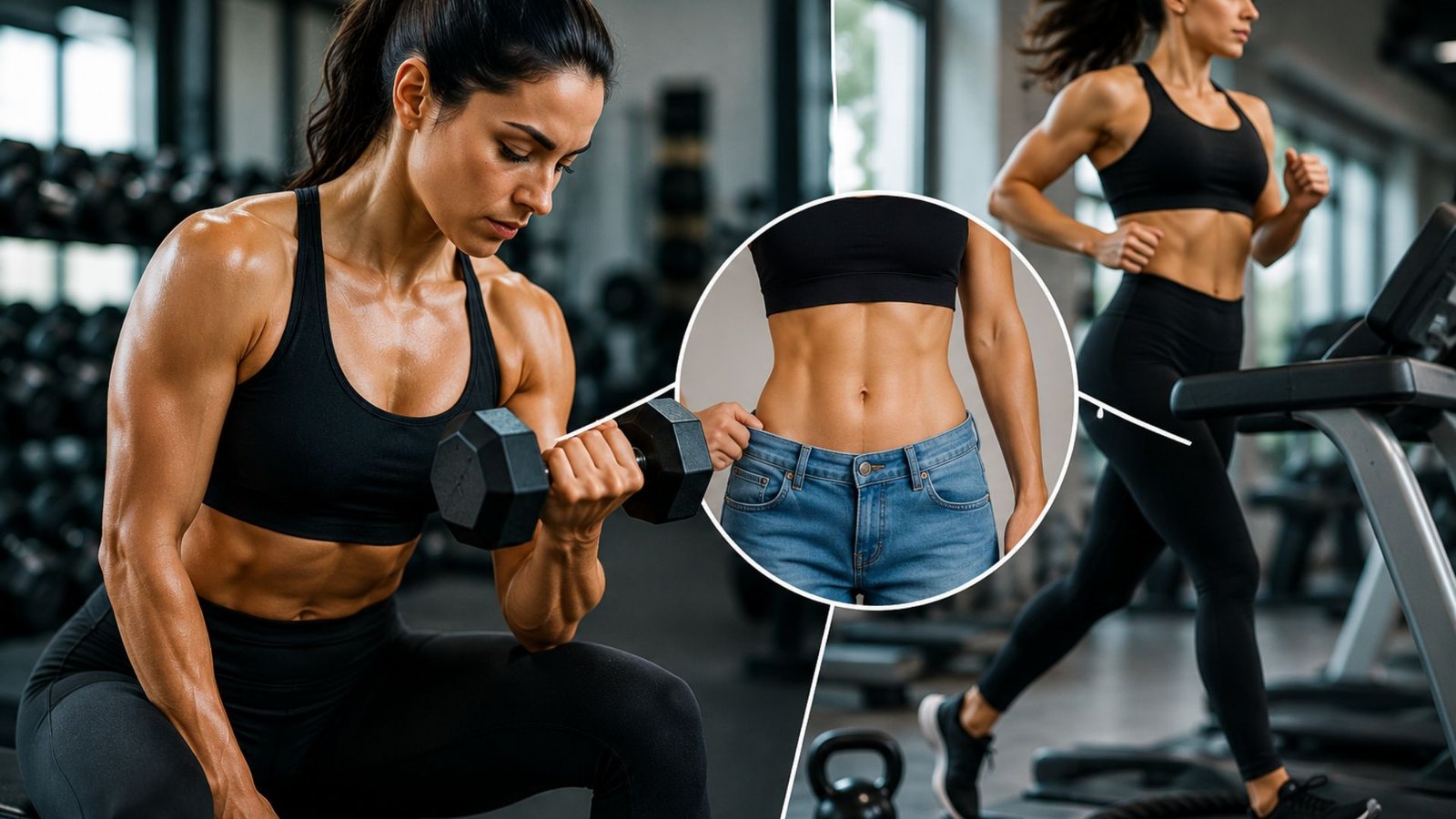
If you’re trying to lose weight, you’ve probably asked yourself, Can strength training help with fat loss? While cardio often gets most of the attention, strength training has become one of the most effective ways to reduce body fat while building a stronger, healthier body.
The truth is that strength training helps with fat loss by increasing muscle mass, boosting metabolism, and helping your body burn more calories throughout the day. In this guide, you’ll learn why strength training should be part of every fat loss plan and how to use it to achieve sustainable results.
What Is Strength Training?
Strength training is a form of exercise that uses resistance to strengthen muscles and improve overall fitness. Resistance can come from:
- Free weights
- Dumbbells
- Barbells
- Resistance bands
- Weight machines
- Bodyweight exercises
Unlike workouts that focus only on burning calories during exercise, strength training creates long-term changes that improve your body’s ability to burn fat efficiently.
Can Strength Training Help with Fat Loss?
Yes. Strength training helps with fat loss by:
- Increasing lean muscle mass
- Raising your resting metabolic rate
- Burning calories during and after workouts
- Preserving muscle while losing weight
- Improving overall body composition
Although cardio burns more calories during a workout, strength training helps your body burn more calories throughout the day by maintaining and building muscle.
How Strength Training Supports Fat Loss
1. Builds Lean Muscle
Muscle tissue burns more calories than fat tissue, even while you’re resting.
The more lean muscle you build, the more calories your body naturally burns throughout the day.
2. Increases Your Metabolism
After an intense strength-training workout, your body continues using energy while repairing muscle tissue.
This process, often called the “afterburn effect,” helps increase calorie expenditure even after you’ve left the gym.
3. Preserves Muscle During Weight Loss
Many people lose muscle along with fat when following restrictive diets.
Strength training helps preserve lean muscle, allowing more of the weight you lose to come from body fat rather than muscle tissue.
4. Improves Body Composition
The number on the scale doesn’t tell the whole story.
Strength training helps you:
- Build lean muscle
- Reduce body fat percentage
- Improve muscle definition
- Create a stronger, more athletic physique
Best Strength Training Exercises for Fat Loss
Focus on compound exercises that work multiple muscle groups at once.
Some of the most effective include:
- Squats
- Deadlifts
- Bench Press
- Lunges
- Pull-Ups
- Rows
- Overhead Press
These exercises increase calorie burn while promoting muscle growth.
Sample Strength Training Routine for Fat Loss
Day 1 – Full Body
- Squats – 3 sets × 10 reps
- Push-Ups – 3 sets × 10 reps
- Bent-Over Rows – 3 sets × 10 reps
- Plank – 3 rounds
Day 2 – Active Recovery
- Walking
- Stretching
- Mobility work
Day 3 – Full Body
- Deadlifts – 3 sets × 8 reps
- Shoulder Press – 3 sets × 10 reps
- Lunges – 3 sets × 10 reps
- Lat Pulldown – 3 sets × 10 reps
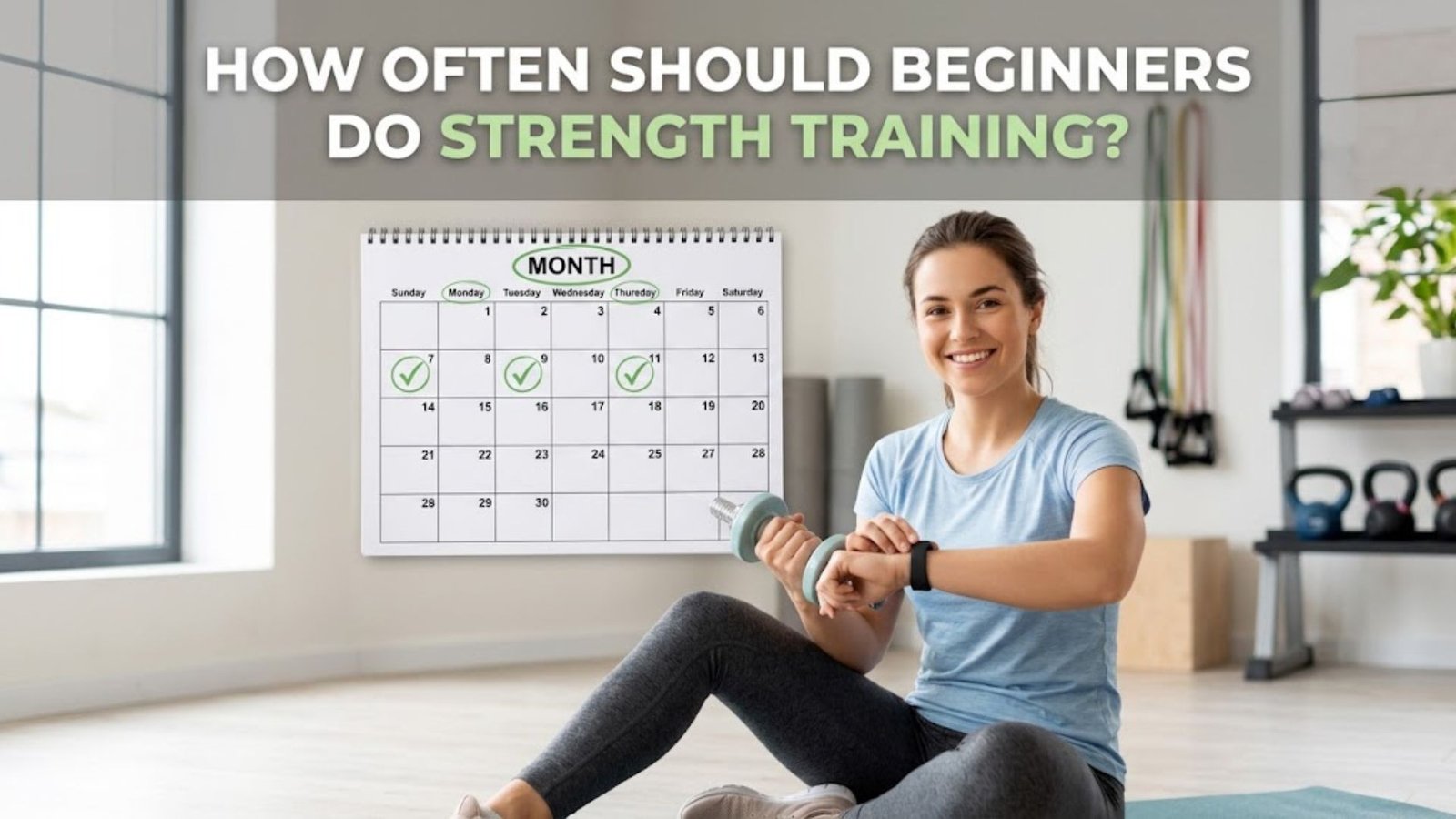
Train 3–4 times per week while allowing adequate recovery.

Tips to Maximize Fat Loss
1. Eat Enough Protein
Protein helps:
- Preserve muscle
- Improve recovery
- Keep you feeling full
Include lean protein at every meal.
2. Maintain a Moderate Calorie Deficit
Fat loss requires burning more calories than you consume.
Avoid drastic calorie restriction, which can reduce energy and muscle mass.
3. Add Daily Movement
Increase activity outside the gym by:
- Walking
- Taking the stairs
- Standing more often
- Staying active throughout the day
4. Prioritize Sleep
Sleep affects:
- Recovery
- Hormone balance
- Hunger regulation
- Workout performance
Aim for 7–9 hours each night.
5. Stay Consistent
The best fat-loss program is one you can maintain long term.
Focus on building healthy habits rather than chasing quick results.
Common Fat Loss Mistakes
Avoid these common errors:
- Doing only cardio
- Skipping strength training
- Eating too little protein
- Training without a plan
- Ignoring recovery
- Expecting overnight results
Small, consistent improvements produce lasting success.
FAQ: Can Strength Training Help with Fat Loss?
1. Is strength training better than cardio for fat loss?
Strength training and cardio both have benefits. Strength training helps preserve muscle and increase metabolism, while cardio increases calorie expenditure. Combining both often produces the best results.
2. How many days should I strength train for fat loss?
Most people benefit from 3–4 strength-training sessions per week, combined with regular physical activity.
3. Will lifting weights make me bulky?
No. Most people develop lean, toned muscle rather than excessive size, especially when eating in a calorie deficit.
4. How long does it take to see fat-loss results?
Many people notice improvements within 4–8 weeks of consistent training and proper nutrition.
5. Do I still need cardio?
Cardio can complement your routine, but strength training should remain the foundation of a sustainable fat-loss program.
Conclusion
So, Can strength training help with fat loss? Absolutely. Strength training not only burns calories during your workouts but also helps preserve muscle, boost metabolism, and improve body composition for long-term success.
When combined with balanced nutrition, regular activity, and proper recovery, strength training becomes one of the most powerful tools for achieving sustainable fat loss. Instead of focusing only on the number on the scale, focus on building a stronger, healthier body that supports lasting results.
Transform Your Body with Expert Strength Training
Ready to lose body fat while building strength and confidence? At Franklin Personal Training, we create personalized strength-training and nutrition programs designed to help you achieve sustainable fat-loss results.
Contact us today to start a customized fitness plan tailored to your goals, lifestyle, and experience level. Together, we’ll help you build strength, burn fat, and become the healthiest version of yourself.