What should I eat before and after a workout?
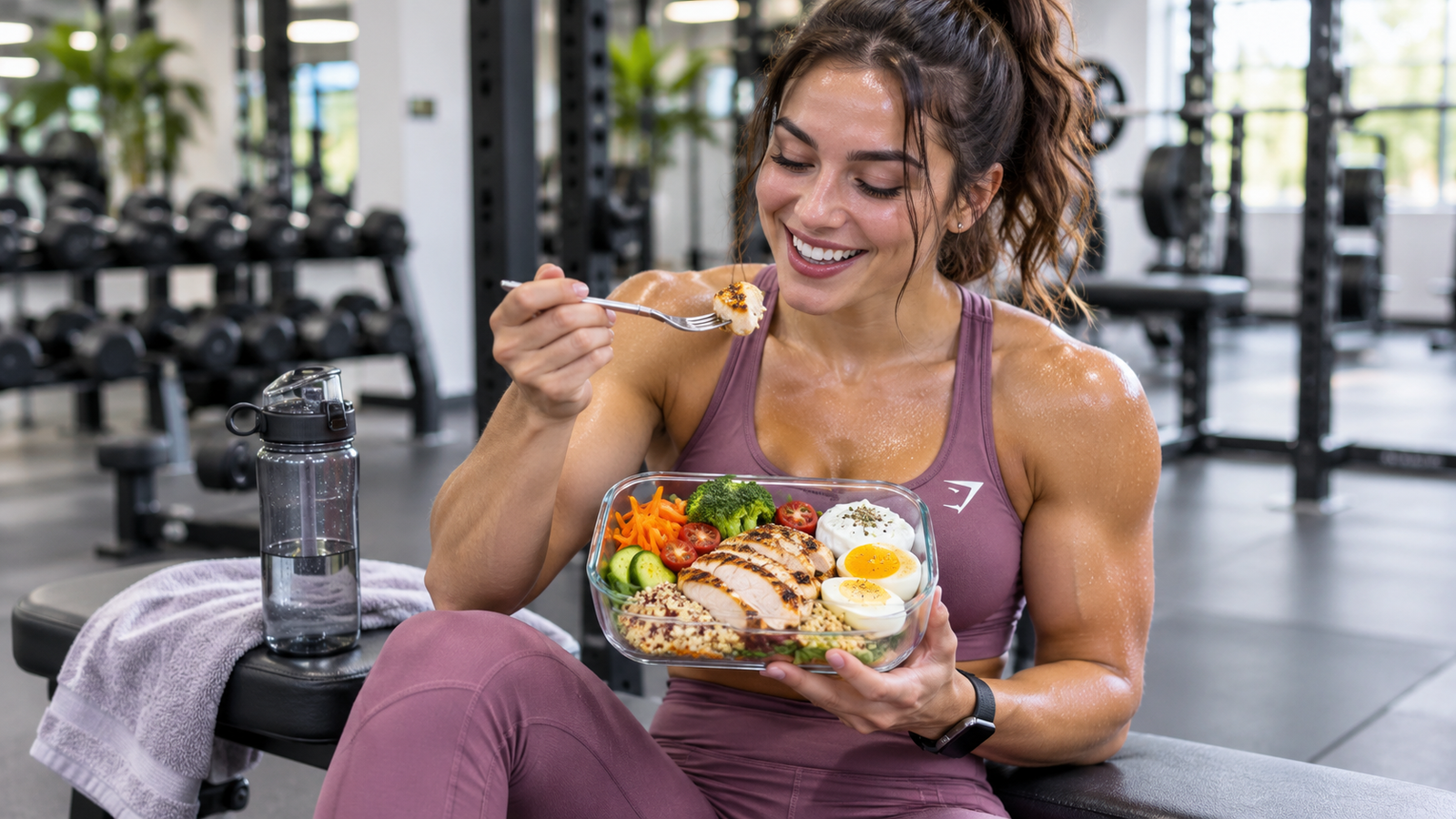
What you eat before and after exercise can affect your energy, workout performance, and recovery. Whether you’re trying to lose body fat, build muscle, or improve your overall fitness, choosing the right foods can help you get more out of every training session.
You don’t need expensive supplements or complicated meal plans to fuel your workouts. A balanced combination of protein, carbohydrates, healthy fats, and water can provide the nutrients your body needs before and after exercise.
So, what should you eat before and after a workout? The answer depends partly on your training schedule, workout intensity, and fitness goals. Here’s how to choose meals and snacks that support your progress.
Why Does Workout Nutrition Matter?
Your body needs energy to perform physical activity. Food provides that energy while supplying nutrients that support muscle function, tissue repair, and recovery.
Eating appropriately before exercise can help you maintain energy and perform your workouts comfortably. After training, your body uses nutrients from food to repair muscle tissue and replenish energy stores.
Good workout nutrition can help you:
Maintain energy during exercise.
Support muscle growth and repair.
Improve workout performance.
Replenish energy after training.
Maintain muscle while working toward fat loss.
Develop consistent, healthy eating habits.
Nutrition and exercise work together. For more information, read How Nutrition Supports Your Personal Training Results.
What Should You Eat Before a Workout?
Before exercising, focus on foods that provide energy without making you feel overly full. A combination of carbohydrates and protein is a practical choice for most workouts.
Carbohydrates provide readily available energy, while protein supplies amino acids that support muscle maintenance and repair.
Your ideal pre-workout meal depends on how much time you have before exercising.
1. If You’re Eating 2–3 Hours Before a Workout
If you have a few hours before training, choose a balanced meal containing carbohydrates, protein, and a moderate amount of healthy fat.
Good options include:
Grilled chicken with brown rice and vegetables.
Oatmeal with Greek yogurt and berries.
Whole-grain toast with eggs and fruit.
Salmon with sweet potatoes.
Turkey sandwich with whole-grain bread.
These meals provide a combination of nutrients to support energy and help you feel satisfied throughout your workout.
Avoid eating an unusually large or heavy meal immediately before exercising, as it may cause stomach discomfort.
2. If You’re Eating 30–60 Minutes Before a Workout
When you have less time before training, choose a smaller, easily digested snack. Focus mainly on carbohydrates, with some protein if it suits your appetite.
Consider these options:
A banana.
Greek yogurt with fruit.
A slice of toast with peanut butter.
A small fruit smoothie.
A few crackers with low-fat cheese.
Keep portions manageable. Foods that are high in fat or fiber can take longer to digest and may cause discomfort during exercise for some people.
3. Best Foods to Eat Before Exercise
Here are some practical food choices and why they can be useful:
Bananas: Provide carbohydrates and potassium, making them a convenient pre-workout snack.
Oatmeal: Contains carbohydrates and fiber that can provide sustained energy when eaten far enough ahead of training.
Eggs: Supply high-quality protein to support muscle maintenance.
Greek yogurt: Provides protein and can be paired with fruit for additional carbohydrates.
Whole-grain bread: Offers carbohydrates that can help fuel physical activity.
Sweet potatoes: Provide carbohydrates along with fiber and other nutrients.
Choose foods based on your digestion, preferences, and workout schedule. You don’t need to eat every item on this list.
What Should You Eat After a Workout?
After exercising, your body needs nutrients to support recovery and replenish energy used during training.
A good post-workout meal should include protein and carbohydrates. Protein provides amino acids that help repair and build muscle tissue, while carbohydrates help restore glycogen, the stored form of energy used by your muscles.
1. Choose a High-Protein Meal
Protein is especially important after resistance training because exercise stimulates muscle protein remodeling.
Good post-workout protein sources include:
Chicken breast.
Fish and salmon.
Eggs.
Lean beef or turkey.
Greek yogurt.
Cottage cheese.
Tofu and tempeh.
Beans and lentils.
Including a protein source in your meal after training helps you meet your overall daily protein needs.
You don’t have to drink a protein shake immediately after your last repetition. A regular meal containing enough protein can work just as well.
2. Add Carbohydrates to Replenish Energy
Carbohydrates help restore muscle glycogen after exercise. This is particularly useful if you’ve completed a demanding workout or have another training session within the next day.
Some good post-workout carbohydrate choices include:
Brown or white rice.
Sweet potatoes.
Oatmeal.
Whole-grain bread.
Bananas and other fruits.
Quinoa.
Potatoes.
Combining carbohydrates with protein creates a balanced meal that supports recovery.
3. Include Vegetables and Healthy Fats
Vegetables provide vitamins, minerals, and fiber that support overall health. Healthy fats also contribute to a balanced diet.
Try adding spinach, broccoli, carrots, or mixed vegetables to your post-workout meal. You can also include moderate portions of avocado, olive oil, nuts, or seeds.
You don’t need to avoid fats after exercise. Just remember that very high-fat meals may take longer to digest, so adjust portions based on your comfort and schedule.
Best Post-Workout Meal Ideas
If you’re unsure what to prepare after exercise, here are some simple meal combinations:
| Meal | Food Combination |
|---|---|
| Breakfast | Scrambled eggs, whole-grain toast, and fruit |
| Lunch | Grilled chicken, rice, and steamed broccoli |
| Dinner | Baked salmon, sweet potato, and vegetables |
| Quick snack | Greek yogurt with berries |
| Smoothie | Milk, banana, and Greek yogurt |
| Vegetarian meal | Tofu, quinoa, and mixed vegetables |
These are general meal ideas. Adjust portion sizes to match your energy needs, appetite, and fitness goals.
For more meal-planning ideas, explore Workout Meal Planner: Fuel Your Fitness Goals the Right Way.
How Long Should You Wait to Eat After a Workout?
You don’t need to rush to eat the moment your workout ends. For most people, having a balanced meal within a couple of hours after training is a practical approach.
If you ate a meal containing protein and carbohydrates before exercising, there’s usually no need to worry about eating immediately afterward.
However, if you trained on an empty stomach or have another workout scheduled soon, eating sooner may be more convenient.
The most important factor is meeting your overall daily nutrition needs rather than focusing on an exact post-workout time window.
Does What You Eat Depend on Your Fitness Goal?
Yes. Your food choices and portion sizes should support what you’re trying to achieve.
If Your Goal Is Fat Loss
If you want to reduce body fat, focus on balanced meals that provide enough protein, fiber, and energy to support your workouts.
Include lean protein, vegetables, fruits, and appropriate portions of carbohydrates. You don’t need to eliminate rice, bread, or other carbohydrate sources to lose fat.
A sustainable calorie deficit, combined with regular exercise, is generally more effective than skipping meals or following extreme diets.
For additional guidance, read How Important Is Nutrition for Fat Loss?.
If Your Goal Is Muscle Building
If you’re trying to build muscle, prioritize adequate protein and enough total calories to support training and recovery.
Include protein-rich foods throughout the day, along with carbohydrates that help fuel demanding workouts.
Examples include chicken with rice, eggs with oatmeal, Greek yogurt with fruit, and salmon with potatoes.
You can learn more about food choices and protein targets in our article, What Is the Best Diet for Building Muscle?.
If Your Goal Is Improving Endurance
For longer cardio sessions, cycling, running, or other endurance activities, carbohydrates become particularly important because they help maintain energy during exercise.
Eat a carbohydrate-rich meal before longer sessions, and consider bringing water and an appropriate source of carbohydrates if your activity lasts a long time.
Your needs will depend on exercise duration, intensity, and environmental conditions.
Don't Forget to Hydrate Before and After Exercise
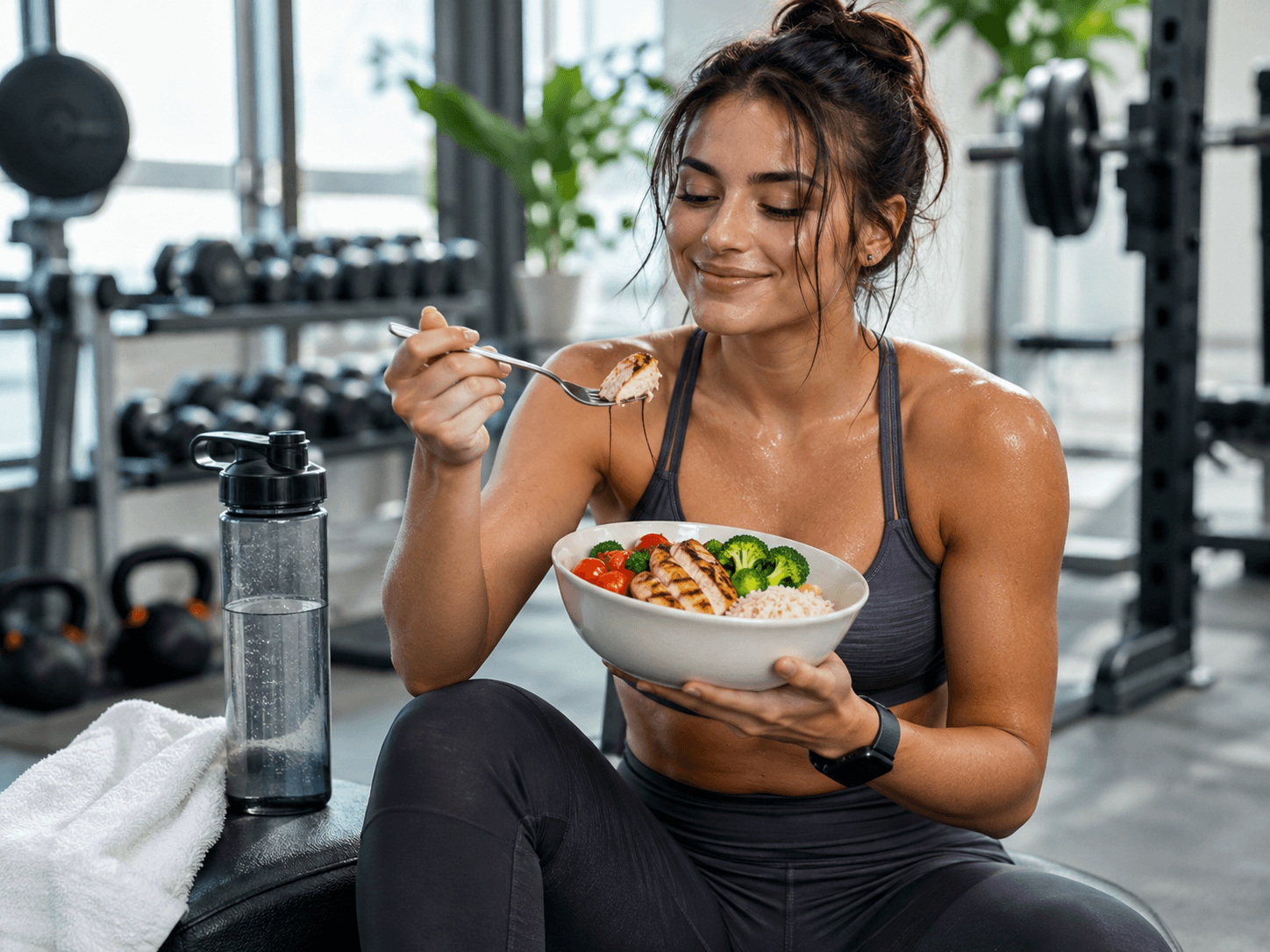
Food isn’t the only part of workout nutrition. Water is essential for regulating body temperature, transporting nutrients, and supporting normal muscle function.
Follow these simple hydration habits:
Drink water regularly throughout the day.
Have some water before starting your workout.
Drink during exercise, especially when training in hot conditions or sweating heavily.
Replace fluids after exercise.
Consider an electrolyte drink for prolonged, demanding sessions with substantial sweating.
For most ordinary workouts, water is sufficient. Sports drinks aren’t necessary for every exercise session.
Common Workout Nutrition Mistakes to Avoid
Even when you exercise regularly, certain eating habits can make it harder to perform well and recover.
Skipping meals before demanding workouts: Training without enough energy may leave you feeling tired. If you need food before exercise, choose a suitable meal or snack.
Eating too much immediately before training: Large meals can cause discomfort. Give yourself enough time to digest before exercising.
Avoiding carbohydrates completely: Carbohydrates provide energy for many types of exercise. Removing them unnecessarily may affect your performance.
Not eating enough protein: Protein supports muscle repair and maintenance. Include protein-rich foods throughout your day.
Forgetting hydration: Dehydration can negatively affect exercise performance, particularly during longer workouts or in hot weather.
Relying entirely on supplements: Protein powders and other supplements can be convenient, but they don’t replace balanced meals and consistent nutrition habits.
Frequently Asked Questions
1. Should I eat before every workout?
Not necessarily. It depends on your workout, appetite, and when you last ate. A small snack can help if you're hungry or haven't eaten for several hours. For shorter, low-intensity sessions, some people are comfortable exercising without an additional meal.
2. Is a banana good to eat before a workout?
Yes. A banana is a convenient source of carbohydrates and is easy to prepare. It can provide energy before strength training, walking, cycling, or other physical activities.
3. What is the best food to eat after a workout?
There isn't one perfect food. A balanced meal containing protein and carbohydrates is a good choice. Examples include chicken with rice, eggs with toast, or Greek yogurt with fruit.
4. Do I need a protein shake after exercising?
No. Protein shakes are optional. You can get the protein you need from foods such as eggs, chicken, fish, dairy, tofu, and beans. A shake can simply be a convenient alternative when a regular meal isn't available.
5. Can I work out on an empty stomach?
Some people can comfortably perform light or moderate exercise without eating beforehand. However, fasted workouts aren't necessary for fat loss, and they may not suit everyone. If you feel weak, dizzy, or uncomfortable, stop exercising and address your nutrition and hydration needs.
Fuel Your Workouts and Get More From Your Training
Knowing what to eat before and after a workout can help you maintain energy, support muscle recovery, and stay consistent with your fitness routine.
Before exercise, choose foods that provide energy without making you feel too full. After training, prioritize protein, carbohydrates, and adequate hydration to support recovery.
Remember that there isn’t one perfect meal plan for everyone. Your nutrition should reflect your workout schedule, fitness goals, appetite, and daily routine.
Ready to improve your training and nutrition habits? Franklin Personal Training can help you work toward your fitness goals with structured training and practical nutrition guidance. Explore the available programs and start building a routine that supports your progress.