What is the best workout plan for fat loss?

Losing body fat requires more than spending hours on a treadmill or doing intense workouts every day. The best workout plan for fat loss combines strength training, cardiovascular exercise, and proper recovery to help you burn calories, maintain muscle, and improve your overall fitness.
If your goal is to lose weight, improve your body composition, or feel stronger and healthier, having a structured exercise routine can make a big difference. Instead of following random workouts, you need a plan that fits your fitness level, schedule, and goals.
So, what is the best workout plan for fat loss? Let’s look at the exercises to include, how often to train, and a sample weekly schedule you can follow.
What Is the Best Workout Plan for Fat Loss?
The best workout plan for fat loss combines two to three strength training sessions with two or three cardio sessions each week, alongside regular daily movement and adequate recovery.
Strength training helps preserve and develop muscle while you lose body fat. Cardio increases your energy expenditure and improves cardiovascular fitness. Together, they provide a balanced approach to improving body composition.
However, exercise alone doesn’t guarantee fat loss. Your nutrition also matters. To lose body fat, you generally need to maintain a manageable calorie deficit over time.
The most effective plan is one you can follow consistently without feeling exhausted or overwhelmed.
5 Essential Components of an Effective Fat Loss Workout Plan
1. Strength Training to Maintain Muscle
Strength training should be a major part of your fat loss routine. When you reduce your calorie intake, resistance exercise helps preserve lean muscle while your body loses fat.
It also improves strength, supports everyday movement, and helps you develop a stronger physique.
Focus on exercises that target multiple muscle groups, including:
Squats or leg presses
Dumbbell rows
Chest presses or push-ups
Lunges
Lat pulldowns
Glute bridges
Planks
Aim for two or three strength sessions per week, depending on your experience and recovery. Start with manageable weights and gradually increase the resistance as your technique improves.
If you’re new to resistance training, read our guide on Beginner Strength Training Routine for practical exercises and a simple workout structure.
2. Cardio to Increase Calorie Expenditure
Cardiovascular exercise helps you burn calories, improve endurance, and support heart health.
You don’t have to run long distances or perform exhausting workouts to benefit from cardio. Choose activities that match your fitness level and that you enjoy doing.
Some effective options include:
Brisk walking
Cycling
Swimming
Jogging
Elliptical training
Low-impact aerobics
Stair climbing
Start with 20 to 30 minutes per session if you’re new to exercise. As your endurance improves, you can gradually increase the duration or intensity.
Consistency matters more than choosing the most difficult cardio exercise.
3. High-Intensity Interval Training (HIIT)
High-intensity interval training involves alternating short periods of harder exercise with recovery periods. For example, you might cycle quickly for 30 seconds, then pedal slowly for 60 seconds.
HIIT can be an efficient way to challenge your cardiovascular system, but it isn’t necessary for everyone.
If you’re a beginner, establish a basic fitness routine first. You can begin with moderate-intensity cardio and introduce short intervals once your fitness and recovery allow.
Avoid doing intense interval workouts every day. They can be demanding, particularly when combined with strength training.
4. Daily Movement and Active Recovery
Your activity outside the gym also contributes to your overall energy expenditure. Walking, taking the stairs, doing household tasks, and moving regularly throughout the day can support your fat loss efforts.
Active recovery is another useful part of a balanced program. On lighter days, try walking, gentle cycling, or stretching instead of performing another demanding workout.
These activities help you stay active while giving your body a break from intense training.
5. Rest and Recovery
More exercise doesn’t always mean better results. Your muscles need time to recover, especially after challenging strength training sessions.
Include rest days in your weekly schedule and aim for consistent, sufficient sleep. If you’re frequently exhausted, unusually sore, or struggling to complete your workouts, you may need to reduce your training intensity.
Recovery helps you maintain a routine over the long term rather than repeatedly pushing yourself until you burn out.
Sample Weekly Workout Plan for Fat Loss
If you’re unsure how to organize your training, this weekly schedule provides a practical starting point. It combines resistance exercise, cardio, and recovery.
| Day | Workout | Duration |
|---|---|---|
| Monday | Full-body strength training | 35–45 minutes |
| Tuesday | Brisk walking or cycling | 25–30 minutes |
| Wednesday | Full-body strength training | 35–45 minutes |
| Thursday | Rest or light walking | 15–20 minutes |
| Friday | Full-body strength training | 35–45 minutes |
| Saturday | Moderate cardio or recreational activity | 30–40 minutes |
| Sunday | Rest and recovery | — |
Adjust the schedule to your experience level. If you’re a beginner, start with two strength sessions and two cardio sessions per week. You can add more activity as your strength and endurance improve.
Example Full-Body Strength Workout
Here are some exercises you can include in your strength training sessions:
| Exercise | Sets | Repetitions |
|---|---|---|
| Squats | 2–3 | 10–12 |
| Chest Press | 2–3 | 10–12 |
| Seated Rows | 2–3 | 10–12 |
| Lunges | 2 | 8–10 per leg |
| Glute Bridges | 2–3 | 12–15 |
| Planks | 2 | 20–30 seconds |
Choose weights that challenge you while allowing you to maintain proper form. Rest between sets as needed, and increase resistance gradually.
Does Nutrition Matter When Following a Fat Loss Workout Plan?
Yes. Your workout routine and eating habits need to work together if you want to reduce body fat.
Exercise increases your energy expenditure, but your overall calorie balance plays a major role in weight loss. A sustainable calorie deficit, combined with regular physical activity, can help you lose fat while maintaining your strength.
Build your meals around:
Protein: Chicken, fish, eggs, lean meat, beans, and Greek yogurt.
Vegetables: Broccoli, spinach, carrots, and other fiber-rich options.
Complex carbohydrates: Oats, brown rice, potatoes, and whole grains.
Healthy fats: Avocados, nuts, seeds, and olive oil.
Fruits: Apples, berries, bananas, and oranges.
Avoid relying on extreme diets or skipping meals to speed up results. Instead, focus on balanced portions and eating habits you can maintain.
For more guidance, read What Foods Should I Avoid When Trying to Lose Fat?.
How Many Days a Week Should You Work Out to Lose Fat?
For many people, three to five workout days per week can provide a good balance between activity and recovery.
Your ideal schedule depends on your current fitness level, available time, and ability to recover.
Beginners can start with three days per week, combining two strength sessions and one cardio session. As they become more comfortable, they can gradually add another workout day or increase their daily walking.
People with more training experience may prefer a schedule that includes three strength sessions and two cardio sessions.
The important thing is to avoid comparing your routine with someone else’s. A manageable plan that you can follow consistently is more useful than an intense schedule that you struggle to maintain.
Read our article on How Many Days a Week Should I Work Out to Lose Fat? for more information about planning your weekly workouts.
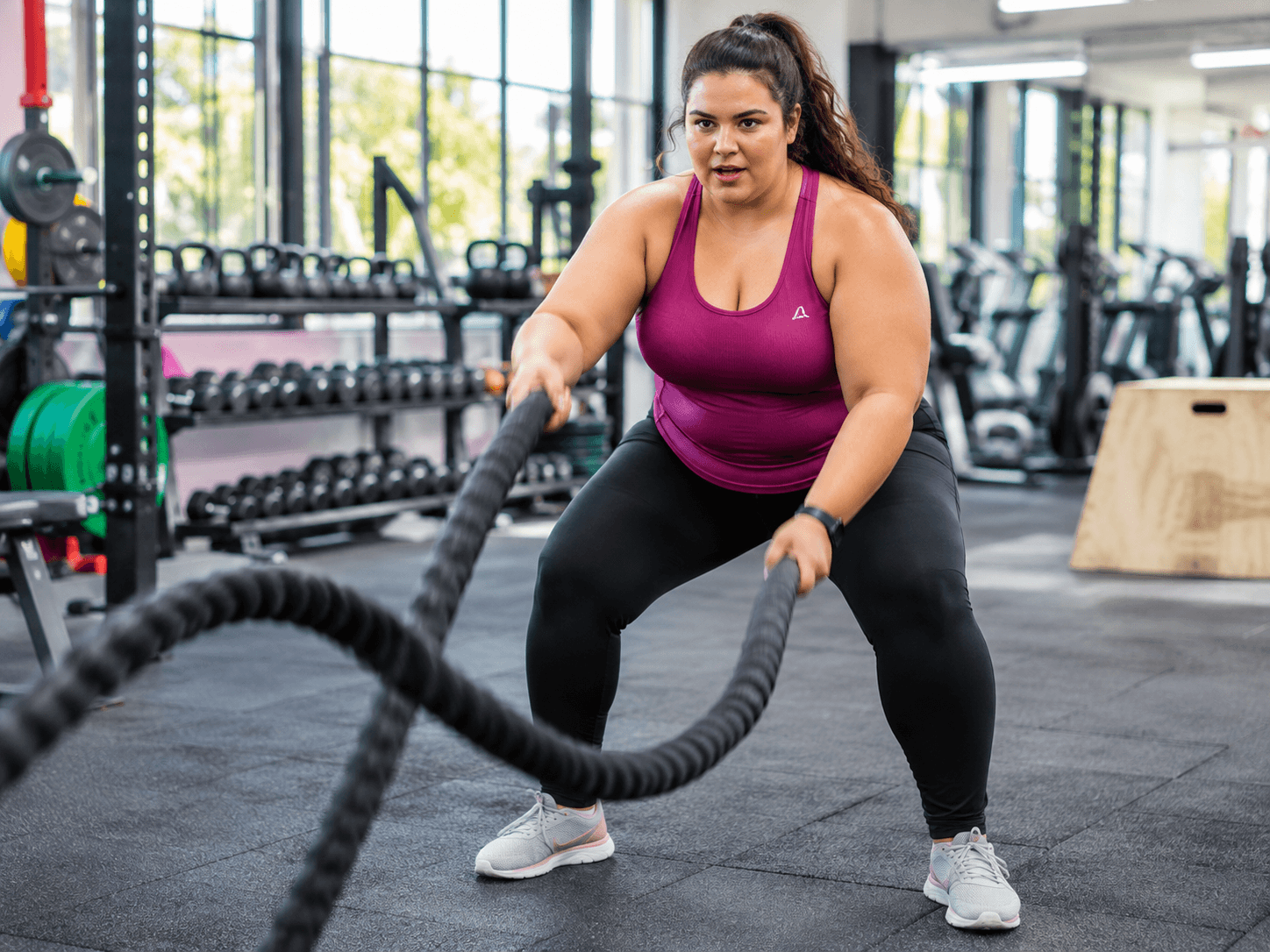
Common Mistakes to Avoid When Training for Fat Loss
Even with a good workout plan, certain habits can make progress more difficult.
Doing cardio without strength training: Cardio is useful, but resistance exercise helps maintain muscle while losing weight. Include both in your routine.
Training too intensely every day: Your body needs recovery. Constantly performing demanding workouts can lead to fatigue and make consistency harder.
Following random workout routines: Changing exercises every day makes it difficult to measure progress. Follow a structured plan and adjust it when necessary.
Ignoring nutrition: Exercise is only one part of fat loss. Pay attention to food portions, protein intake, and overall eating habits.
Expecting quick results: Body composition changes take time. Track your progress through strength improvements, measurements, energy levels, and how your clothes fit, rather than relying only on the scale.
Frequently Asked Questions
1. What exercise burns the most fat?
Exercises that use large muscle groups and involve sustained or intense movement can burn substantial calories. Running, cycling, swimming, and circuit training are common options. However, the best exercise is one you can perform consistently and safely.
2. Is strength training or cardio better for fat loss?
Both have benefits. Cardio increases calorie expenditure and improves cardiovascular fitness, while strength training helps maintain and develop muscle. Combining them provides a more balanced fat loss approach.
3. Can I lose fat by working out three days a week?
Yes. Three weekly workouts can support fat loss when combined with balanced nutrition and regular daily movement. A practical schedule could include two strength sessions and one cardio session.
4. How long should a fat loss workout last?
Many people can complete an effective workout in 30 to 60 minutes. The ideal duration depends on the exercises, intensity, and fitness level. Longer workouts aren't automatically better.
5. Should I do HIIT every day to lose fat?
No. HIIT can be demanding, and daily high-intensity sessions may interfere with recovery. Most people benefit from combining moderate cardio, strength training, and occasional interval sessions when appropriate.
Build a Fat Loss Workout Plan That Fits Your Goals
The best workout plan for fat loss isn’t about exercising as hard as possible every day. It’s about combining strength training, cardio, proper nutrition, and recovery in a way that fits your lifestyle.
Start with a realistic weekly schedule, focus on exercises you can perform correctly, and gradually increase the challenge as your fitness improves. Small, consistent improvements can add up over time.
Ready to take control of your fitness goals? Franklin Personal Training can help you find a structured training approach that supports your fat loss goals and current fitness level. Explore the available programs and take the next step toward becoming stronger, healthier, and more confident.