Can beginners build muscle with personal training?
Building muscle can seem intimidating when you’re new to fitness. You might not know which exercises to perform, how much weight to lift, or how often you should train. The good news is that beginners can build muscle with personal training, even without previous gym experience.
Working with a personal trainer gives you a structured starting point. Instead of guessing your way through workouts, you’ll learn proper exercise techniques, follow a program designed around your goals, and gradually increase the challenge as your body gets stronger.
Whether you want to develop more muscle, improve your overall strength, or feel more confident in the gym, personal training can help you build the right habits from the beginning.
Can Beginners Build Muscle With Personal Training?
Yes. Beginners can build muscle with personal training by following a consistent resistance training program, eating enough to support muscle growth, and allowing adequate time for recovery.
A personal trainer helps make the process easier by selecting appropriate exercises, teaching correct form, and adjusting the program as your fitness level improves.
You don’t need to start with heavy weights or complicated workout routines. In fact, beginners often benefit from mastering basic movements before moving on to more demanding exercises.
A well-planned beginner program focuses on gradual improvement. Over time, you’ll become more comfortable with resistance training, develop better movement control, and increase the amount of work your muscles can handle.
6 Ways Personal Training Helps Beginners Build Muscle
1. You Get a Workout Plan Based on Your Fitness Level
One of the biggest challenges for beginners is knowing where to start. Online workout videos and generic fitness plans can offer ideas, but they may not account for your experience, strength, schedule, or limitations.
A personal trainer can assess your starting point and create a program that matches your current abilities.
Your initial plan may include basic exercises such as:
Squats or leg presses
Chest presses or modified push-ups
Seated rows or dumbbell rows
Lat pulldowns
Glute bridges
Planks and other core exercises
These movements train major muscle groups and help you develop a foundation for more advanced workouts.
As your strength improves, your trainer can adjust the exercises, resistance, sets, and repetitions to keep your program challenging.
2. You Learn Proper Exercise Form
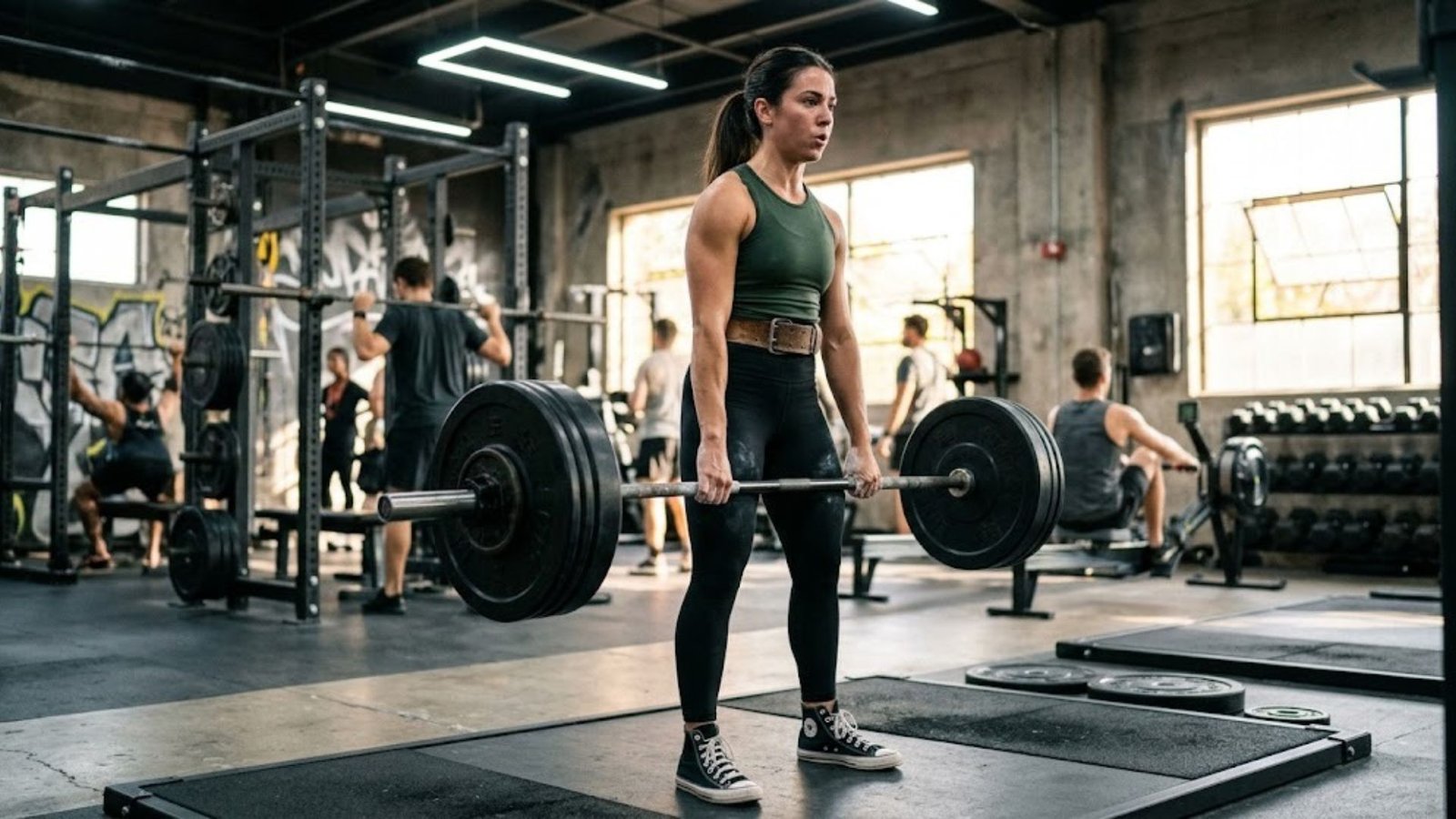
Correct technique matters when you’re learning to lift weights. Performing an exercise incorrectly can make it harder to target the intended muscles and may increase the risk of injury.
A personal trainer can demonstrate each movement, observe your technique, and provide corrections when needed.
For example, when learning to squat, you’ll practice controlling your movement, maintaining a stable position, and using a comfortable range of motion. As you improve, you can gradually add resistance.
Learning these fundamentals early helps you become more independent and confident during your workouts.
3. Your Training Progresses as You Get Stronger
Muscles need an increasing challenge to continue adapting. This principle is known as progressive overload.
It doesn’t mean you have to lift heavier weights during every workout. Progress can also come from:
Completing more repetitions with the same weight
Adding another set when appropriate
Improving your exercise technique
Increasing your range of motion
Performing exercises with better control
A trainer tracks your performance and helps determine when it’s appropriate to increase the difficulty.
This prevents you from repeating the same routine without progress or advancing too quickly before you’re ready.
4. You Stay Consistent and Accountable
Consistency is one of the biggest factors in building muscle. A few intense workouts won’t produce the same long-term results as a routine you can follow week after week.
Personal training provides scheduled sessions and someone who can help you stay accountable.
Your trainer can also adjust your schedule when work, family responsibilities, or other commitments make it difficult to follow your original plan.
If you’re unsure how frequently you should exercise, read our guide on How Often Should Beginners Do Strength Training?.
5. You Get Guidance on Nutrition and Recovery
Muscle growth doesn’t happen through exercise alone. Your body also needs enough energy, protein, and recovery time to adapt to resistance training.
A personal trainer can help you understand the role of nutrition in your fitness goals and encourage practical habits that support your workouts.
Focus on including protein-rich foods such as chicken, fish, eggs, dairy products, beans, and tofu in your meals. Carbohydrates provide energy for training, while healthy fats support overall nutrition.
Sleep and rest days are equally important. Your muscles need time to recover between challenging sessions, so training the same muscle groups hard every day isn’t necessary.
You can learn more about the fundamentals in our article, Do I Need Supplements to Build Muscle?.
6. You Can Adjust Your Program as Your Goals Change
Your fitness goals may become more specific as you gain experience. You might begin by wanting to get stronger, then decide to focus on developing your legs, improving upper-body strength, or building more overall muscle.
A personal trainer can modify your program to reflect those changes.
For example, your initial workouts may emphasize full-body training and fundamental movements. Later, you may benefit from additional exercises or a different weekly schedule to target particular muscle groups.
This flexibility helps keep your training relevant as you progress.
What Does a Beginner Muscle-Building Program Look Like?
Most beginners can start with two or three full-body strength training sessions per week, with rest days between workouts.
A full-body routine is practical because it trains several major muscle groups without requiring you to spend every day at the gym.
Here’s an example of a simple three-day schedule:
| Day | Workout Focus | Example Exercises |
|---|---|---|
| Monday | Full Body | Squats, chest press, seated rows, planks |
| Tuesday | Recovery | Walking or light stretching |
| Wednesday | Full Body | Leg press, lat pulldowns, shoulder press, glute bridges |
| Thursday | Recovery | Rest or light activity |
| Friday | Full Body | Lunges, dumbbell rows, chest press, core exercises |
| Saturday | Active Recovery | Walking or recreational activity |
| Sunday | Rest | Recovery |
A trainer can adjust the exercises, number of sets, repetitions, and resistance based on your experience and recovery.
For more ideas, explore What Is the Best Workout Program to Build Muscle?. It explains different training structures and why full-body workouts can be a good starting point for beginners.
How Long Does It Take for Beginners to Build Muscle?
Muscle growth takes time, but beginners can often notice improvements in strength relatively early.
During the first few weeks, much of your progress may come from learning movements and improving how your nervous system coordinates muscle activity. As you continue training, physical changes may become more noticeable.
Your results depend on several factors, including:
Training consistency: Following your program regularly helps your muscles adapt.
Nutrition: Eating enough calories and protein supports muscle repair and growth.
Recovery: Rest and sleep help your body adapt between workouts.
Training experience: Beginners may experience noticeable early improvements as they learn resistance training.
Individual differences: Age, genetics, starting fitness level, and lifestyle can affect your progress.
For a more detailed timeline, read How Long Does It Take to Build Muscle With a Personal Trainer?.
Remember that progress isn’t measured only by appearance. Lifting more weight with good form, completing more repetitions, and feeling more confident during workouts are also meaningful signs of improvement.
Common Mistakes Beginners Should Avoid When Building Muscle
Starting a muscle-building program is easier when you know which habits can slow your progress.
Lifting too heavy too soon: Trying to match someone else’s weights can lead to poor technique. Start with a manageable resistance and increase it gradually.
Changing workout routines too frequently: Your body needs time to adapt to a program. Follow a consistent routine long enough to track your progress.
Skipping rest days: More workouts don’t automatically mean more muscle growth. Allow your body to recover between challenging sessions.
Not eating enough: Insufficient food intake can make it harder to support training and recovery. Build balanced meals that provide adequate energy and protein.
Expecting immediate results: Muscle development is gradual. Focus on consistent training and improvements in strength rather than expecting major physical changes in a few weeks.
Frequently Asked Questions
1. Is personal training worth it for beginners who want to build muscle?
Personal training can be valuable for beginners because it provides structured workouts, exercise instruction, and guidance on how to progress. It can help you avoid common training mistakes and build confidence as you learn.
2. How many days a week should a beginner train to build muscle?
Most beginners can start with two or three strength training sessions per week. Full-body workouts with recovery days between sessions provide a manageable way to train major muscle groups consistently.
3. Can beginners build muscle without lifting heavy weights?
Yes. Beginners can build muscle using manageable resistance, including dumbbells, resistance machines, bands, and bodyweight exercises. The key is to challenge the muscles appropriately and gradually increase the difficulty.
4. Do beginners need a personal trainer to build muscle?
No. You can build muscle without hiring a personal trainer. However, working with one can make it easier to learn proper technique, follow a structured program, and track your progress.
5. What should beginners eat to build muscle?
A balanced diet should include protein sources such as eggs, chicken, fish, dairy, beans, and tofu, along with carbohydrates, healthy fats, fruits, and vegetables. Your overall food intake should support your training and recovery needs.
Start Building Muscle With Personal Training in Franklin
You don’t need years of gym experience to begin building muscle. With the right training plan, proper exercise technique, and consistent effort, you can develop strength and make meaningful progress from the ground up.
Personal training can help you understand what to do, how to perform each exercise, and when to make your workouts more challenging. Instead of feeling overwhelmed by complicated routines, you’ll have a clear path toward your fitness goals.
Ready to start building muscle? Explore Franklin Personal Training and find a training approach that fits your experience, schedule, and goals. Take the first step toward becoming stronger and more confident.