What Are the Benefits of Strength Training?

If you’ve ever wondered what are the benefits of strength training, the short answer is: far more than most people expect. Strength training does far more than build muscle — it improves metabolic health, protects your joints, strengthens your bones, and supports long-term independence as you age.
At Franklin Personal Training, we work with clients who are surprised to learn that lifting weights isn’t just for bodybuilders or athletes. It’s one of the most effective tools available for improving overall health, regardless of age, gender, or fitness level. In this guide, we’ll break down exactly what strength training does for your body and why it deserves a place in almost everyone’s routine.
Quick Answer: What Are the Benefits of Strength Training?
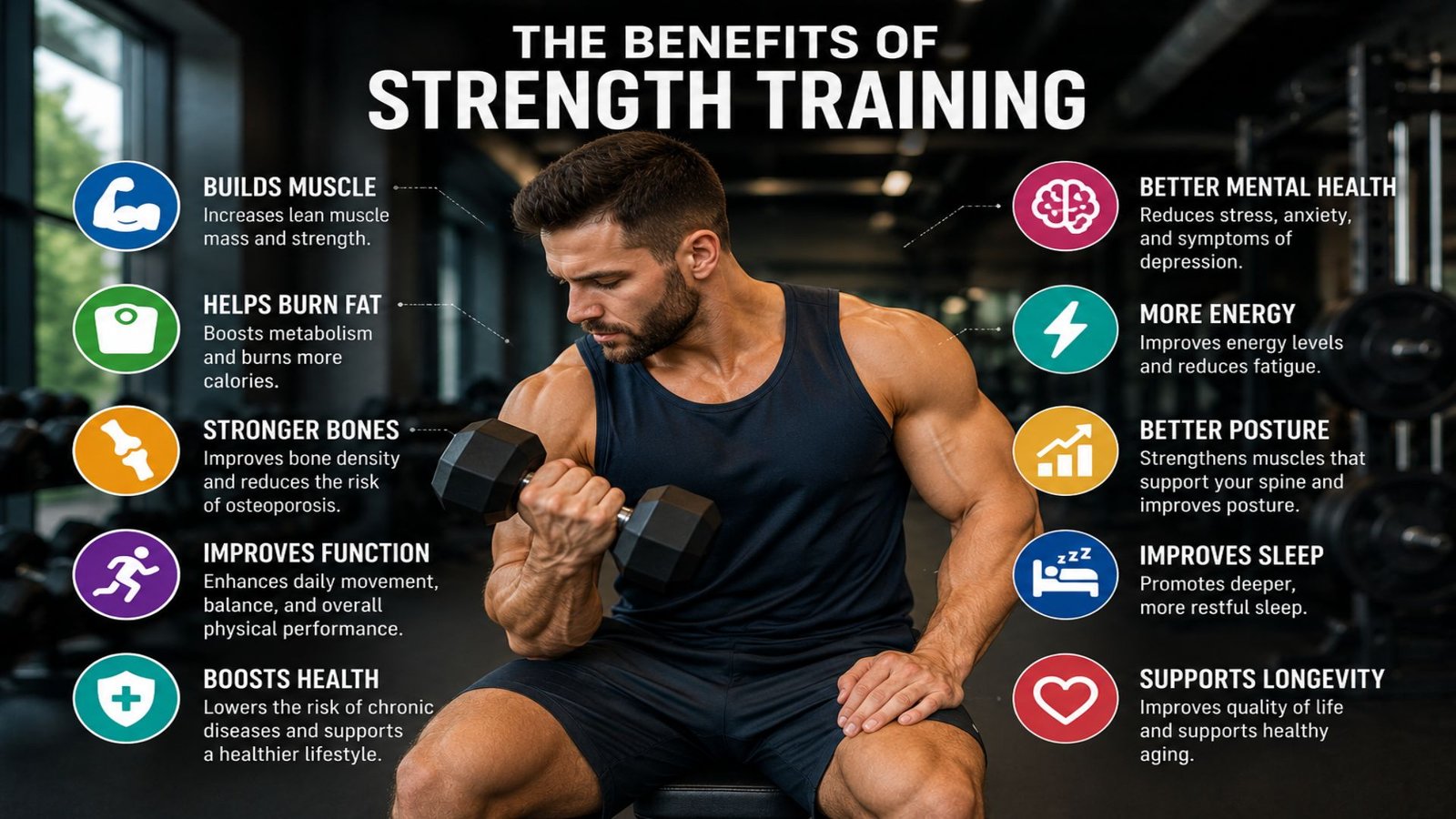
Strength training offers a wide range of physical and mental health benefits, including:
- Increased muscle mass and strength
- A faster resting metabolism
- Stronger bones and reduced fracture risk
- Better joint stability and reduced injury risk
- Improved insulin sensitivity and blood sugar control
- Enhanced mental health and cognitive function
- Greater functional independence, especially with age
These benefits apply whether your primary goal is fat loss, athletic performance, or simply staying healthy and mobile for years to come.
Physical Benefits of Strength Training
1. Builds and Preserves Muscle Mass
Strength training is the most effective way to build lean muscle. It’s also essential for preserving muscle as you age — after age 30, adults naturally lose muscle mass each decade without resistance training to counteract it.
2. Boosts Metabolism
Muscle tissue burns more calories at rest than fat tissue. By increasing your lean muscle mass, strength training raises your resting metabolic rate, making it easier to manage weight and body composition long-term.
3. Strengthens Bones and Reduces Fracture Risk
Weight-bearing exercise stimulates bone density, which becomes increasingly important with age. Strength training is one of the most effective ways to reduce the risk of osteoporosis and fractures later in life.
4. Improves Joint Health and Stability
Strengthening the muscles around your joints improves stability and can reduce pain associated with conditions like arthritis. It also lowers your risk of injury during everyday movement and other physical activity.
5. Supports Better Blood Sugar Control
Resistance training improves how effectively your muscles use glucose, which helps regulate blood sugar and can lower the risk of developing type 2 diabetes.
Mental and Cognitive Benefits of Strength Training
Reduces Stress and Anxiety
Physical activity, including strength training, triggers the release of endorphins and reduces levels of cortisol, the body’s primary stress hormone.
Improves Sleep Quality
Regular resistance training has been shown to improve both the duration and quality of sleep, which in turn supports recovery, mood, and overall health.
Supports Cognitive Function
Emerging research suggests strength training may support brain health, including memory and executive function, particularly in older adults.
Builds Confidence and Discipline
There’s a psychological benefit that comes from consistently getting stronger. Watching your progress unfold — lifting heavier, moving better — builds real, lasting confidence.
Long-Term and Functional Benefits
Strength training isn’t just about how you look or perform in the gym — it directly impacts your quality of life.
- Improved posture from strengthening the muscles that support your spine.
- Greater functional independence, especially as you age, by maintaining the strength needed for daily tasks like carrying groceries or climbing stairs.
- Reduced fall risk through improved balance, coordination, and lower-body strength.
- Better athletic performance across virtually any sport or physical activity.
- Longer, healthier lifespan, as research consistently links resistance training with reduced all-cause mortality.
Who Benefits from Strength Training?
The short answer: almost everyone. Strength training is beneficial for:
- Beginners looking to build a foundation of overall fitness
- Busy professionals wanting efficient workouts with lasting results
- Older adults aiming to maintain independence and bone health
- Athletes looking to improve performance and reduce injury risk
- Anyone focused on fat loss, since muscle supports a healthier metabolism
How to Get Started with Strength Training
- Start with fundamental movement patterns — squat, hinge, push, pull, and carry.
- Prioritize proper form before adding heavier weight.
- Train 2–3 times per week to start, allowing recovery between sessions.
- Progress gradually by increasing weight, reps, or sets over time.
- Consider working with a trainer to build a safe, effective program tailored to your goals.
FAQ: Benefits of Strength Training
What are the benefits of strength training for weight loss?
Strength training builds lean muscle, which increases your resting metabolic rate and helps your body burn more calories throughout the day, even when you're not exercising.
Is strength training safe for older adults?
Yes, and it's especially beneficial. Strength training helps older adults maintain muscle mass, bone density, and balance, all of which reduce the risk of falls and support independence.
How often should I strength train to see benefits?
Most people begin seeing improvements in strength and energy within 2–4 weeks of training 2–3 times per week, with more noticeable physical changes appearing over 8–12 weeks.
Can strength training help with mental health?
Yes. Strength training has been shown to reduce symptoms of anxiety and depression, largely through hormonal changes, improved sleep, and increased self-confidence.
Do I need to lift heavy weights to see benefits?
No. Even moderate resistance training performed consistently, with proper progressive overload over time, provides significant health benefits.
Conclusion
So, what are the benefits of strength training? From building muscle and boosting metabolism to protecting your bones, joints, and mental health, strength training is one of the most valuable investments you can make in your long-term health. Whether your goal is fat loss, performance, or simply staying strong and independent as you age, the benefits reach far beyond the gym.
Ready to Experience the Benefits of Strength Training for Yourself?
Getting started with strength training doesn’t have to be intimidating. At Franklin Personal Training, we build personalized programs that meet you exactly where you are and help you build real, lasting strength safely and effectively.
Contact us today to schedule your consultation and start experiencing the physical and mental benefits of strength training firsthand.