Can beginners work with a personal trainer?
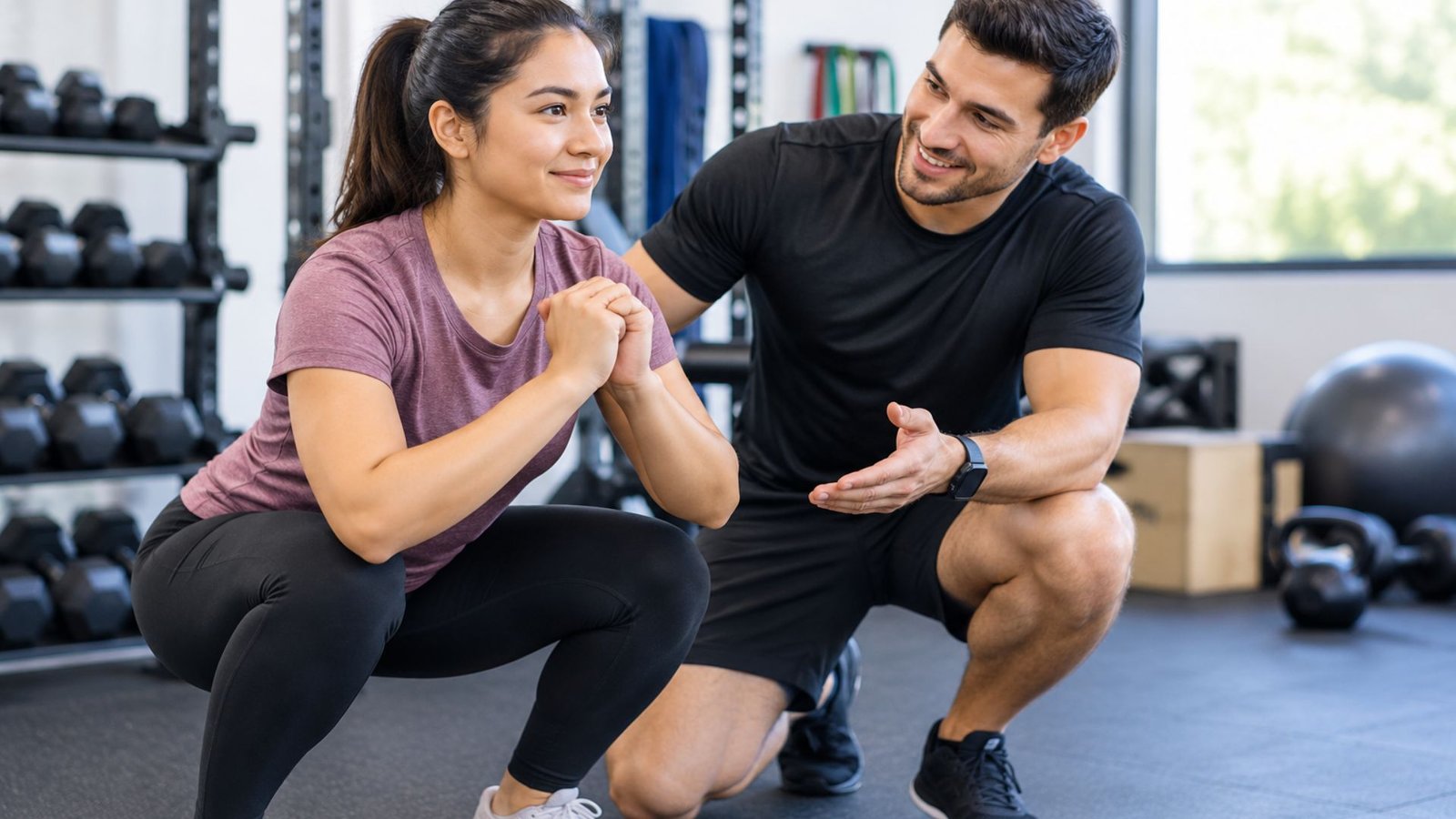
Working with a trainer is not only possible for beginners—it is often one of the safest and most confidence-building ways to start. A personal trainer for beginners can teach proper form, help you choose realistic goals, and build a routine that fits your current fitness level instead of forcing you into a program meant for someone else. This guide explains how to start with Franklin Personal Training, what to expect, and how to get the most from your first sessions.
Can beginners work with a personal trainer?
Yes, beginners can absolutely work with a personal trainer, even if they have never followed a workout plan before. A good trainer meets you where you are, explains each movement clearly, and adjusts exercises so they feel challenging but manageable. For many people, the biggest benefit is not just the workout itself—it is learning how to train safely, stay consistent, and stop guessing what to do next.
If you feel nervous, that is normal. Beginners often worry they are too out of shape, too inexperienced, or too unsure of gym equipment to begin. In reality, those are exactly the reasons personal training can help: you get structure, feedback, and support from the start.
Prepare before your first session
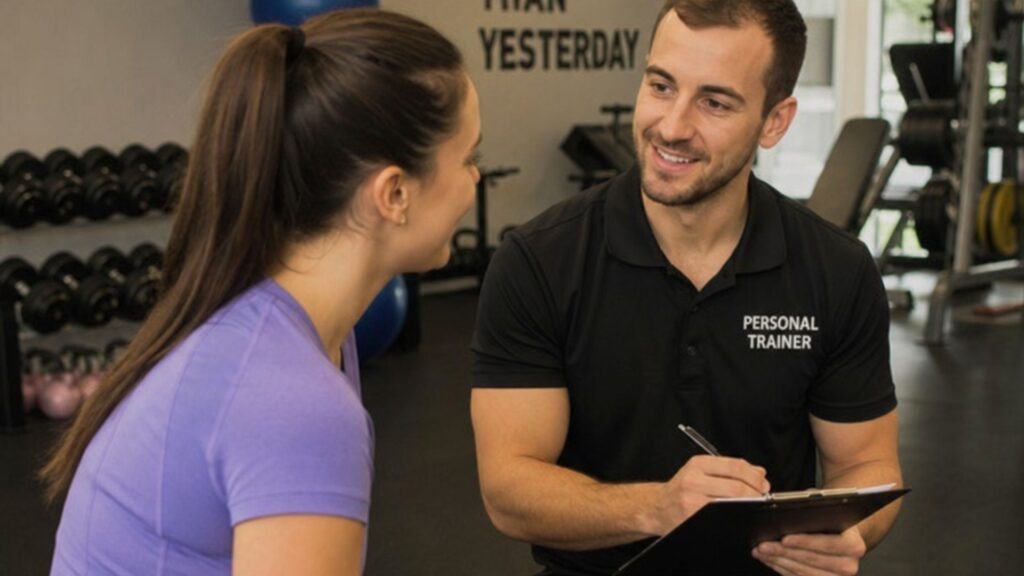
Before you meet with Franklin Personal Training, take a few minutes to think about what you want support with. You do not need perfect goals or a detailed fitness history, but a little preparation helps your trainer understand your starting point. The goal is to make your first session productive, comfortable, and focused on you.
Bring or be ready to discuss:
Your main goal, such as building strength, improving energy, losing weight, moving with less discomfort, or feeling more confident in the gym
Any injuries, limitations, medical considerations, or exercises you know you should avoid
Your current activity level, even if that means “mostly sedentary”
Your schedule and how many days per week you can realistically train
Your comfort level with strength training, cardio, stretching, and gym equipment
What has stopped you from staying consistent in the past
This is also a good time to set expectations. Fitness for beginners works best when it starts small and builds gradually. You do not need to prove anything in the first session; you only need to show up honestly and be willing to learn.
Follow these steps to start training with confidence
A beginner-friendly training experience should feel clear, progressive, and supportive. The following steps can help you begin with less uncertainty and more direction.
Share your real starting point
Be honest about your experience, energy, schedule, and concerns. If you have not exercised in years, say so. If you dislike certain workouts or feel intimidated by weights, that information helps your trainer design a better plan. Franklin Personal Training can only personalize your sessions effectively when your trainer understands what feels realistic for your body and your life.
This step also helps prevent doing too much too soon. Many beginners get discouraged because they start with workouts that are overly intense, then feel sore, overwhelmed, or inconsistent. A trainer can help you begin at the right level and progress without rushing.
Set one or two practical goals
Big goals are fine, but your early training plan should focus on clear, manageable targets. Instead of only saying “I want to get fit,” you might choose goals like learning proper squat form, completing two workouts per week, improving posture, or building enough strength for everyday tasks. These goals are easier to track and more motivating than vague pressure to transform overnight.
Your trainer may help break a larger goal into short-term milestones. This makes progress easier to recognize, especially during the first few weeks when you are still building habits. Personal trainer tips often come back to this point: consistency improves when the plan feels achievable.
Learn the basic movement patterns
Most beginner programs include foundational movements such as squatting, hinging, pushing, pulling, carrying, bracing, and stepping. These patterns show up in both workouts and daily life. Learning them well gives you a strong base before adding heavier weights, faster circuits, or more advanced exercises.
Your trainer should explain what each movement is meant to do and what you should feel while doing it. For example, a hip hinge may help you learn how to use your glutes and hamstrings instead of straining your lower back. That kind of coaching turns exercise from random effort into skill-building.
Ask for form feedback during every new exercise
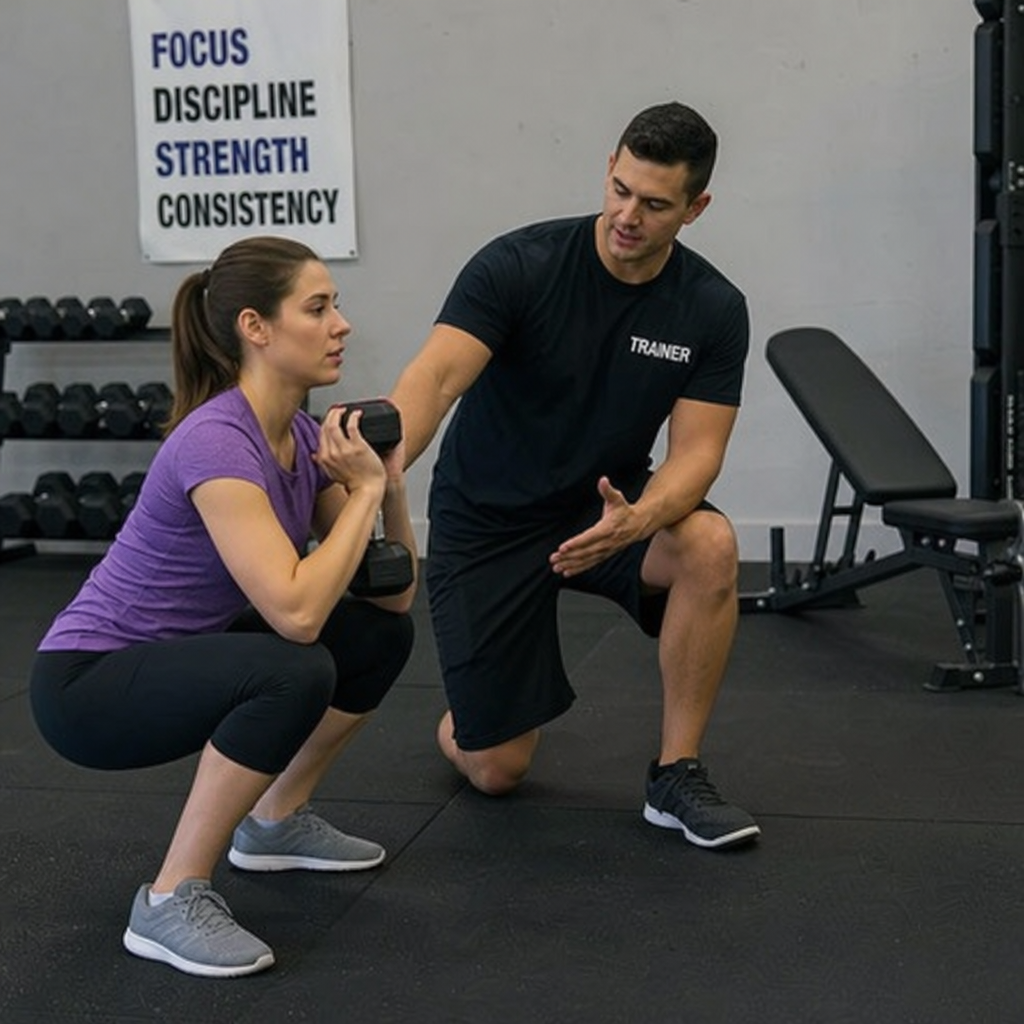
Beginners should not have to guess whether they are doing an exercise correctly. Ask your trainer what to focus on, where you should feel the movement, and what mistakes to avoid. Simple cues—such as keeping your ribs down, pressing through your heels, or relaxing your shoulders—can make an exercise safer and more effective.
Do not be embarrassed if you need reminders. Good training involves repetition. Your body is learning new patterns, and corrections are part of the process.
Start with a realistic weekly schedule
More is not always better, especially at the beginning. A realistic plan you can repeat is more useful than an aggressive schedule that leaves you exhausted. Depending on your goal and availability, your trainer may recommend a mix of coached sessions, independent workouts, walking, mobility work, or recovery days.
The best schedule is one you can maintain. If you can train twice per week consistently, that is a stronger foundation than planning five workouts and completing one. Franklin Personal Training can help you choose a rhythm that supports progress without overwhelming your routine.
Track simple signs of progress
Progress is not limited to weight on a scale. Beginners often notice early wins such as better balance, improved confidence, less hesitation around equipment, more energy, stronger form, or the ability to complete exercises with better control. Tracking these changes keeps you motivated when visible results take time.
Consider writing down a few details after each session: what you practiced, what felt easier, what felt difficult, and what question you want to ask next time. This gives you and your trainer useful feedback for adjusting the plan.
Communicate when something feels wrong
Some muscle fatigue is normal, but sharp pain, dizziness, joint discomfort, or unusual symptoms should be mentioned immediately. A trainer can modify the exercise, reduce intensity, or change the movement entirely. You are not being difficult by speaking up; you are helping your trainer coach you responsibly.
Communication also includes emotional feedback. If a workout feels too intimidating, too repetitive, or too fast-paced, say so. A beginner program should challenge you, but it should also help you feel capable enough to continue.
Build habits outside your sessions
Personal training works best when your coached sessions are supported by simple habits during the rest of the week. You do not need to overhaul your entire lifestyle at once. In fact, beginners usually do better when they focus on a few repeatable actions.
Start with habits like:
Walking or light movement on non-training days
Drinking water regularly throughout the day
Getting enough sleep to support recovery
Planning workouts on your calendar before the week begins
Eating balanced meals that help you feel energized
Stretching or doing mobility exercises recommended by your trainer
Keeping workout clothes and shoes ready so there is less friction before sessions
These habits make training feel less like an isolated event and more like part of your routine. They also help you recover, learn, and return to each session prepared.
What should you expect from a beginner-friendly trainer?
You should expect clear instruction, patience, personalization, and a plan that matches your current ability. A beginner-friendly trainer should explain why you are doing each exercise, demonstrate proper technique, and offer modifications when needed. You should leave sessions feeling challenged, but not confused or dismissed.
Look for these qualities in your training experience:
The trainer listens before prescribing exercises
Movements are demonstrated and explained in plain language
Your form is watched and corrected respectfully
Workouts progress gradually rather than randomly
Your goals, comfort level, and limitations are taken seriously
You receive guidance you can use outside the session
Franklin Personal Training can support beginners by creating a structured path instead of leaving you to figure everything out alone. That structure matters because early confidence often determines whether someone keeps going.
Avoid common beginner mistakes
Many beginners struggle not because they lack motivation, but because they try to do too much without enough guidance. Avoiding a few common mistakes can make your training experience smoother and more sustainable.
Common mistakes include:
Skipping the warm-up: Warming up helps your body prepare for movement and gives your trainer a chance to observe how you are feeling that day.
Comparing yourself to others: Your program should be based on your body, your goals, and your starting point—not someone else’s progress.
Chasing soreness: Soreness is not the main sign of a good workout. Better form, consistency, and gradual progress matter more.
Changing goals too often: Give your plan enough time to work before jumping to something completely different.
Staying silent about discomfort: Trainers can adjust exercises, but only if they know what you are experiencing.
The most useful personal trainer tips are often simple: show up consistently, ask questions, practice good form, and let progress build over time.
Keep progressing after the first month
After your first few weeks, you and your trainer can review what is working. This may include adjusting exercises, increasing resistance, adding new movements, changing session frequency, or refining your goals. Progress should feel like a steady challenge, not a sudden leap into workouts you are not ready for.
This is also a good time to talk about independence. A strong beginner program should help you understand your workouts better, not depend on blind repetition. Over time, you should become more confident reading your body, using equipment, and knowing what a productive session feels like.
FAQ
Do I need to be in shape before contacting Franklin Personal Training?
No. Personal training can be especially useful when you are starting from little or no routine. Your trainer can adjust exercises to your current ability and help you build from there.
What should I wear to my first session?
Wear comfortable workout clothing and supportive shoes. Choose clothes that let you move freely so your trainer can assess form and help you perform exercises safely.
Will the workouts be too hard for a beginner?
They should not be. A beginner workout should be challenging enough to help you improve, but not so intense that you feel overwhelmed or unsafe. If something feels too difficult, your trainer can modify it.
Can Franklin Personal Training help if I feel nervous in the gym?
Yes. A trainer can show you how to use equipment, explain what to do step by step, and help you build confidence in a structured setting.
How soon will I see progress?
Progress varies, but many beginners first notice improvements in confidence, coordination, energy, and consistency. Physical changes can take more time, which is why a realistic plan matters.
Start with support instead of guesswork
Beginning fitness does not require perfection, advanced knowledge, or extreme motivation. It requires a clear plan, patient coaching, and the willingness to take the first step. With Franklin Personal Training, beginners can learn proper form, build confidence, and create a routine that fits real life.
If you are ready to stop guessing and start training with guidance, contact Franklin Personal Training today to schedule your beginner-friendly consultation or first session.