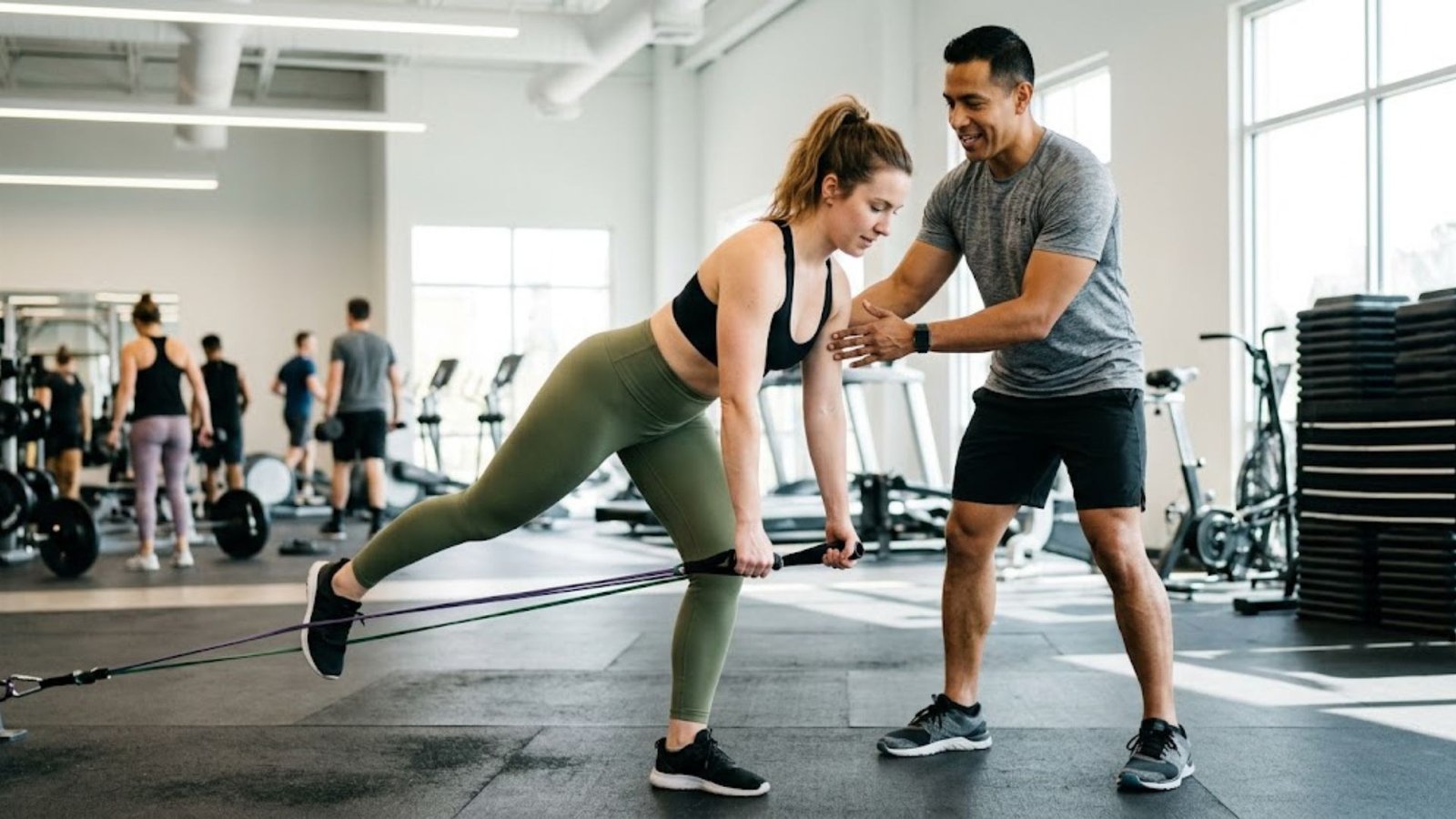
How often should beginners do strength training?

Starting a strength training routine is exciting, but it comes with a big question: how many days a week should you actually be in the gym? Too little and progress is slow. Too much and you risk soreness, burnout, and even injury.
The good news is that beginners don’t need to train every day to see results. For most people just starting out, 2 to 4 strength training sessions per week is the sweet spot. Let’s break down what that looks like and how to find the schedule that fits you.
Most beginners do best with 3 days of strength training per week, with at least one rest day between sessions. If your schedule is tight, 2 days a week is still enough to build strength and muscle when you’re new. If you feel good and want to progress, 4 days can work too.
The right number depends on your recovery, schedule, goals, and how your body responds.
Why Rest Matters as Much as Training
Many beginners assume that more training means faster results. In reality, your muscles don’t get stronger during the workout. They get stronger during recovery.
When you lift, you create small amounts of stress on your muscles. Your body repairs and rebuilds them in the hours and days afterward, making them stronger. If you train the same muscles again before they’ve recovered, you limit that process and increase your risk of overuse injuries.
As a general guide, allow roughly 48 hours before training the same muscle group hard again. This is one reason many beginner programs are built around 3 days a week with rest days in between.
Beginner Strength Training Schedules
Here are a few common ways to structure your week. Pick the one that fits your lifestyle.
Option 1: 2 Days Per Week (Full Body)
Great for very busy people or those easing in.
- Day 1: Full body workout
- Day 4: Full body workout
Option 2: 3 Days Per Week (Full Body)
The most popular beginner approach.
- Monday: Full body
- Wednesday: Full body
- Friday: Full body
Training your whole body each session lets you practice key movements often, which helps you learn proper form faster.
Option 3: 4 Days Per Week (Upper/Lower Split)
Ideal once you’ve built a few weeks of consistency and want more volume.
- Monday: Upper body
- Tuesday: Lower body
- Thursday: Upper body
- Friday: Lower body
What Should a Beginner Workout Include?
Whatever schedule you pick, build each session around the basics:
- Squat or leg press pattern for legs and glutes
- Hinge pattern such as a deadlift or hip hinge
- Push movement such as a push-up or chest press
- Pull movement such as a row or lat pulldown
- Core work such as planks or carries
Aim for 1 to 3 sets of 8 to 12 repetitions per exercise, using a weight that feels challenging by the last few reps while keeping good form. Start lighter than you think you need to. Technique comes first.
How to Know If You’re Doing Too Much
Soreness is normal when you start, but your body also sends clear signals when you’ve overdone it. Watch for:
- Soreness that doesn’t ease after several days
- Dropping strength or performance in workouts
- Constant fatigue or trouble sleeping
- Aching joints, not just tired muscles
- Loss of motivation or dread about training
If this sounds familiar, take an extra rest day, lower the volume, or reduce your weekly sessions for a short time.
How to Know If You’re Not Doing Enough
On the other side, you might be under-training if:
- Workouts feel easy every time
- You’ve done the same weights and reps for weeks
- You aren’t getting any stronger or seeing changes
In that case, try gradually adding weight, an extra rep or set, or one more training day.
Common Beginner Mistakes
- Starting with too many days. Jumping in 6 days a week often leads to burnout.
- Skipping rest days. Recovery is when progress happens.
- Changing programs constantly. Stick with one plan for several weeks so you can measure progress.
- Ignoring form. Poor technique can lead to injury and stalled results.
- Skipping warm-ups. A few minutes of light movement prepares your joints and muscles.
- Neglecting nutrition and sleep. Your results depend on what you do outside the gym too.
Tips for Building a Routine You’ll Stick To
- Start with what you can sustain. Consistency beats intensity every time.
- Schedule your workouts like appointments.
- Progress gradually by adding a little weight or reps over time.
- Include light activity on rest days such as walking or stretching.
- Track your workouts so you can see your progress.
- Get guidance. A coach or structured program can help you learn proper form and avoid guesswork.
Frequently Asked Questions
How many days a week should a beginner lift weights?
Most beginners do well with 2 to 4 days per week, with 3 days being a common and effective starting point. Make sure you have rest days between sessions.
Is 2 days of strength training a week enough for beginners?
Yes. When you’re new to lifting, even 2 full body sessions per week can improve strength, muscle, and overall fitness. You can add more days later as you adapt.
Can beginners do strength training every day?
It’s generally not recommended. Training every day doesn’t give muscles enough time to recover. If you want to be active daily, alternate strength days with light activities like walking, mobility work, or easy cardio.
Should beginners do full body workouts or split routines?
Full body workouts are usually best for beginners because they let you practice the main movements frequently and are easy to schedule. Splits like upper/lower can be a good next step.
How long should a beginner strength training workout last?
Most beginner sessions take about 30 to 60 minutes, including warm-up. Quality matters more than length.
How long does it take to see results from strength training?
Many beginners notice improved strength and energy within a few weeks. Visible changes in muscle and body composition typically take longer and depend on training consistency, nutrition, sleep, and genetics.
Should I do cardio and strength training in the same week?
Yes. Combining them supports heart health, endurance, and fat loss. Just make sure your total weekly workload still allows for good recovery.
Is it okay to train while sore?
Mild soreness is usually fine. You can train other muscle groups or do light movement. If soreness is severe or you feel sharp pain, rest and consider seeing a professional.
Note: Check with your doctor before starting a new exercise program, especially if you have a medical condition, injury, or have been inactive for a long time.
Ready to Start Strength Training the Right Way?
You don’t need to guess your way through your first weeks of lifting. With Dr. Jim Stoppani’s expert-designed programs, you get structured workouts, video instruction, and guidance that adapts as you grow stronger.
✅ 50+ expert-designed fitness plans
✅ Daily workouts with detailed video instructions
✅ Nutrition guides, meal plans, and simple recipes
✅ Supplement guides and the Jim Stoppani app
Want to learn more? Explore our Strength Training Programs or read What Are the Benefits of Strength Training? and Can Beginners Work With a Personal Trainer?