Weight Plan for Beginners: How to Start Your Fitness Journey the Right Way

Starting a fitness journey can be overwhelming, especially when it comes to creating a weight plan for beginners. With so much information available, it’s easy to feel confused about where to start or what to include. The good news? A simple, effective weight plan can set the foundation for long-term success, no matter your starting point.
What Is a Weight Plan for Beginners?
A weight plan for beginners is a structured approach to weight training designed for those who are new to strength training. It includes a balanced mix of exercises, rest days, and progression strategies to help build strength, improve muscle tone, and increase overall fitness—all without being too complicated or intimidating.
Benefits of a Weight Plan for Beginners
Builds Strength Safely: Start with manageable weights and learn proper form to avoid injuries.
Improves Confidence: As you progress, you’ll gain the confidence to lift heavier and try new exercises.
Boosts Metabolism: Lifting weights helps you burn more calories even at rest.
Supports Fat Loss: Combined with proper nutrition, weight training can help reduce body fat.
Creates a Healthy Routine: A consistent plan builds discipline and helps make fitness a part of your lifestyle.
Key Components of a Beginner-Friendly Weight Plan
To create an effective weight plan for beginners, include these essential elements:
1. Focus on Full-Body Workouts
Full-body routines are ideal for beginners because they hit all major muscle groups and require fewer training days per week.
2. Compound Movements Are Key
Compound exercises work multiple muscles at once and are perfect for building a strong foundation. Examples include:
Squats
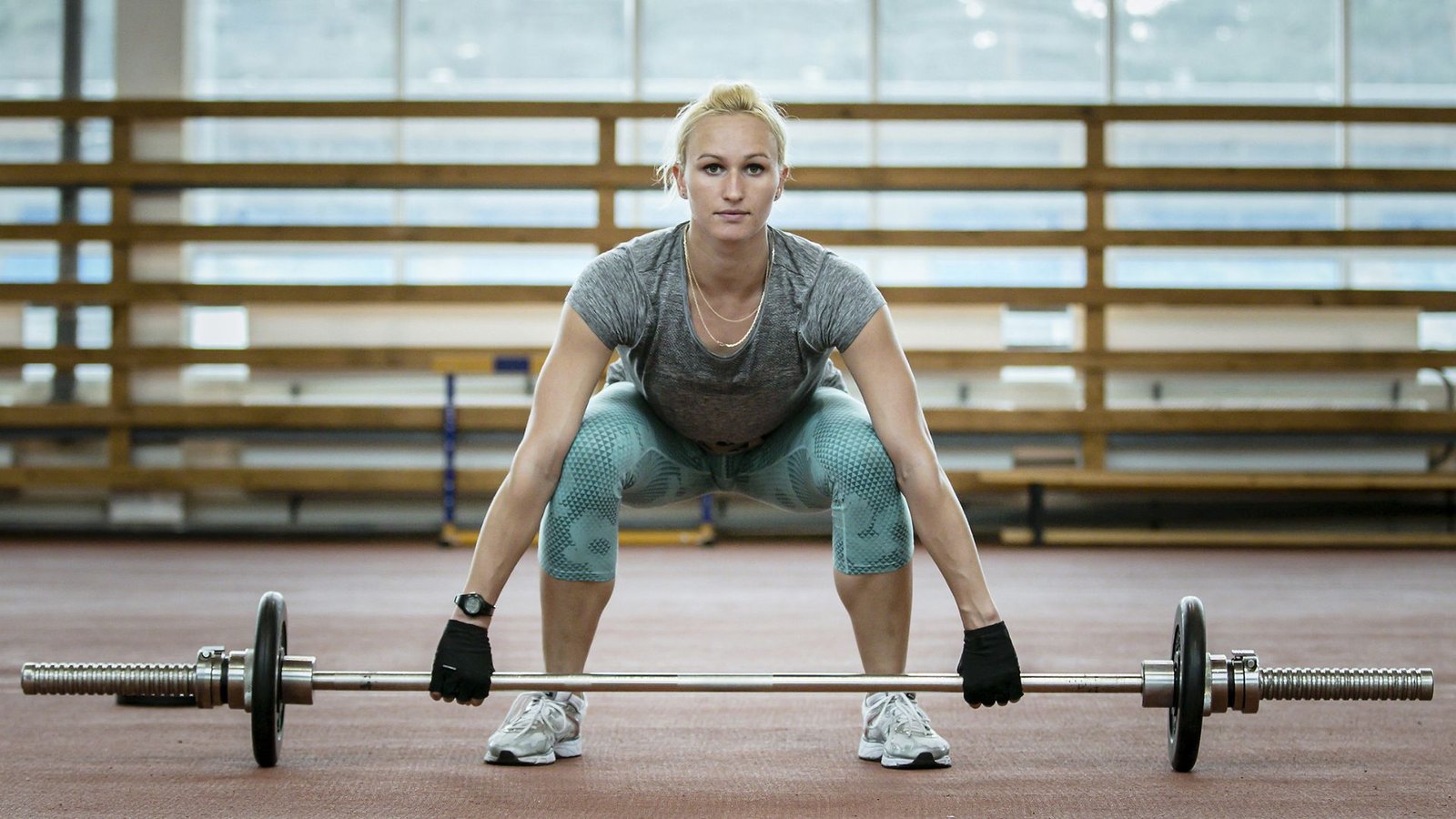
Deadlifts
Push-ups
Bent-over rows
Overhead presses
3. Start Light and Progress Gradually
Use light weights to master your form before increasing the load. Gradually add more weight or reps each week to continue making progress.
4. Schedule Rest Days
Beginner muscles need time to recover. Aim for 2–3 strength training sessions per week with at least one rest day in between.
5. Keep Workouts Short and Simple
A beginner weight plan doesn’t need to be long. 30–45 minutes per session is enough to get great results.
Sample Weight Plan for Beginners (3 Days/Week)
Day 1: Full-Body Strength
Bodyweight Squats – 3 sets of 12 reps
Push-ups (knee or full) – 3 sets of 10 reps
Dumbbell Rows – 3 sets of 10 reps
Plank – 3 rounds of 20–30 seconds
Day 2: Rest or Light Activity (Walking, Stretching)
Day 3: Full-Body Strength
Dumbbell Deadlifts – 3 sets of 12 reps
Shoulder Press – 3 sets of 10 reps
Glute Bridges – 3 sets of 15 reps
Russian Twists – 3 sets of 20 reps (10 each side)
Day 4: Rest
Day 5: Full-Body Strength
Goblet Squats – 3 sets of 10 reps
Incline Push-ups – 3 sets of 10–12 reps
Dumbbell Curls – 3 sets of 10 reps
Side Planks – 3 rounds of 20 seconds per side
Day 6–7: Rest or Light Activity
Tips for Success with a Weight Plan for Beginners
Warm Up Before You Start: Spend 5–10 minutes on light cardio and dynamic stretches.
Track Your Progress: Use a notebook or app to record your workouts and improvements.
Stay Consistent: Progress happens with time and effort—stick to the plan!
Don’t Be Afraid to Ask for Help: If you’re unsure about form, ask a trainer or look for video tutorials.
Pair With Proper Nutrition: Fuel your body with a balanced diet to support muscle growth and recovery.
Final Thoughts
A weight plan for beginners doesn’t have to be complicated. The key is starting simple, staying consistent, and focusing on steady progress. With the right approach, you’ll build strength, gain confidence, and lay the groundwork for a healthy, active lifestyle.
No matter where you’re starting from, your fitness journey begins with one step—and a beginner-friendly weight plan is the perfect place to start.