How Do Straps for Weight Training Improve Grip Strength?
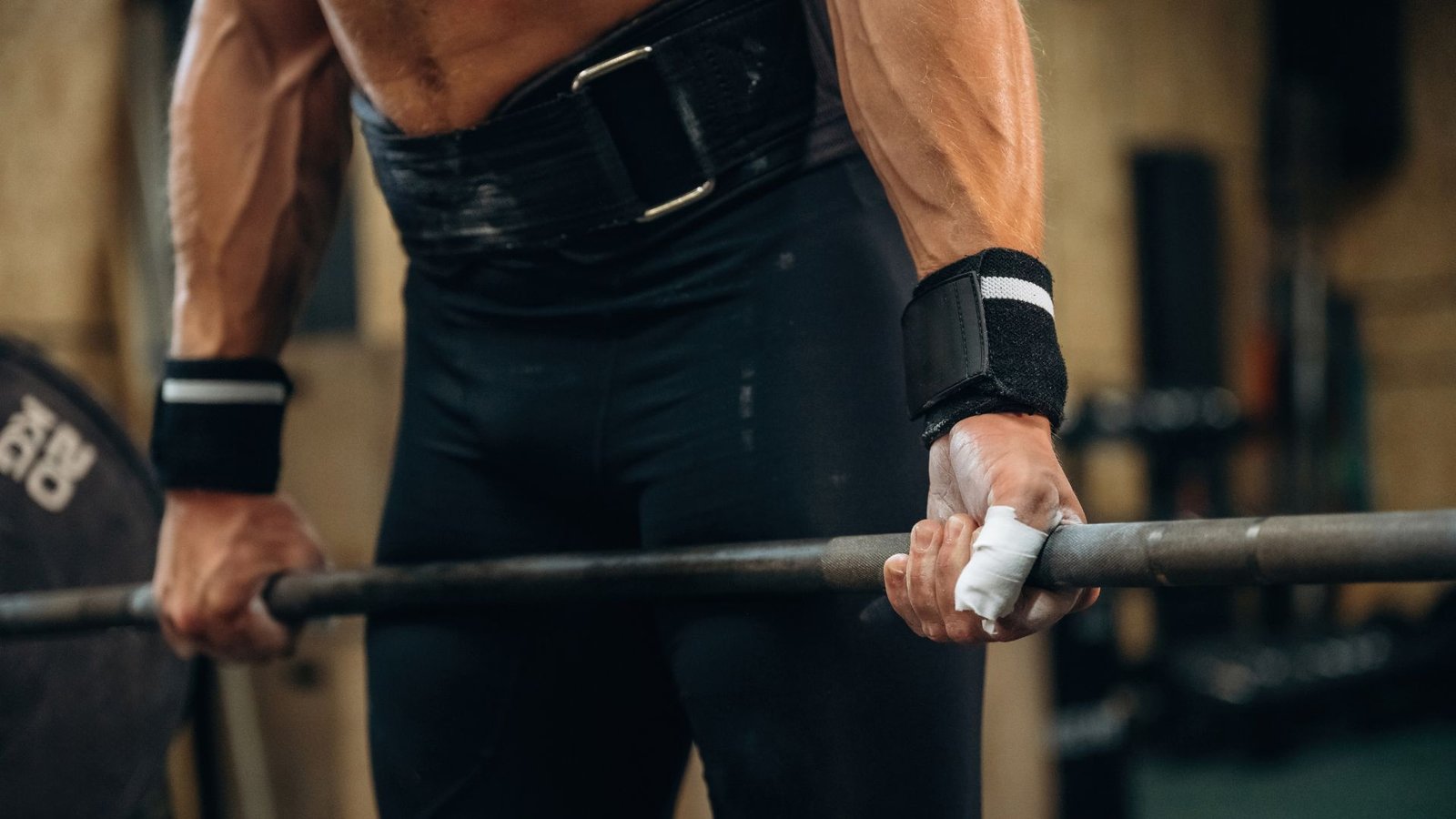
Straps for weight training are often misunderstood. Some lifters think using straps weakens grip strength, while others swear by them for heavier lifts and better muscle engagement. The truth lies somewhere in between. When used correctly, straps for weight training can actually support grip development while allowing you to train harder, lift heavier, and stimulate more muscle growth.
In this article, we’ll break down how weightlifting straps work, how they improve training quality, and how to use them without sacrificing real grip strength.
What Are Straps for Weight Training?
Straps for weight training are supportive tools made of fabric, leather, or nylon that wrap around your wrists and the barbell or dumbbell. Their main function is to reduce grip fatigue during pulling movements such as deadlifts, rows, shrugs, and pull-ups.
By assisting your grip, straps allow you to hold heavier weights for longer periods—especially when your hands are the limiting factor rather than your target muscles.
How Straps for Weight Training Help Improve Grip Strength
At first glance, it may seem counterintuitive that straps for weight training can improve grip strength. However, they play an indirect but important role.
Allowing Progressive Overload
Grip strength improves when muscles are exposed to increasing resistance over time. If your grip fails early, you may never reach the load needed to stimulate adaptation. Straps for weight training help you lift heavier weights, increasing time under tension for your forearms and hands during high-load sets.
Reducing Premature Grip Fatigue
Grip fatigue often occurs before larger muscles like the back, glutes, or hamstrings are fully trained. By using straps strategically, you prevent grip from becoming the weak link in compound lifts, allowing overall strength gains that later translate to stronger natural grip capacity.
Improving Mind-Muscle Connection
When grip is no longer the limiting factor, you can focus more on proper technique and muscle activation. This leads to better form, controlled reps, and improved neuromuscular efficiency—key contributors to long-term strength development.
When to Use Straps (and When Not To)
Straps for weight training should be used intentionally, not as a crutch.
Best times to use straps:
Heavy deadlifts and rack pulls
Barbell and dumbbell rows
Shrugs
High-volume pulling workouts
Avoid straps during:
Warm-up sets
Grip-focused exercises
Beginner strength training phases
All sets of the same exercise
A balanced approach ensures you strengthen your grip while still benefiting from heavier training loads.
Do Straps Weaken Grip Strength?
No—when used properly, straps for weight training do not weaken grip strength. Grip weakness only develops if straps are used excessively and exclusively. To avoid this, include dedicated grip work such as:
Farmer’s carries
Dead hangs
Plate pinches
Thick-bar training
This combination ensures that your grip grows alongside your overall strength.
Sample Training Program Using Straps Strategically
| Day | Focus | Strap Usage |
|---|---|---|
| Monday | Back & Deadlifts | Use straps for top sets only |
| Tuesday | Push (Chest & Shoulders) | No straps |
| Wednesday | Grip & Forearms | No straps (grip-only training) |
| Thursday | Legs | Optional for heavy RDLs |
| Friday | Upper Pull | Straps for rows and shrugs |
| Saturday | Conditioning | No straps |
| Sunday | Rest | Recovery |
This structure allows straps to enhance performance without limiting grip development.
Choosing the Right Straps for Weight Training
Different straps serve different needs:
Lifting straps with loops are ideal for beginners
Figure-8 straps provide maximum support for heavy deadlifts
Leather straps offer durability and comfort
Choose straps based on your training style, goals, and experience level.
Train Smarter, Lift Heavier, Progress Faster
Straps for weight training are not shortcuts—they are tools. When used correctly, they allow you to lift heavier, improve muscle activation, and push past plateaus without compromising grip strength. The key is balance: train grip directly, use straps strategically, and stay consistent.
Take Your Training to the Next Level
If you want to lift heavier, improve grip strength, and train with purpose, the right tools and guidance matter. Whether you’re building strength, chasing muscle growth, or breaking through plateaus, structured programming and smart equipment use can dramatically accelerate your progress.
Start training smarter today—and make every set count.