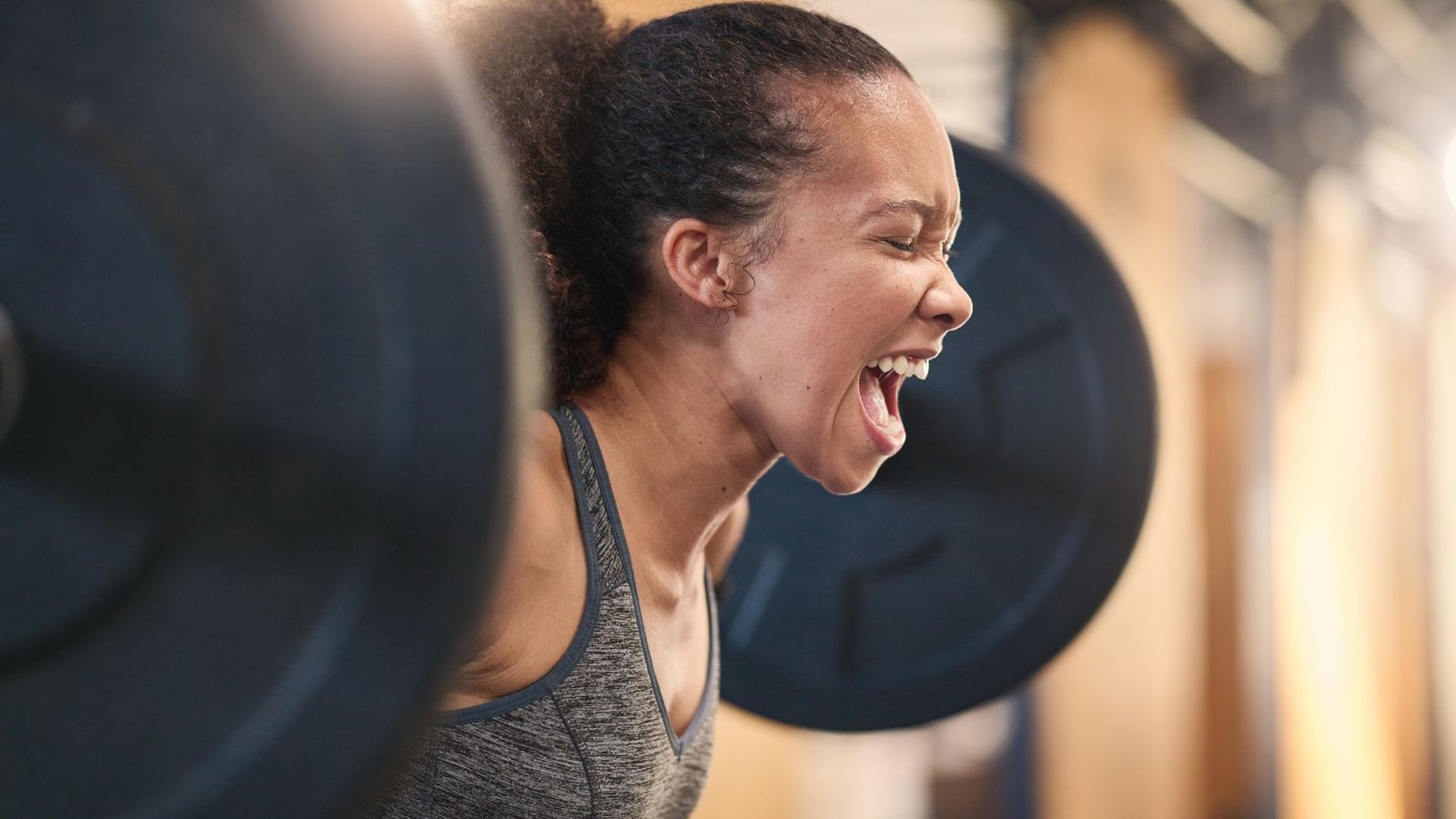
Exercise for Beginners at Home: A Simple Guide to Getting Started Safely
A strong, well-developed chest does more than improve how you look—it supports better posture, upper-body strength, and everyday movement. Whether you’re new to training or looking to improve your routine, focusing on good chest exercises can help you build muscle safely and effectively. With the right exercises and proper technique, you can develop your chest at home or in the gym while reducing the risk of injury and maximizing results.
Why Good Chest Exercises Matter
The chest muscles, primarily the pectoralis major and minor, play a major role in pushing movements. They are involved in daily tasks like lifting, carrying, and pushing objects. Including good chest exercises in your workouts helps improve functional strength while enhancing balance between your upper-body muscles.
Strong chest muscles also support shoulder stability and help prevent muscular imbalances. When paired with proper back and shoulder training, chest exercises contribute to better posture and reduced strain on the joints.
Key Principles for Effective Chest Training
Before diving into specific movements, it’s important to understand a few basics. Good chest exercises focus on controlled motion, proper form, and progressive overload. This means gradually increasing the challenge as your strength improves.
Always warm up before chest training. Light cardio and dynamic movements such as arm swings help increase blood flow and prepare the muscles. Proper form is more important than lifting heavy weights—poor technique can shift the workload away from the chest and increase injury risk.
Rest and recovery are equally important. Training your chest two to three times per week is usually sufficient for growth and strength gains.
Good Chest Exercises for All Fitness Levels
Push-Ups
Push-ups are one of the most effective and accessible chest exercises. They engage the chest, shoulders, arms, and core, making them a full upper-body movement. Beginners can start with knee or incline push-ups, while more advanced individuals can increase difficulty with decline or slow-tempo variations.
Push-ups are a foundation of good chest exercises because they teach proper pressing mechanics and require no equipment.
Bench Press Variations
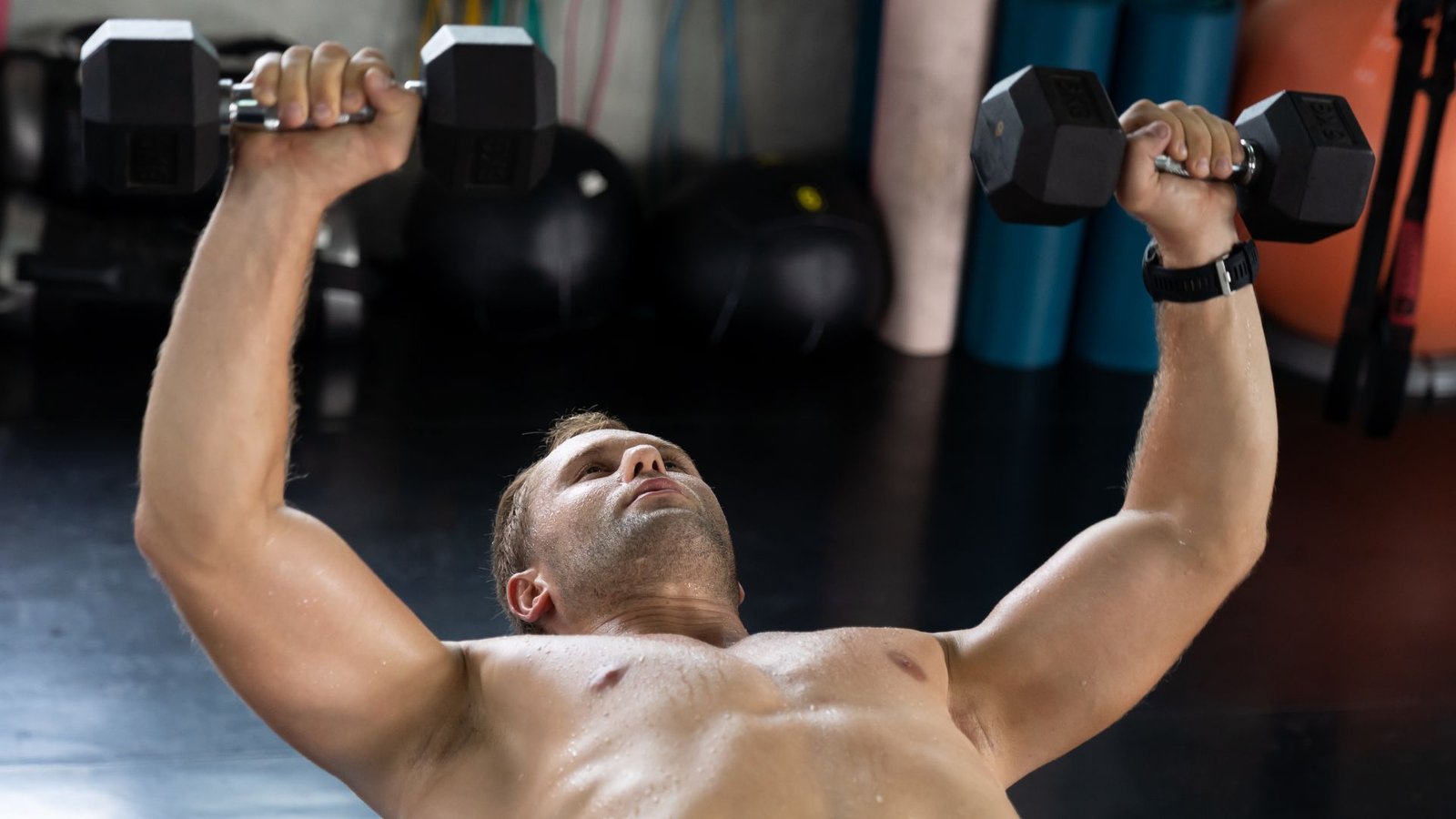
The bench press is a classic movement for chest development. Whether performed with a barbell or dumbbells, it targets the chest while also engaging the shoulders and triceps. Dumbbell bench presses allow for a greater range of motion, which can improve muscle activation and balance.
For beginners, using lighter weights and focusing on controlled reps is key to mastering this movement safely.
Chest Fly Movements
Chest fly exercises stretch and contract the chest muscles through a wide range of motion. They can be done using dumbbells, cables, or resistance bands. Fly movements are excellent for improving muscle definition and mind-muscle connection.
These are best included after pressing exercises, as they isolate the chest more directly.
Dips
Chest-focused dips are another powerful option. By leaning slightly forward during the movement, you place greater emphasis on the chest muscles. Dips require upper-body strength, so assisted versions or partial ranges of motion are great starting points for beginners.
When performed correctly, dips are among the most effective good chest exercises for building strength and size.
Structuring a Chest Workout
A balanced chest workout doesn’t need to be complicated. Choose three to four good chest exercises and perform them with intention. Start with compound movements like push-ups or bench presses, then move to isolation exercises such as chest flys.
Aim for 3–4 sets of 8–12 repetitions for most exercises. Rest between sets to maintain good form and consistent performance. As your strength improves, you can gradually increase resistance or volume.
Common Mistakes to Avoid
One of the most common mistakes is lifting too heavy too soon. This often leads to poor form and reduced chest activation. Another issue is overtraining the chest while neglecting the back, which can cause posture problems and shoulder discomfort.
Good chest exercises should always be balanced with pulling movements for overall upper-body health. Quality reps, controlled tempo, and proper recovery will always outperform rushed workouts.
Training Chest at Home vs the Gym
You don’t need a gym to perform good chest exercises. Push-ups, resistance band presses, and floor presses can effectively build chest strength at home. In the gym, access to machines and heavier weights allows for greater variety and progressive overload.
Both options can deliver results—the best choice is the one you can stay consistent with.
Take Your Chest Training to the Next Level
Good chest exercises form the foundation of a strong and balanced upper body. When performed correctly and consistently, they can improve strength, posture, and confidence. If you want a personalized chest workout plan tailored to your goals, experience level, and available equipment, now is the perfect time to take action. Contact a qualified fitness professional or explore structured training programs to start building a stronger chest with confidence.