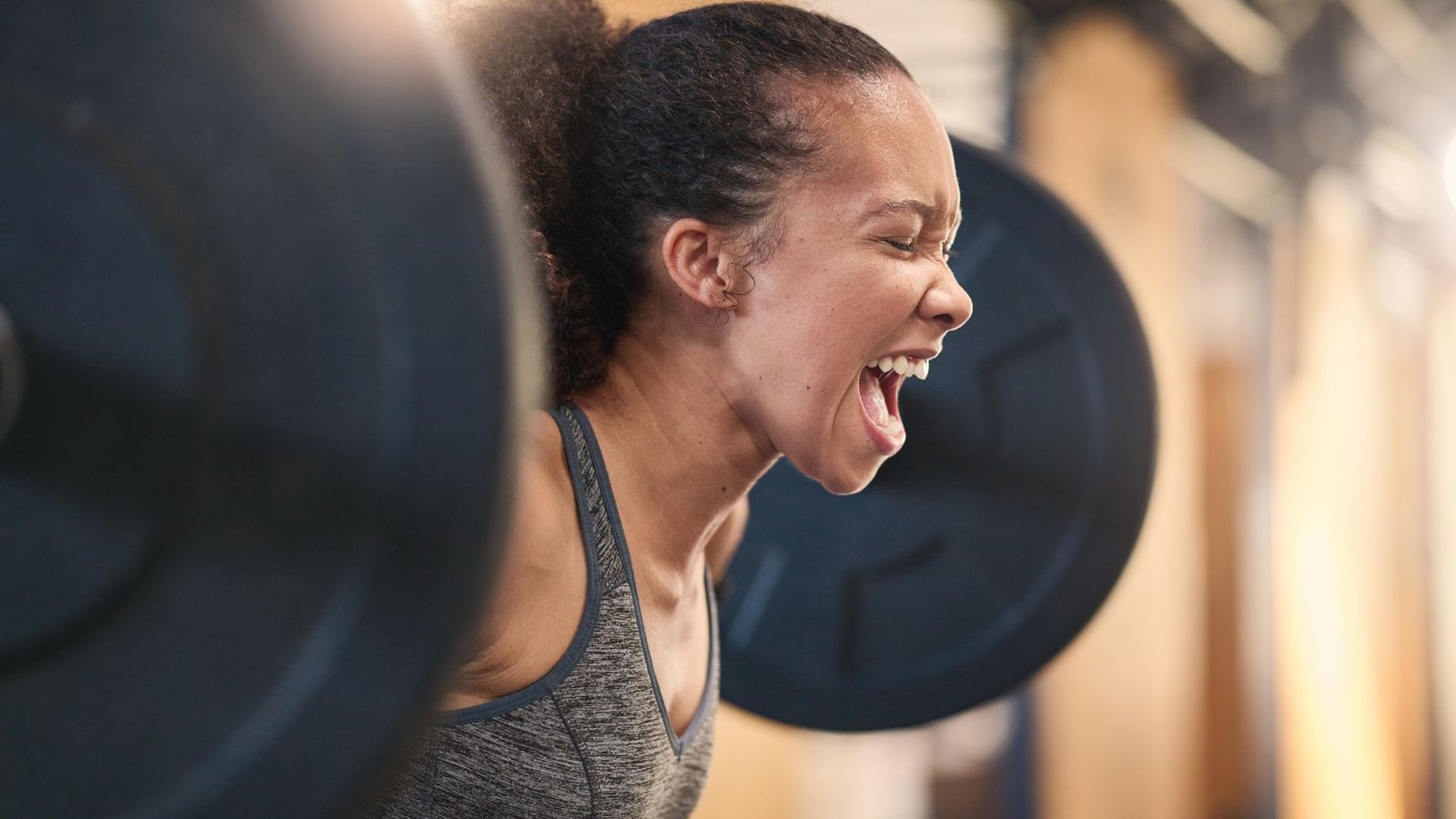
Full Body Dumbbell Exercises: Your Complete Guide to Strength, Stability, and Results
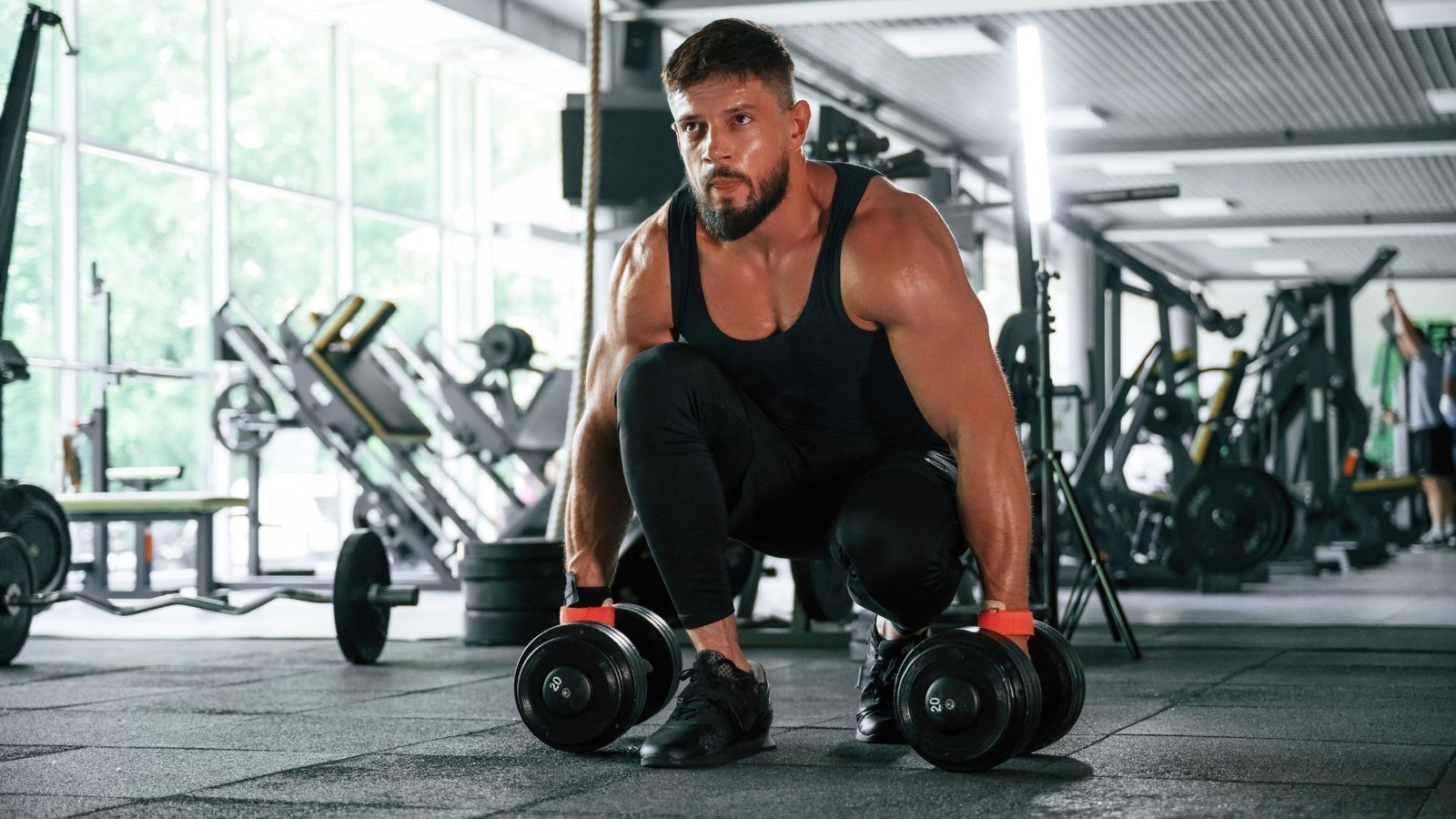
When it comes to building a strong, balanced, and healthy body, few tools are as effective—and as underrated—as a pair of dumbbells. Whether you’re working out at home, in a small gym, or squeezing in a quick session before work, full body dumbbell exercises offer a powerful, convenient way to train every major muscle group. The best part? You don’t need heavy equipment, complicated machines, or hours of time. With just one or two dumbbells, you can create a complete routine that boosts strength, burns calories, and improves mobility.
In this guide, we’ll walk through why full body dumbbell exercises are so effective, the best movements to include in your routine, and how to structure a beginner-friendly (and time-friendly) workout you can stick with.
Why Full Body Dumbbell Exercises Work So Well
Full body dumbbell exercises bring versatility, efficiency, and intensity into one simple approach. Unlike machines that lock you into fixed positions, dumbbells allow your body to move naturally, engaging stabilizing muscles that often get overlooked. This means better muscle balance, improved coordination, and increased functional strength.
Training your full body in a single session also helps you make the most of your time. Instead of splitting workouts into isolated days—legs one day, chest another—full body workouts activate multiple muscle groups at once, creating a bigger calorie burn and faster progress.
You also get a huge benefit in flexibility: you can choose lighter weights for endurance, heavier dumbbells for strength, or moderate weights for a balance of both. This makes full body dumbbell exercises accessible to beginners while still challenging enough for advanced lifters.
Top Full Body Dumbbell Exercises to Include in Your Workouts
Below are some of the most effective full body dumbbell exercises you can add to your routine. These movements target your upper body, lower body, and core—all in one session.
1. Dumbbell Squat Press (Thrusters)
This exercise combines a squat with an overhead press, working your legs, shoulders, back, and core. It’s perfect for building strength while elevating your heart rate.
2. Dumbbell Deadlifts
A staple movement, dumbbell deadlifts strengthen your hamstrings, glutes, lower back, and grip. The dumbbells allow for a greater range of motion, making them excellent for building functional strength.
3. Dumbbell Bent-Over Rows
This exercise targets the upper back, lats, rear shoulders, and arms. It’s ideal for improving posture and balancing upper-body strength.
4. Dumbbell Chest Press (Floor or Bench)
If you don’t have a bench, the floor version works just as well. This movement targets the chest, triceps, and shoulders while providing great muscle activation.
5. Dumbbell Reverse Lunges
Reverse lunges are easier on the knees and fantastic for strengthening the quads, glutes, and stabilizers. Adding dumbbells increases intensity and improves balance.
6. Dumbbell Russian Twists
This core-focused movement helps strengthen your obliques and improves rotational strength. It’s a great addition to full body dumbbell exercises when your goal is a stronger midsection.
7. Dumbbell Farmer’s Carry
Simple but powerful. Holding dumbbells at your sides while walking improves your grip strength, core stability, and shoulder health.
Sample Full Body Dumbbell Workout
Here’s a beginner-friendly, balanced routine you can follow 3 days per week. Feel free to adjust the weights based on your comfort level.
Warm-up (3–5 minutes):
Light cardio + mobility (arm circles, leg swings, bodyweight squats)
Main Workout (3 Rounds)
Dumbbell Squat Press – 12 reps
Dumbbell Bent-Over Rows – 12 reps
Dumbbell Reverse Lunges – 10 reps per leg
Dumbbell Chest Press – 12 reps
Dumbbell Deadlifts – 15 reps
Dumbbell Russian Twists – 20 reps (total)
Optional Finisher:
Farmer’s Carry — 30 seconds
This routine engages large and small muscle groups, increases calorie burn, and improves total-body strength—all the benefits you expect from high-quality full body dumbbell exercises.
Tips for Getting the Most Out of Your Training
Start Light, Progress Gradually
Your goal is to master the technique first. When the reps feel easier, increase your weight by small increments.
Focus on Form Over Speed
Controlled reps ensure better muscle activation and significantly lower the risk of injury.
Train Consistently
Even 20–30 minutes, three times a week, can create noticeable results when you’re dedicated.
Listen to Your Body
Some soreness is normal, but sharp pain is not. Adjust movements based on your comfort and mobility.
Ready to take your fitness to the next level?
Start incorporating these full body dumbbell exercises into your weekly routine and feel the difference in your strength, energy, and confidence. If you want personalized guidance or a customized workout plan tailored to your goals, reach out today and take the first step toward a stronger you.