how to lose fat and gain muscle?

Eat less to lose weight, but eat more to build muscle. Which is it? This confusing advice makes it seem impossible to do both at once, but research shows your body can. This process, called body recomposition, is the real answer for how to lose fat and gain muscle.
Think of it like a home renovation: tearing down old walls (fat) while building new supports (muscle). This process is the key to fixing the “skinny fat” look.
Your Two-Part Nutrition Rule: How to Eat for Fat Loss Without Losing Muscle
The single most important factor for losing fat is a calorie deficit—consistently burning more calories than you eat. Think of it like a financial budget: to lower your balance, you must spend more than you earn. This is the non-negotiable starting point for fat loss.
But here’s the catch: in a deficit, your body might burn precious muscle for energy, not just fat. This is where a high protein diet becomes your secret weapon. Protein acts as a “muscle shield,” telling your body to preserve it. It also has a second superpower: it keeps you feeling fuller for longer, making it much easier to stick to your calorie budget.
A simple goal is to include a palm-sized portion of a protein source with every meal. Try one of these simple swaps:
Breakfast: Instead of cereal, try Greek yogurt with berries.
Lunch: Instead of a plain bagel, have two or three scrambled eggs.
Snack: Instead of chips, grab a handful of almonds or a cheese stick.
How to Tell Your Body to Build Muscle, Not Burn It
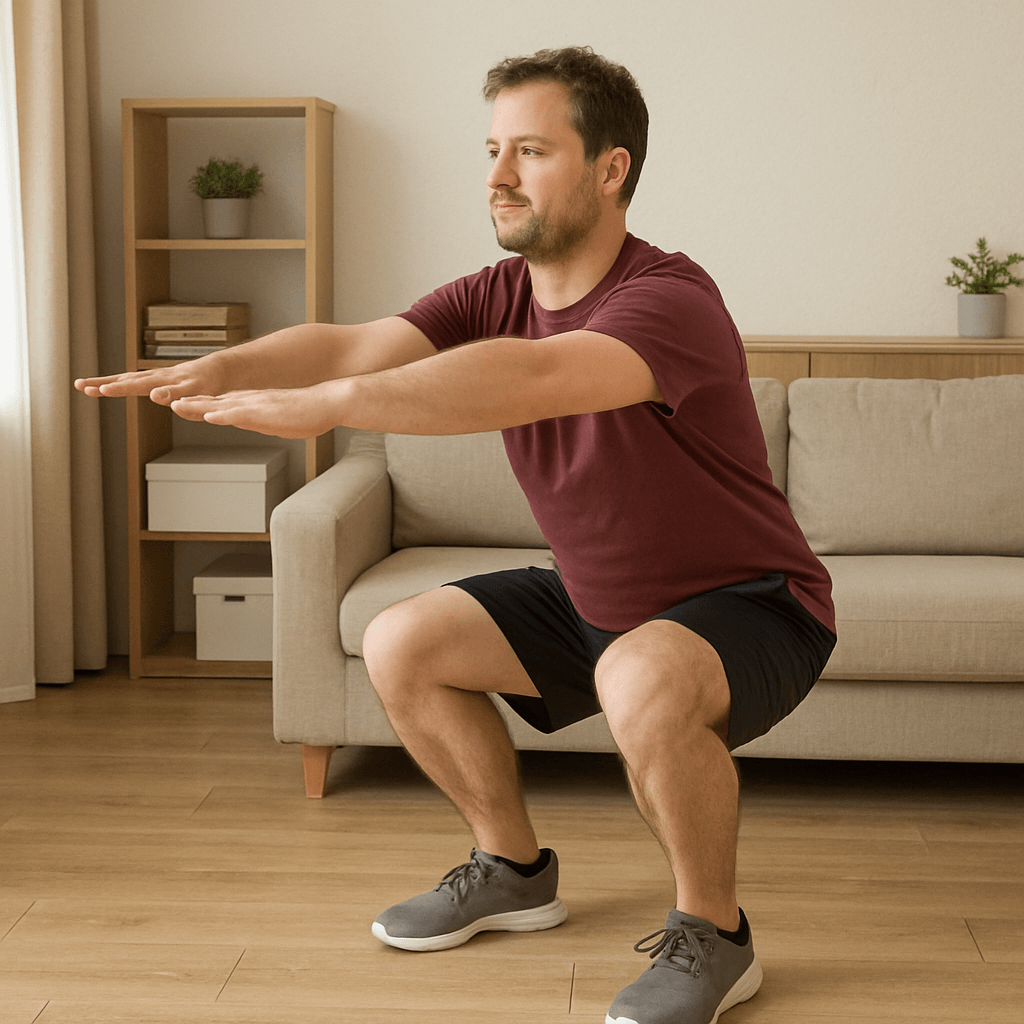
Eating enough protein provides the building blocks, but your body needs a direct order to start construction. That order comes from resistance training. By challenging your muscles with exercises like squats or push-ups, you send an unmistakable signal: “Don’t just burn fuel; use that protein to get stronger right here!” This turns your workout from simply burning calories into a targeted instruction for muscle growth.
The secret to making this effective is a simple but powerful idea called progressive overload. It just means that over time, you need to make your workouts a little bit harder. If you can do 8 squats this week, your goal for next week might be to do 9 or 10. Without this slight, gradual increase in challenge, your body has no reason to adapt and build new muscle.
You don’t need a complicated routine to begin. Focus on big, efficient exercises that work multiple parts of your body at once—like squats, push-ups (doing them on your knees is a great start), and rows with a resistance band. Your goal isn’t total exhaustion; it’s simply to get a little bit stronger than you were last time.
Your Simple 3-Step Plan to Start This Week
You now have a clear, science-backed blueprint for body recomposition. Start with this simple plan:
Eat a little less, focusing on whole foods.
Include a protein source (like chicken, eggs, or lentils) in every meal.
Strength train 2-3 times per week, focusing on getting a little stronger each session.
As you begin, measure success beyond the number on the scale. Ask yourself: Are my clothes fitting better? Do I feel more energetic? Each “yes” is proof that you’re succeeding. You’re not just losing weight—you’re building a stronger, more capable body for the future.