Exercise for Beginners at Home: A Simple Guide to Getting Started Safely
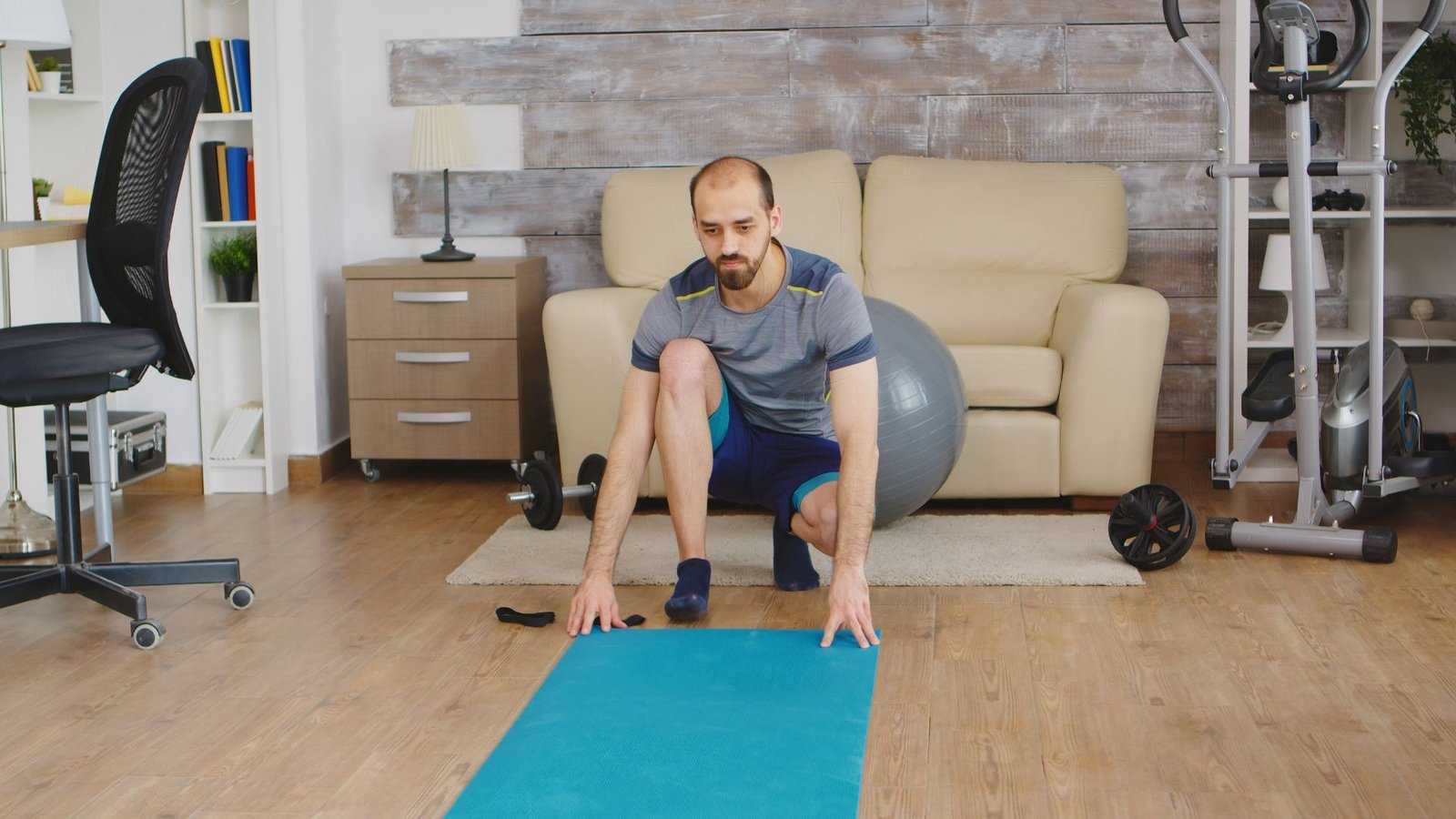
Starting a fitness routine can feel overwhelming, especially if you’re new to exercise or returning after a long break. The good news is that you don’t need a gym membership, fancy equipment, or hours of free time to begin. Exercise for beginners at home is one of the most effective and realistic ways to build healthy habits, improve strength, and boost energy levels. With the right approach, you can start moving confidently, safely, and consistently—right from your living room.
Why Exercise for Beginners at Home Works
For beginners, exercising at home removes many common barriers. There’s no travel time, no pressure from crowded gyms, and no need to compare yourself to others. You can move at your own pace and focus on learning proper form without distractions.
Exercise for beginners at home also helps build consistency. Short, manageable workouts are easier to stick with, and consistency is far more important than intensity when you’re just starting out. Over time, these small efforts add up to real results, including better mobility, improved cardiovascular health, and increased confidence.
Key Principles for Beginners Before You Start
Before jumping into exercises, it’s important to set realistic expectations. As a beginner, your goal is not perfection or exhaustion—it’s progress.
Start slow and listen to your body. Mild muscle soreness is normal, but sharp pain is not. Focus on proper movement rather than speed or reps. Rest days are just as important as workout days, allowing your body to recover and adapt.
Warming up is essential for exercise for beginners at home. A few minutes of gentle movement, such as marching in place or arm circles, helps prepare your muscles and joints. Cooling down afterward with light stretching can reduce stiffness and improve flexibility.
Best Types of Exercise for Beginners at Home
Bodyweight Exercises
Bodyweight movements are ideal for beginners because they use your own weight as resistance and are easy to modify. Exercises such as squats, wall push-ups, glute bridges, and seated leg lifts help strengthen major muscle groups without putting too much stress on your joints.
These exercises build a solid foundation and teach you how to control your body, which is crucial for long-term progress.
Low-Impact Cardio
Cardiovascular exercise improves heart health and endurance. For beginners at home, low-impact options are best. Marching in place, stepping side to side, or gentle dance-based movements can elevate your heart rate without excessive strain.
You don’t need long sessions. Even 10–15 minutes of cardio a few times a week can make a noticeable difference in energy levels and stamina.
Core and Stability Work
Core strength supports posture, balance, and everyday movements. Simple exercises such as seated knee lifts, standing torso twists, or lying leg raises are beginner-friendly and effective.
Including core-focused movements in your exercise for beginners at home routine helps reduce the risk of injury and improves overall body control.
Sample Beginner Home Workout Structure
A simple and effective workout doesn’t need to be complicated. Here’s a structure you can follow:
Start with a 5-minute warm-up using gentle movements.
Perform 5–6 basic exercises, such as squats, wall push-ups, standing marches, glute bridges, and arm raises.
Do each exercise for 30–45 seconds, resting as needed.
Repeat the circuit once or twice, depending on your comfort level.
Finish with light stretching for 5 minutes.
This type of routine takes around 20–30 minutes and is perfect for exercise for beginners at home.
How Often Should Beginners Exercise at Home?
For most beginners, exercising 3–4 times per week is a great starting point. This provides enough stimulus for improvement while allowing time for recovery.
As your fitness improves, you can gradually increase the duration or frequency of your workouts. The key is to progress slowly and sustainably, rather than pushing too hard too soon.
Staying Motivated as a Beginner
Motivation often comes after action, not before it. Set small, achievable goals such as completing three workouts in a week or moving for 10 minutes a day. Celebrate these wins—they matter.
Creating a routine helps make exercise a habit. Choose a consistent time of day and a comfortable space at home. Remember, exercise for beginners at home is about building a lifestyle, not chasing quick fixes.
Common Mistakes to Avoid
Many beginners try to do too much too quickly. This can lead to burnout or injury. Avoid comparing yourself to advanced routines you see online. Your journey is unique, and progress looks different for everyone.
Skipping warm-ups, neglecting rest days, and ignoring proper form are also common mistakes. Focusing on quality movement will always deliver better results than rushing through workouts.
Start Your Home Fitness Journey Today
Exercise for beginners at home is one of the most empowering steps you can take toward better health and confidence. You don’t need perfect conditions—just a willingness to start. If you’re ready to build a simple, effective routine tailored to your goals and ability level, now is the time to take action. Contact a qualified fitness professional or explore guided beginner programs to get the support and structure you need to stay consistent and see lasting results.