Workout Plans: How to Build a Routine That Works for You
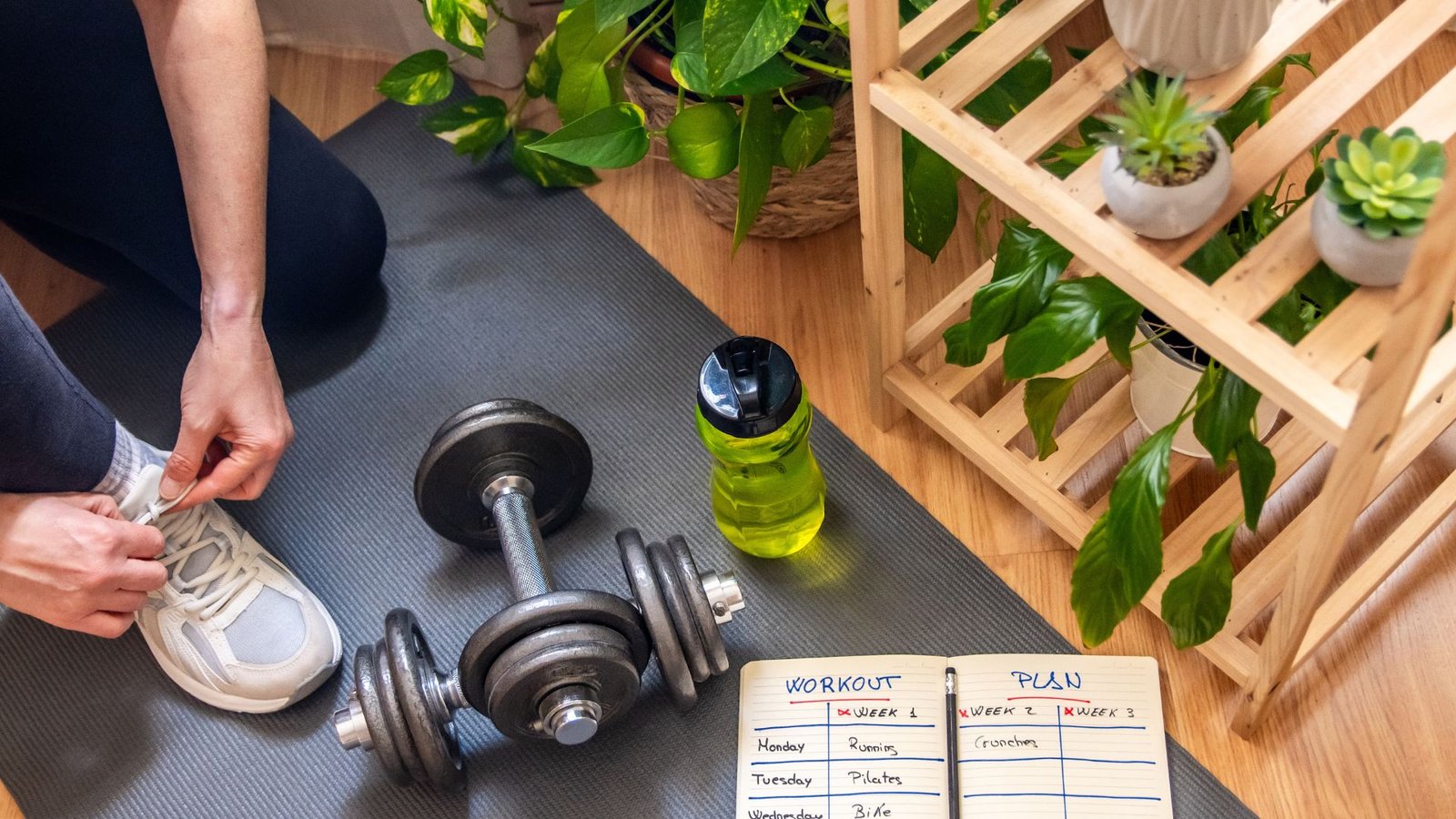
Starting a fitness journey can feel overwhelming — from choosing the right exercises to figuring out how often to train. With so much information online, it’s easy to feel lost before you even begin. That’s where workout plans come in.
A well-structured workout plan gives you direction, consistency, and motivation. It eliminates guesswork, helps you stay accountable, and ensures that every minute you spend working out counts toward your goals.
Whether you’re a beginner trying to get started, or someone returning to exercise after a break, having the right plan can make all the difference. Let’s explore how to create and follow a workout plan that fits your lifestyle and keeps you progressing over time.
What Is a Workout Plan and Why Do You Need One?
A workout plan is a structured schedule of exercises designed to help you achieve a specific goal — whether that’s losing weight, building muscle, improving endurance, or simply staying healthy. It organizes your workouts into manageable sessions so that you can focus on progress, not confusion.
Without a plan, you might work out inconsistently or target the same muscles repeatedly, leading to slower results or even injury. Having a plan gives you purpose and balance — it ensures your entire body gets stronger, not just one part of it.
The Core Elements of a Great Workout Plan
No matter your experience level, effective workout plans share a few essential elements:
1. Clear Goals
Ask yourself what you want to achieve. Do you want to lose weight? Build strength? Improve endurance? Your goals determine everything — from the exercises you do to how often you train.
2. Balanced Training
A good plan targets all major muscle groups throughout the week. This prevents overtraining one area and ensures better overall fitness.
For example:
Upper body: Push-ups, pull-ups, shoulder presses
Lower body: Squats, lunges, deadlifts
Core: Planks, leg raises, mountain climbers
Cardio: Running, cycling, or high-intensity intervals
3. Progressive Overload
Progress comes from challenging your body gradually. That might mean adding more weight, doing extra reps, or slightly increasing workout duration over time.
4. Rest and Recovery
Rest is part of training. Muscles need recovery to rebuild and grow stronger. Include at least one or two rest days in your weekly workout plan.
Types of Workout Plans
Different people have different goals, which means there’s no one-size-fits-all approach. Here are a few types of workout plans that can help you find your best fit:
1. Beginner Workout Plan
If you’re new to exercise, start with 3–4 days per week of full-body workouts. Focus on learning proper form and building consistency.
Example:
Monday: Full-body strength (squats, push-ups, planks)
Wednesday: Cardio (brisk walk or light jog)
Friday: Full-body strength
Sunday: Stretching or yoga
2. Strength Training Plan
For those looking to build muscle, a strength-based plan focuses on resistance training with progressive overload.
Example:
Monday: Upper body (chest, shoulders, triceps)
Tuesday: Lower body (legs, glutes)
Thursday: Core and cardio
Saturday: Full-body strength
3. Fat-Loss Plan
To lose weight, combine strength and cardio sessions. Resistance training preserves muscle mass while cardio boosts calorie burn.
Example:
Monday: Strength training
Tuesday: HIIT cardio
Thursday: Strength training
Saturday: Long walk or cycling
4. Home Workout Plan
No gym? No problem. Bodyweight routines can still deliver excellent results.
Example:
15 squats
10 push-ups
20 lunges (10 per leg)
30-second plank
45 seconds jumping jacks
Repeat this circuit 3 times, resting as needed.
Common Mistakes to Avoid in Workout Plans
Even the best workout plans won’t work if you fall into these traps:
Skipping warm-ups or cool-downs: These prevent injuries and aid recovery.
Ignoring nutrition: Your workouts are only as effective as your fuel.
Overtraining: Rest is vital; more isn’t always better.
Inconsistency: A good plan only works if you stick to it.
Remember, progress is a combination of effort, patience, and discipline.
How to Stay Motivated
It’s normal to lose motivation, especially when results take time. Here’s how to stay on track:
Set small, achievable goals each week.
Track your progress (photos, notes, or fitness apps).
Celebrate milestones, no matter how small.
Remind yourself why you started.
Motivation may fade, but discipline keeps you moving forward.
Final Thoughts
There’s no magic formula — only commitment and consistency. The right workout plan isn’t the one that’s the hardest or most complicated. It’s the one that fits your lifestyle, keeps you consistent, and makes you feel good.
You don’t need fancy equipment or hours each day. You just need a structured plan, a bit of patience, and the belief that you can do it. Over time, small daily efforts lead to big transformations.
Ready to take the first step toward your fitness goals?
Start with a simple, personalized workout plan that matches your goals and schedule. Whether you want to lose weight, gain strength, or just feel more confident in your body — consistency is key.
If you’re not sure where to start, reach out today for expert guidance and a custom workout plan designed just for you. Let’s build a stronger, healthier version of you — one workout at a time.